×
- Hello
- Login or Register
- Quick Links
- Live Chat
- Track Order
- Parts Availability
- RMA
- Help Center
- Contact Us
- Shop for
- BMW Parts
- BMW Accessories

My Garage
My Account
Cart
Genuine 1974 BMW 2002 Fuel Pump
Gas Pump- Select Vehicle by Model
- Select Vehicle by VIN
Select Vehicle by Model
orSeries
Model
Year
Select Vehicle by VIN
For the most accurate results, select vehicle by your VIN (Vehicle Identification Number).
5 Fuel Pumps found
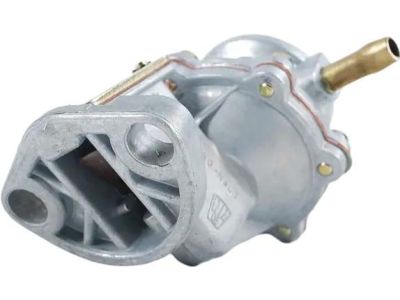
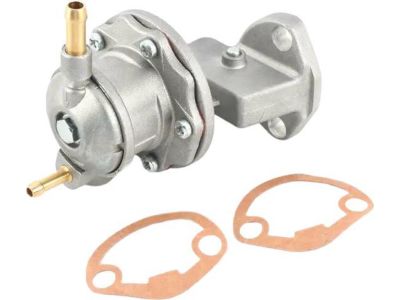
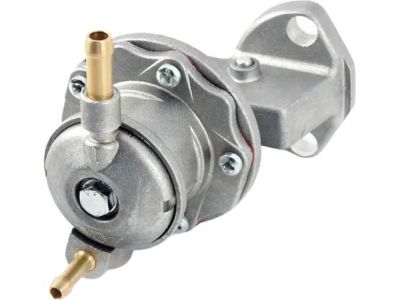
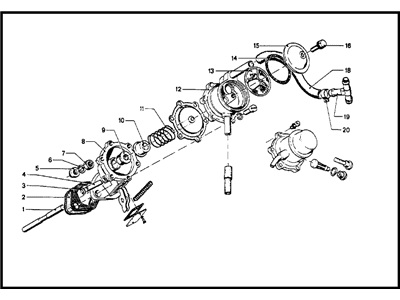
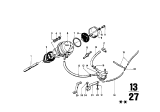
1974 BMW 2002 Fuel Pump
Part Number: 13311252506$185.98 MSRP: $222.37You Save: $36.39 (17%)Ships in 1-3 Business DaysProduct Specifications- Item Weight: 4.70 Pounds
- Condition: New
- Fitment Type: Direct Replacement
- SKU: 13311252506
- Warranty: This genuine part is guaranteed by BMW's factory warranty.
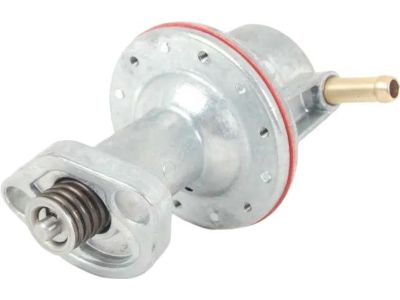
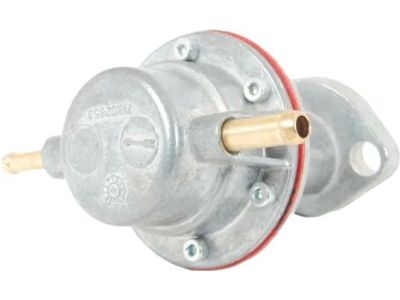
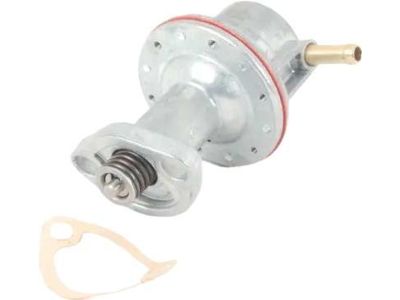
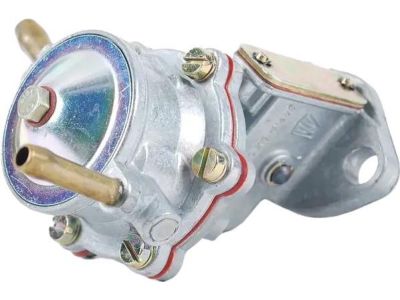
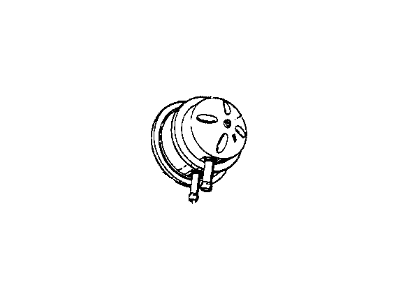
1974 BMW 2002 Fuel Pump
Part Number: 13311257784$185.98 MSRP: $222.37You Save: $36.39 (17%)Ships in 1-3 Business DaysProduct Specifications- Replaces: 13-31-1-261-622, 13-31-1-252-586, 13-31-1-265-192
- Item Weight: 4.70 Pounds
- Condition: New
- Fitment Type: Direct Replacement
- SKU: 13311257784
- Warranty: This genuine part is guaranteed by BMW's factory warranty.
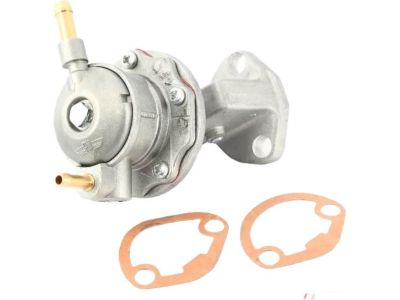
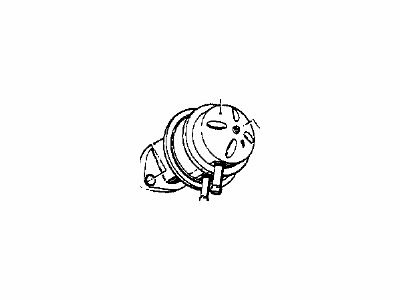
1974 BMW 2002 Fuel Pump
Part Number: 13311265193$185.98 MSRP: $222.37You Save: $36.39 (17%)Ships in 1-3 Business DaysProduct Specifications- Item Weight: 4.80 Pounds
- Condition: New
- Fitment Type: Direct Replacement
- SKU: 13311265193
- Warranty: This genuine part is guaranteed by BMW's factory warranty.
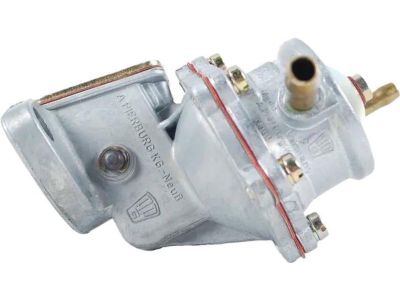
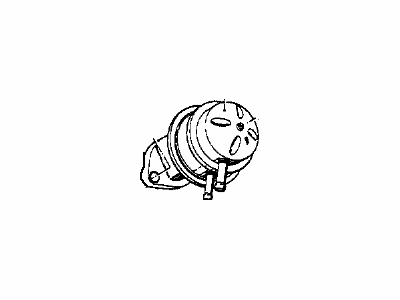
1974 BMW 2002 Fuel Pump
Part Number: 13311265192$185.98 MSRP: $222.37You Save: $36.39 (17%)Ships in 1-3 Business DaysProduct Specifications- Replaced by: 13311257784
- Item Weight: 4.60 Pounds
- Condition: New
- Fitment Type: Direct Replacement
- SKU: 13311265192
- Warranty: This genuine part is guaranteed by BMW's factory warranty.
1974 BMW 2002 Fuel Pump
Part Number: 13311261622$185.98 MSRP: $222.37You Save: $36.39 (17%)Ships in 1-3 Business DaysProduct Specifications- Replaced by: 13311257784
- Item Weight: 5.00 Pounds
- Condition: New
- Fitment Type: Direct Replacement
- SKU: 13311261622
- Warranty: This genuine part is guaranteed by BMW's factory warranty.
1974 BMW 2002 Fuel Pump
Are you in need of a high-quality yet affordable OEM 1974 BMW 2002 Fuel Pump? Look no further. Our website boasts an extensive selection of genuine 1974 BMW 2002 Fuel Pump, all priced competitively. Plus, our top-notch customer service and speedy delivery options ensure a seamless shopping experience for you.
1974 BMW 2002 Fuel Pump Parts Questions & Experts Answers
- Q:How to overhaul a fuel pump on 1974 BMW 2002?Posted by Senqi J.A:Pull out the fuel outlet hose from the pump, then either disconnect the high tension (HT) feed from the coil or the lead wire to the distributor's low tension (LT) terminal. This stops the engine from starting when you turn the ignition key to crank the starter. Look at the pump's outlet nozzle; good, clear streams of fuel should spray out. The pump must be fixed if the fuel flow doesn't start within three minutes, or when the cover and hose attached to it are secure. Both hoses should be unplugged. Take off the bolts holding the pump in place. Take off the thick spacer, both thin plastic seals, and then pull out the operating rod. Run your fingernail along the edges of the pump's two metal plates before you put it back together. First free the cover by loosening the central bolt, removing it and its associated gasket. Pull out the bolts on each flange side and split the pump into two parts. To replace the diaphragm and rod, follow these steps: undo the small cover plate to see the part, then release the tiny clip circling the pivot pin of the operating arm, take out the pin. Take out the arm and diaphragm/spring group. Switch out damaged parts: those found on 2002 sized pumps may replace individual valve components, but smaller capacity ones require new complete units to compensate for valve failures. You put the pump together by tightening the screws around the flange just as the operating arm rests at its lowest point. Match up the upper and lower body scratch marks again to make sure they match. Also check that the diaphragm is straight. Put on new gasket and washer under center bolt for the pump cover. Reinstall everything the same way you took it apart, but replace the thin gaskets next to the flange insulator again. Keep these gaskets at the original thickness to let the rod and arm work properly.Answered by BMW Parts Specialist Brandon / Nov 19, 2024
Related 1974 BMW 2002 Parts
 1974 BMW 2002 Fuel Tank
 1974 BMW 2002 Throttle Body Gasket
 1974 BMW 2002 Fuel Rail
 1974 BMW 2002 Throttle Cable