×
- Hello
- Login or Register
- Quick Links
- Live Chat
- Track Order
- Parts Availability
- RMA
- Help Center
- Contact Us
- Shop for
- BMW Parts
- BMW Accessories

My Garage
My Account
Cart
Genuine BMW 325i Engine Mount
Engine Motor Mount- Select Vehicle by Model
- Select Vehicle by VIN
Select Vehicle by Model
orSeries
Model
Year
Select Vehicle by VIN
For the most accurate results, select vehicle by your VIN (Vehicle Identification Number).
15 Engine Mounts found
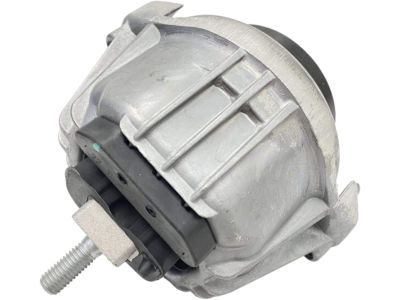
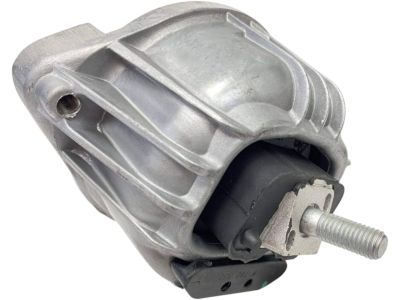
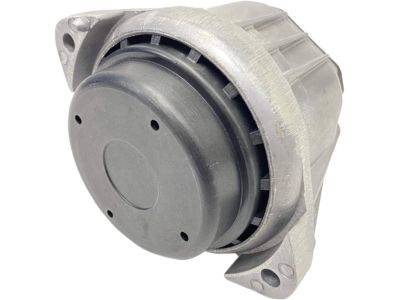
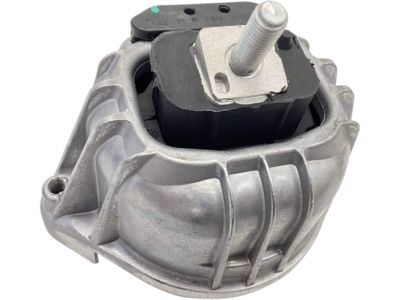
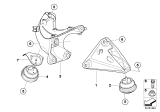
BMW 325i Engine Mount
Part Number: 22116760330$129.10 MSRP: $176.76You Save: $47.66 (27%)Ships in 1-3 Business Days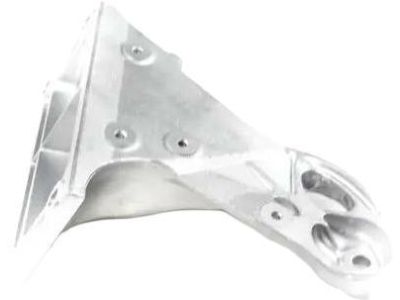
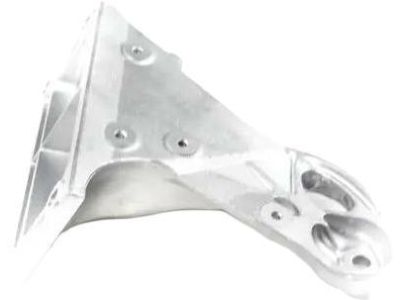
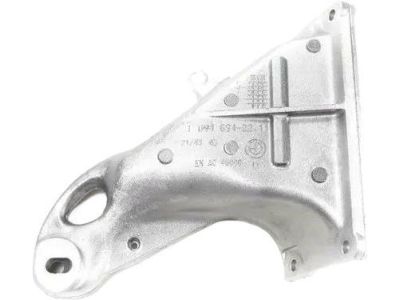
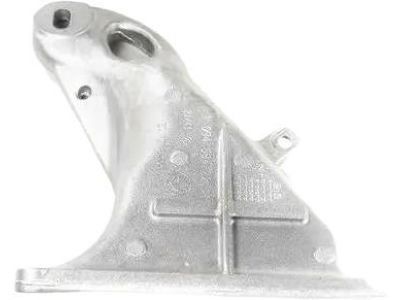
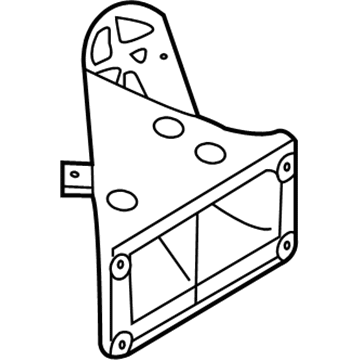
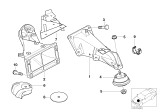
BMW 325i Right Supporting Bracket
Part Number: 22111094694$37.78 MSRP: $45.62You Save: $7.84 (18%)Ships in 1-2 Business Days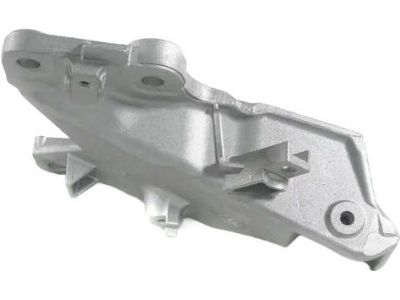
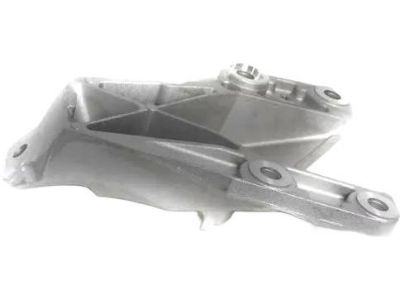
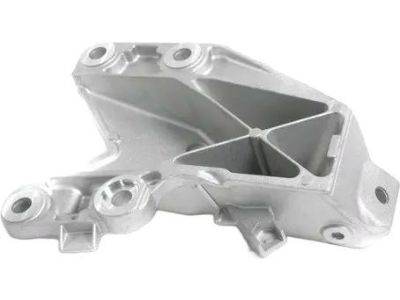
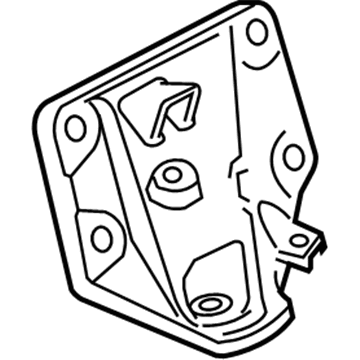
BMW 325i Left Engine Support Mount Bracket
Part Number: 22116760315$152.29 MSRP: $165.74You Save: $13.45 (9%)Ships in 1-3 Business Days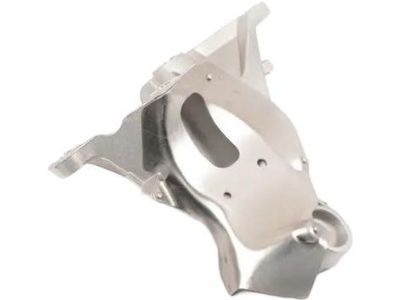
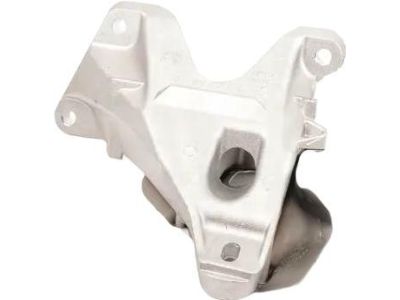
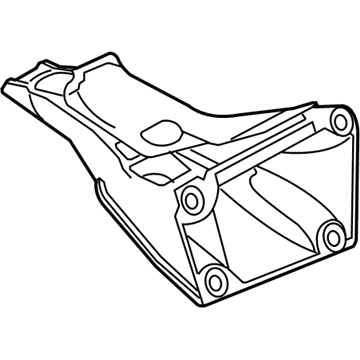
BMW 325i Front Passenger Engine Mount Bracket ????
Part Number: 22116779370$92.21 MSRP: $116.62You Save: $24.41 (21%)Ships in 1-3 Business Days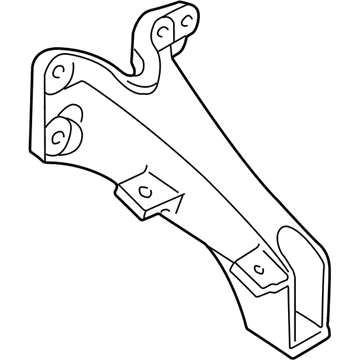
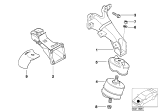
BMW 325i Left Support Bracket
Part Number: 11811141137$112.73 MSRP: $138.38You Save: $25.65 (19%)Ships in 1-3 Business Days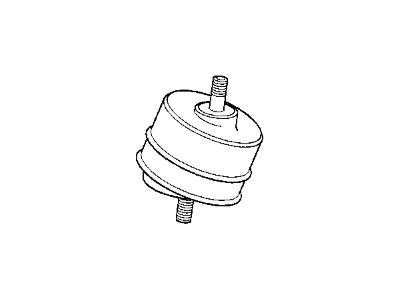
BMW 325i Rubber Mounting Right
Part Number: 11811141736$101.97 MSRP: $133.00You Save: $31.03 (24%)Ships in 1-3 Business Days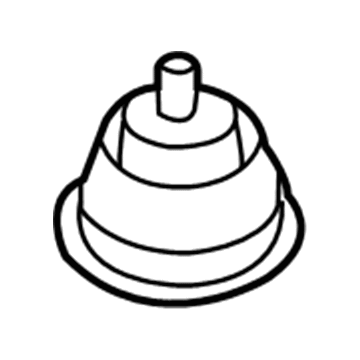
BMW 325i Engine Mount
Part Number: 22116779970$121.29 MSRP: $160.88You Save: $39.59 (25%)Ships in 1-3 Business Days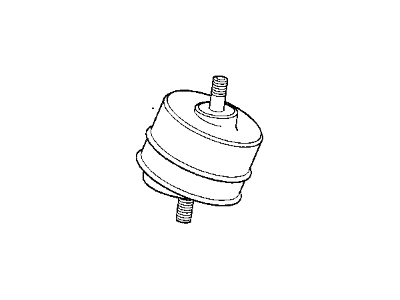
BMW 325i Engine Mount
Part Number: 22116771361$121.29 MSRP: $160.88You Save: $39.59 (25%)Ships in 1-3 Business Days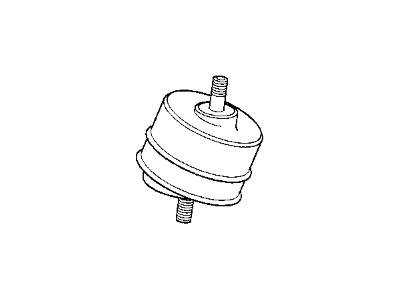
BMW 325i Engine Mount
Part Number: 22111095444$121.29 MSRP: $160.88You Save: $39.59 (25%)Ships in 1-3 Business Days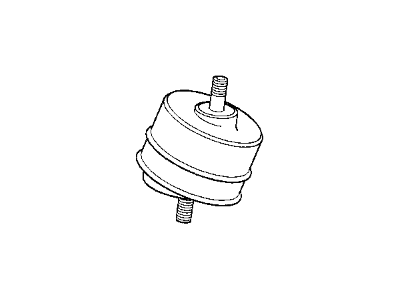
BMW 325i Engine Mount Left
Part Number: 11811141735$101.97 MSRP: $133.00You Save: $31.03 (24%)Ships in 1-3 Business Days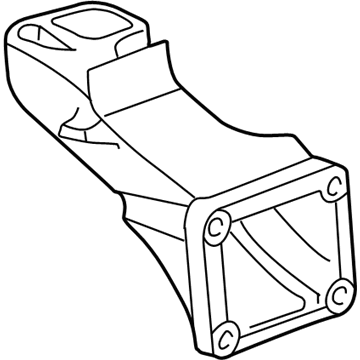
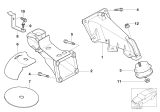
BMW 325i Passenger Right Engine Mount Bracket
Part Number: 11811138249$181.88 MSRP: $227.06You Save: $45.18 (20%)Ships in 1-3 Business Days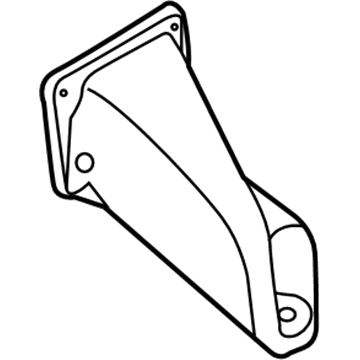
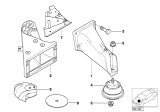
BMW 325i Engine Mount Bracket Left
Part Number: 22111094697$31.01 MSRP: $37.44You Save: $6.43 (18%)Ships in 1-3 Business Days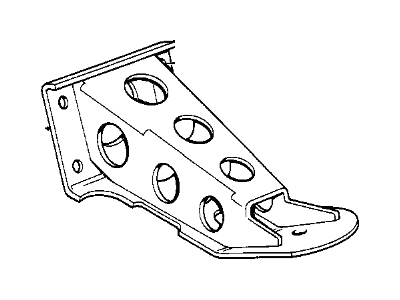
BMW 325i Engine Motor Mount Bracket Left Driver
Part Number: 11811128499$53.71 MSRP: $64.85You Save: $11.14 (18%)Ships in 1-3 Business Days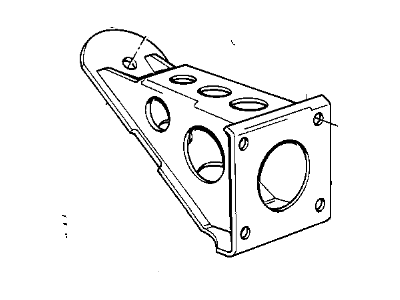
BMW 325i Engine Support Arm Right
Part Number: 11811128496$50.45 MSRP: $60.03You Save: $9.58 (16%)Ships in 1-3 Business Days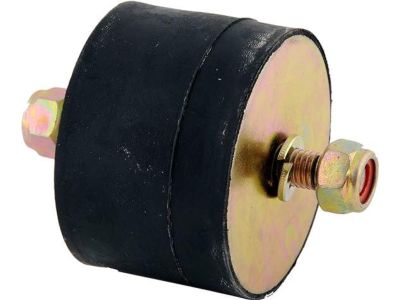
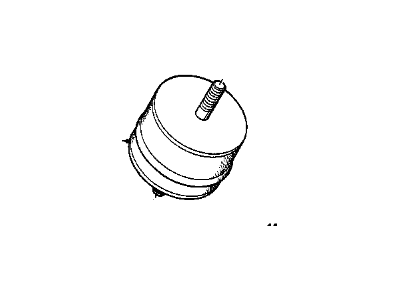
BMW 325i Engine Mount
The Engine Mount for BMW 325i stabilizes the inline six while filtering nasty vibration and providing quiet comfort to the drivers and keeping vital parts in alignment. The standard arrangement connects two steel plates with a flexible rubber core that absorbs movement, yet maintains the engine's exact position in the chassis. Subsequent versions of the BMW 325i came equipped with a hydraulic Engine Mount that effectively absorbs subtler pulses while still restricting large motions. The recent versions of the engine have been modified to utilize an electronically managed active Engine Mount. This specific Engine Mount remains soft at idle for smoothness. However, it firms up as rpm rises to curb tilt under acceleration. Every Engine Mount faces heat, oil splash, and constant torque reversals, regardless of generation. So, rubber may become compressed or cracked, hydraulic units may leak, active mounts may lose control if a sensor or vacuum line fails, and a neglected Engine Mount will slowly raise cabin noise. If you notice rattles, feel vibration, or if the engine noticeably shifts out of line while you're driving, it's likely your car's mount is tired and this will need checking soon. You want to maintain the balanced feel expected from classic BMW performance in your 325i.
If you are looking for OEM BMW 325i Engine Mount, we highly recommend to shop with us. Not only do we offer budget friendly prices, but we also provide fast delivery. In addition, we have a hassle-free return policy on all genuine BMW 325i Engine Mount that come backed by the manufacturer's warranty.
BMW 325i Engine Mount Parts Questions & Experts Answers
- Q:How to remove and replace engine mounts in 2.0L four cylinder engine on BMW 325i?Posted by Alfonso G.A:Two engine mounts are used, one on either side of the engine. If improved access is required, raise the front of the vehicle and support it securely on jackstands. Remove the fasteners and remove the engine splash shield. Check the mount rubber to see if it is cracked, hardened or separated from the metal at any point. Replace the mount if any such damage or deterioration is evident. Check that all the mount fasteners are securely tightened. Using a large screwdriver or a prybar, check for wear in the mount by carefully prying against it to check for freeplay. Where this is not possible, enlist the aid of an assistant to move the engine/transmission back-and-forth, or from side-to-side, while you observe the mount. While some freeplay is to be expected, even from new components, excessive wear should be obvious. If excessive freeplay is found, first check that the fasteners are tight, then replace any worn components as required. Support the engine, either using a hoist or an engine support fixture connected to the engine lifting brackets, or by positioning a jack and a block of wood under the oil pan. Ensure that the engine is adequately supported before proceeding. Remove the bolts/nuts securing the left and right engine mount brackets to the mount insulators, unbolt the mount brackets from the cylinder block, and remove the mounts. Disconnect any engine ground straps from the mounts where installed. Remove the bolt securing the mounts to the subframe, then withdraw the mounts. Installation is the reverse of removal. Tighten all fasteners to the torque.Answered by BMW Parts Specialist Javier / Feb 18, 2022