×
- Hello
- Login or Register
- Quick Links
- Live Chat
- Track Order
- Parts Availability
- RMA
- Help Center
- Contact Us
- Shop for
- BMW Parts
- BMW Accessories

My Garage
My Account
Cart
Genuine BMW Z4 Drive Belt
Serpentine Belt- Select Vehicle by Model
- Select Vehicle by VIN
Select Vehicle by Model
orSeries
Model
Year
Select Vehicle by VIN
For the most accurate results, select vehicle by your VIN (Vehicle Identification Number).
6 Drive Belts found
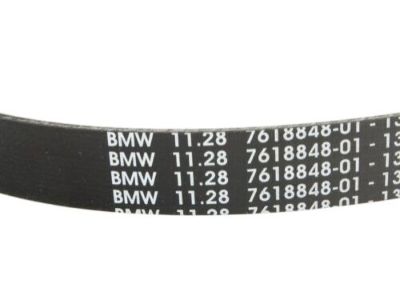
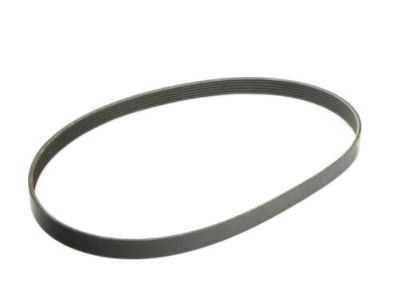
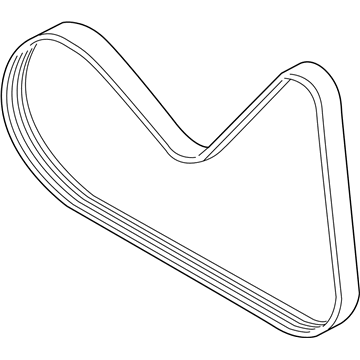
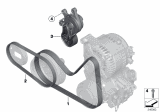
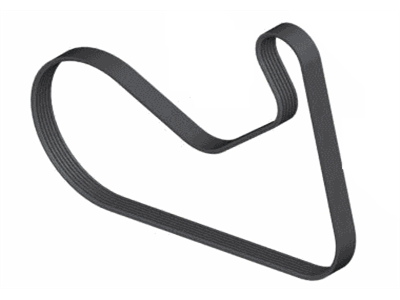
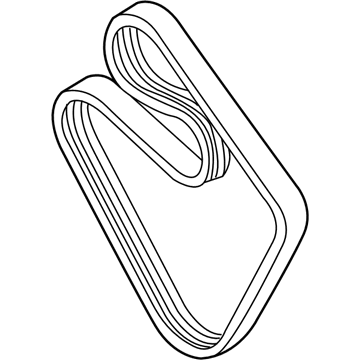
BMW Z4 Ribbed V-Belt
Part Number: 11287618848$20.55 MSRP: $31.24You Save: $10.69 (35%)Ships in 1-3 Business Days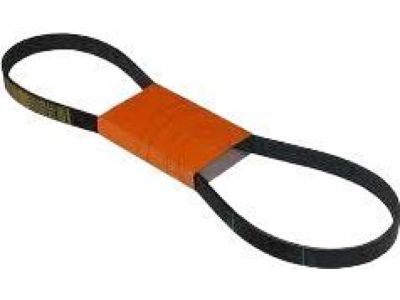
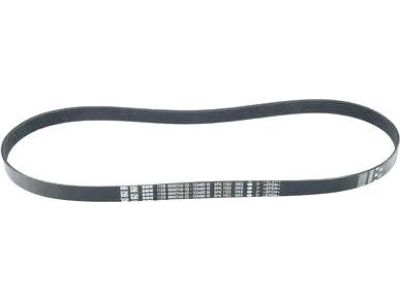
BMW Z4 Ribbed V-Belt
Part Number: 11288650740$21.56 MSRP: $32.78You Save: $11.22 (35%)Ships in 1-3 Business Days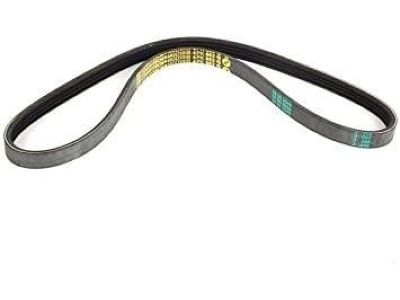
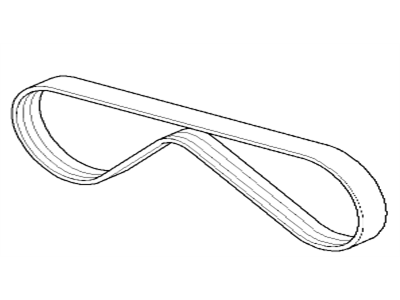
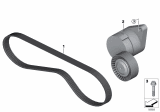
BMW Z4 Ribbed V-Belt
Part Number: 11287512762$26.17 MSRP: $35.82You Save: $9.65 (27%)Ships in 1-2 Business Days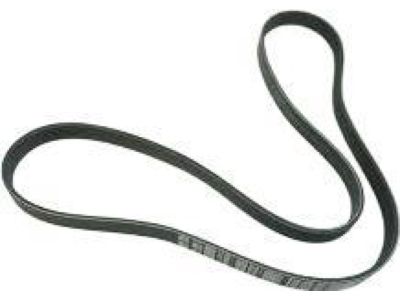
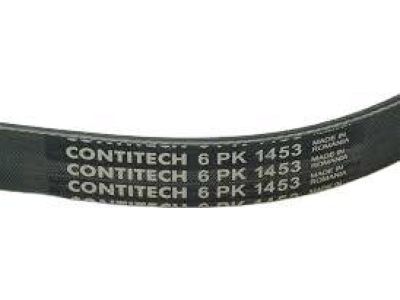
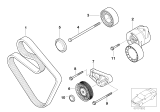
BMW Z4 Ribbed V-Belt
Part Number: 11287636372$50.50 MSRP: $69.10You Save: $18.60 (27%)Ships in 1-3 Business Days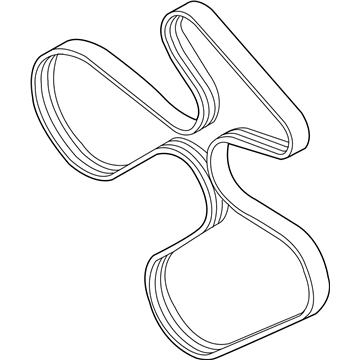
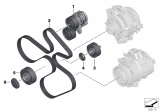
BMW Z4 Ribbed V-Belt
Part Number: 11287628654$61.33 MSRP: $69.93You Save: $8.60 (13%)Ships in 1-3 Business Days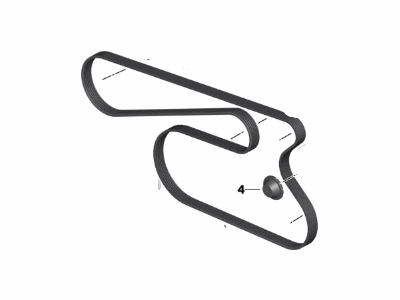
BMW Z4 Ribbed V-Belt
Part Number: 11287628651$41.50 MSRP: $63.09You Save: $21.59 (35%)Ships in 1-3 Business Days
BMW Z4 Drive Belt
This engine feature known as the BMW Z4 Drive Belt is another proof that the brand is reliable, as it is focused on performance. This Drive Belt is designed to transmit the necessary power from the engine to other necessary components like the alternator and the A/C compressor. Applicable to different models of BMW Z4 E85, E86, sDrive30i and sDrive35i the Drive Belt has a useful life of approximately 160,000km and it greatly helps in preventing the engine from getting damaged. This give the car serpentine turn flexibility and efficiency which is unique feature in today's automotives market. Indeed, the BMW Z4 Drive Belt is not just an element that determines the performance of the vehicle but also supports the safety of the car since all the components powered by the engine must operate properly. It also comes with various models; the V-belts and the timing belts making the BMW Z4 Drive Belt versatile to different drivers' needs with a promise of durability through great operations. Newer generation Z4 cars have modern features like driving dynamics control and digital dashboard, which makes the role of a good Drive Belt significant for the car's functionality. Regarding the BMW Z4, Drive Belt as one of the engineering features realises the product vision as well as commitment of the brand to providing safe, efficient and qualitatively collusive driving experiences within the sphere of automotive competition.
If you are looking for OEM BMW Z4 Drive Belt, we highly recommend to shop with us. Not only do we offer budget friendly prices, but we also provide fast delivery. In addition, we have a hassle-free return policy on all genuine BMW Z4 Drive Belt that come backed by the manufacturer's warranty.
BMW Z4 Drive Belt Parts Questions & Experts Answers
- Q:How should the Drive Belt be inspected and replaced on the BMW Z4?Posted by Esprit O.A:Owing to their function and design, belts tend to fail at some point and ought to be checked now and again. The number of belts on a given car depends on the installed accessories with drive belts being used for water pump, alternately power steering pump and air conditioning compressor and so on. If required, the viscous cooling fan and the cowl of the unit can be detached for easier access during inspection. The belt and sheave must also be inspected while the engine is off and not working, for tears, cracks, wear; uneven plies; and glazing, and twisting and turning the belt so as to look at the other side. As necessary, start the engine using a wrench or socket on the crankshaft pulley bolt for inspection of the engine. For the reproduction of the air conditioning compressor, it is relative easy to get to from under the car; it may be necessary to prop up the front and place on jackstands. Lift the engine splash shield and depending on the model pull the cover off of the tensioner pulley or take a wrench and turn the tensioner of the clockwise direction to take the belt off. once the new belt has been installed make sure that it sits in the middle of the two pulleys and fits into the grooves properly before fixing the splash shield back in place and dropping the car. Air conditioning compressor drivebelt for the water pump, alternator and power steering pump the above if installed, must be slackened and the running direction marked where the belt will be reinstalled. To enhance the accessibility, the viscous cooling fan and its shroud can be un bolted and the owner should make a picture of the drive belt path before it is removed. Turn the tensioner anti-clockwise to release the belt and if refitting the original belt, then fit it with the recommended running direction. Lose the tensioner and place the belt on the pulleys in the right manner and make sure that it is correctly centered on the pulleys.Answered by BMW Parts Specialist Brad / Feb 06, 2026
Related BMW Z4 Parts
 BMW Z4 Alternator
 BMW Z4 Timing Chain Tensioner
 BMW Z4 Rocker Arm
 BMW Z4 Rod Bearing
 BMW Z4 Piston Ring
 BMW Z4 Timing Cover
 BMW Z4 Crankshaft Pulley
 BMW Z4 Crankshaft Gear
 BMW Z4 Timing Chain Guide
Browse by Year
2025 Drive Belt 2024 Drive Belt 2023 Drive Belt 2022 Drive Belt 2021 Drive Belt 2020 Drive Belt 2019 Drive Belt 2016 Drive Belt 2015 Drive Belt 2014 Drive Belt 2013 Drive Belt 2012 Drive Belt 2011 Drive Belt 2010 Drive Belt 2009 Drive Belt 2008 Drive Belt 2007 Drive Belt 2006 Drive Belt 2005 Drive Belt 2004 Drive Belt 2003 Drive Belt