×
- Hello
- Login or Register
- Quick Links
- Live Chat
- Track Order
- Parts Availability
- RMA
- Help Center
- Contact Us
- Shop for
- BMW Parts
- BMW Accessories

My Garage
My Account
Cart
Genuine BMW Z4 Universal Joints
U - Joints- Select Vehicle by Model
- Select Vehicle by VIN
Select Vehicle by Model
orSeries
Model
Year
Select Vehicle by VIN
For the most accurate results, select vehicle by your VIN (Vehicle Identification Number).
7 Universal Joints found
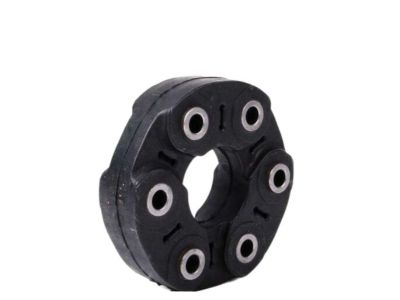
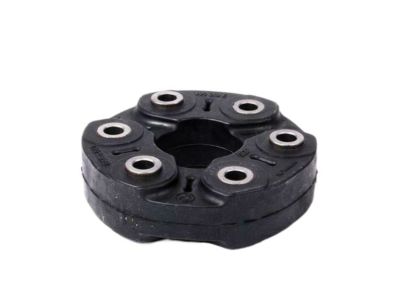
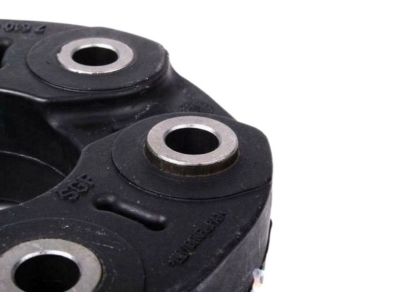
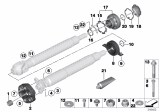
BMW Z4 Universal Joint
Part Number: 26117610061$173.08 MSRP: $236.98You Save: $63.90 (27%)Ships in 1-3 Business Days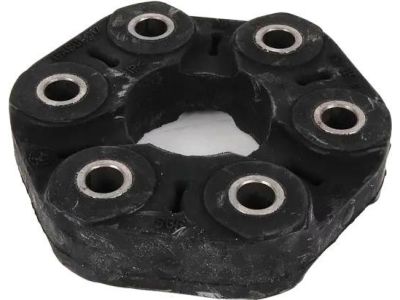
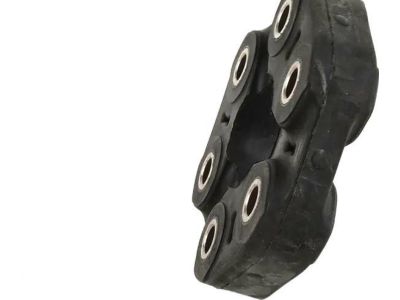
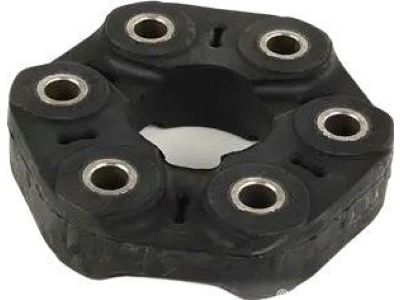
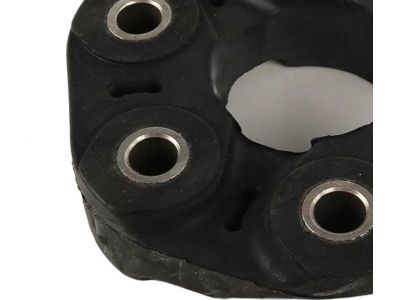
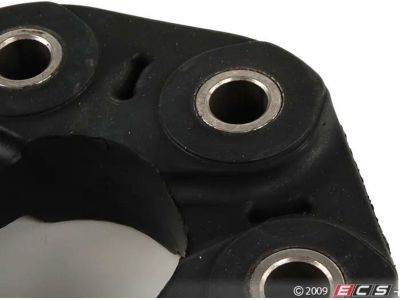
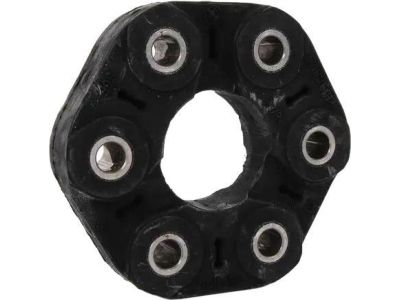
BMW Z4 Universal Joint
Part Number: 26117511454$164.43 MSRP: $225.13You Save: $60.70 (27%)Ships in 1-3 Business Days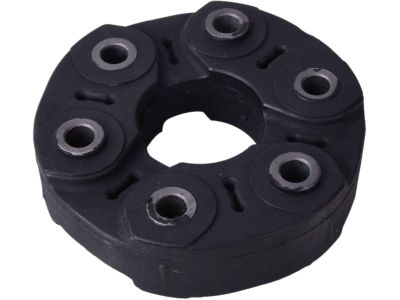
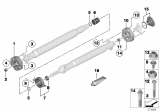
BMW Z4 Universal Joint
Part Number: 26117605629$173.08 MSRP: $236.98You Save: $63.90 (27%)Ships in 1-3 Business Days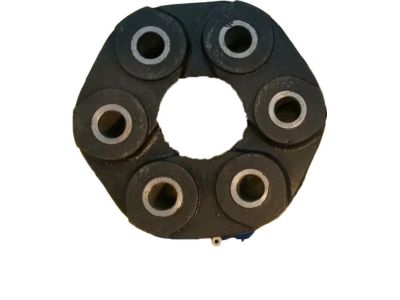
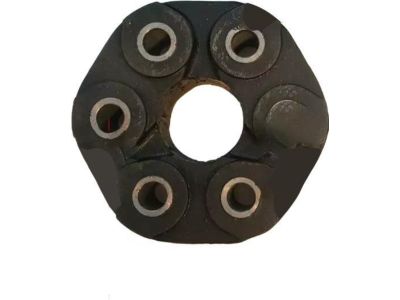
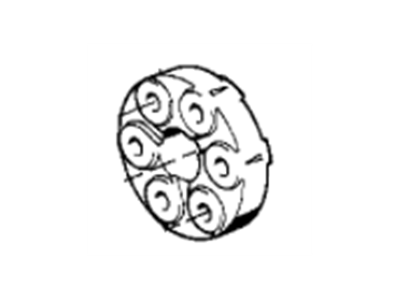
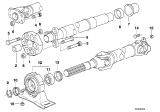
BMW Z4 Universal Joint
Part Number: 26111227410$155.78 MSRP: $213.29You Save: $57.51 (27%)Ships in 1-3 Business DaysBMW Z4 Universal Joint
Part Number: 26117522027$164.43 MSRP: $225.13You Save: $60.70 (27%)Ships in 1-3 Business Days
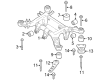
BMW Z4 Universal Joint
Part Number: 26118832852$207.70 MSRP: $284.39You Save: $76.69 (27%)Ships in 1-3 Business Days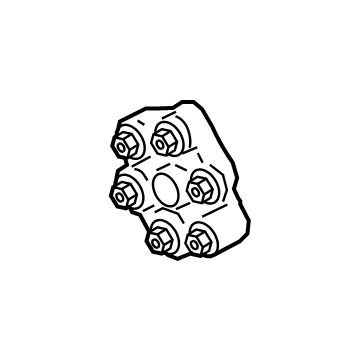
BMW Z4 FLEXIBLE DISK
Part Number: 26119895600$164.43 MSRP: $225.13You Save: $60.70 (27%)Ships in 1-2 Business Days
BMW Z4 Universal Joints
The driveshaft of the company's roadster is given flexibility by BMW Z4 Universal Joints to keep delivering torque as the suspension rises and falls. The Universal Joints at the transmission end and differential flange consist of a cross-shaped trunnion fitted with needle bearings in hardened steel cups. Clips hold each cup tight so that power flows smoothly through every BMW rear wheel launch. Each cup contains sealed grease, enabling it to cushion the bearings. However, once this grease dries out, the joints will make a clunking, vibrating, or squeaking noise that a Z4 driver will pick up on quickly. The inspection is simple. Just twist the shaft to feel for play and look for broken clips, split seals, red dust, or end-play since any of these found means a fresh pair of Universal Joints is required to stop further wear. Over the years, BMW has stuck to this tried-and-tested design, so if you own an early E85 Z4 or a later G29 Z4, the key difference is only that some factory Universal Joints remain permanently lubricated while optional serviceable Universal Joints gain a grease fitting for longer life, helping preserve the characteristic BMW handling feel.
If you are looking for OEM BMW Z4 Universal Joints, we highly recommend to shop with us. Not only do we offer budget friendly prices, but we also provide fast delivery. In addition, we have a hassle-free return policy on all genuine BMW Z4 Universal Joints that come backed by the manufacturer's warranty.
BMW Z4 Universal Joints Parts Questions & Experts Answers
- Q:What are the signs of wear in universal joints and how can they be checked on BMW Z4?Posted by Christie L.A:On some models, a rubber coupling is installed between the driveshaft and transmission instead of a universal joint. Wear in the universal joints is characterized by vibration in the transmission, noise during acceleration, and metallic squeaking and grating sounds as the bearings disintegrate. The joints can be checked with the driveshaft still installed, noting that it will be necessary to remove the exhaust system and heat shields to gain access. If the driveshaft is in position, try to turn it while holding the transmission or differential flange; free play between the driveshaft and the front or rear flanges indicates excessive wear. If the driveshaft is already removed, check the universal joints by holding the shaft in one hand and turning the yoke or flange with the other; excessive axial movement means the driveshaft should be replaced. At the time of writing, no spare parts were available for replacing the universal joints, so if any joint shows signs of damage or wear, the complete driveshaft assembly must be replaced. Consult your BMW dealer for the latest information on parts availability. If replacement of the driveshaft is necessary, it may be worthwhile to seek the advice of a driveline specialist, who may be able to repair the original shaft assembly or supply a reconditioned shaft on exchange.Answered by BMW Parts Specialist Noah / May 14, 2025
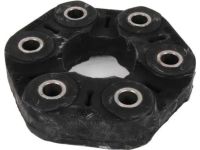
Browse by Year
2024 Universal Joints 2023 Universal Joints 2022 Universal Joints 2021 Universal Joints 2020 Universal Joints 2019 Universal Joints 2016 Universal Joints 2015 Universal Joints 2014 Universal Joints 2013 Universal Joints 2012 Universal Joints 2011 Universal Joints 2010 Universal Joints 2009 Universal Joints 2008 Universal Joints 2007 Universal Joints 2006 Universal Joints 2005 Universal Joints 2004 Universal Joints 2003 Universal Joints