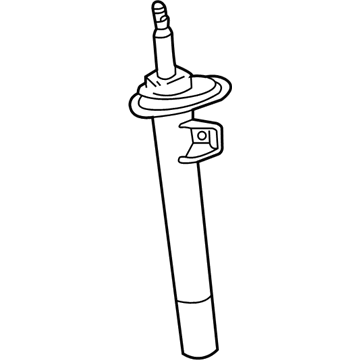
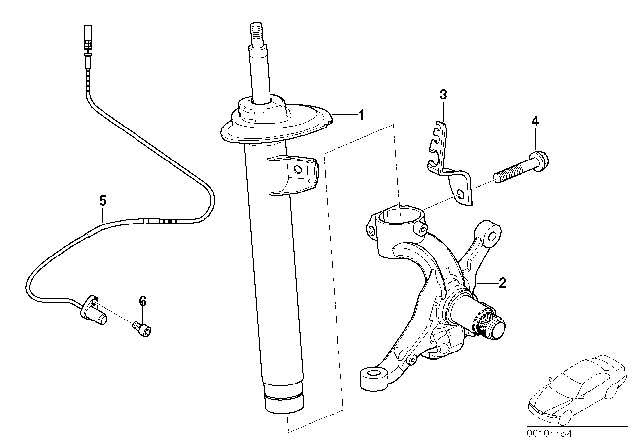
To inspect the front suspension and steering, begin by raising the front of the vehicle and securely supporting it on jackstands. Visually check the balljoint dust covers and steering rack-and-pinion boots for any splits, chafing, or deterioration, as wear can lead to lubricant loss and subsequent dirt and water entry, causing rapid deterioration of the balljoints or steering gear. Examine the power steering fluid hoses for chafing or deterioration, and inspect the line and hose fittings for fluid leaks, including signs of leakage under pressure from the steering gear rubber boots, which may indicate failed fluid seals. Grasp the wheel at the 12 o'clock and 6 o'clock positions to check for wear in the hub bearings; slight free play is normal, but significant movement requires further investigation. While rocking the wheel, have an assistant depress the brake; if movement is reduced, the hub bearings may be at fault, while persistent free play suggests wear in the suspension joints or mountings. Next, grasp the wheel at the 9 o'clock and 3 o'clock positions to check for movement that may indicate wear in the hub bearings or steering gear tie rod balljoints, with obvious visual movement indicating worn balljoints. Use a large screwdriver or flat bar to check for wear in the suspension mounting bushings by levering between the suspension component and its attachment point; some movement is expected, but excessive wear should be apparent. With the car on its wheels, have an assistant turn the steering wheel back and forth slightly; there should be minimal lost movement between the steering wheel and wheels. If excessive movement is noted, inspect the joints and mountings, as well as the steering column universal joints and the rack-and-pinion steering gear for wear. For the strut or shock absorber, check for fluid leakage around the body or from the rubber boot around the piston rod; any fluid indicates internal defects requiring replacement, and both struts or shock absorbers should be replaced in pairs on the same axle. Assess the efficiency of the strut or shock absorber by bouncing the car at each corner; it should return to its normal position without excessive rebound, and also examine the upper and lower mountings for signs of wear.