×
- Hello
- Login or Register
- Quick Links
- Live Chat
- Track Order
- Parts Availability
- RMA
- Help Center
- Contact Us
- Shop for
- BMW Parts
- BMW Accessories

My Garage
My Account
Cart
Genuine 1976 BMW 2002 Cylinder Head
Head- Select Vehicle by Model
- Select Vehicle by VIN
Select Vehicle by Model
orSeries
Model
Year
Select Vehicle by VIN
For the most accurate results, select vehicle by your VIN (Vehicle Identification Number).
4 Cylinder Heads found
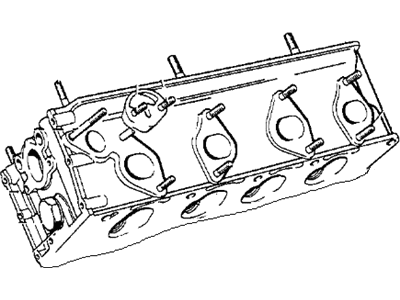
1976 BMW 2002 Cylinder Head
Part Number: 11129061431$1344.65 MSRP: $2037.16You Save: $692.51 (34%)Ships in 1-3 Business DaysProduct Specifications- Replaced by: 11129061432
- Item Weight: 34.00 Pounds
- Condition: New
- Fitment Type: Direct Replacement
- SKU: 11129061431
- Warranty: This genuine part is guaranteed by BMW's factory warranty.
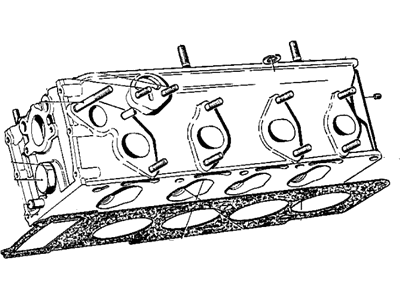 Product Specifications
- Replaces: 11-12-1-254-287
- Item Weight: 36.30 Pounds
- Condition: New
- Fitment Type: Direct Replacement
- SKU: 11120721008
- Warranty: This genuine part is guaranteed by BMW's factory warranty.
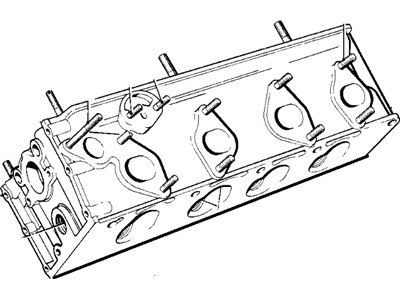
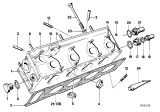 Product Specifications
- Replaces: 11-12-1-264-785, 11-12-1-265-684
- Item Weight: 36.00 Pounds
- Condition: New
- Fitment Type: Direct Replacement
- SKU: 11121262178
- Warranty: This genuine part is guaranteed by BMW's factory warranty.
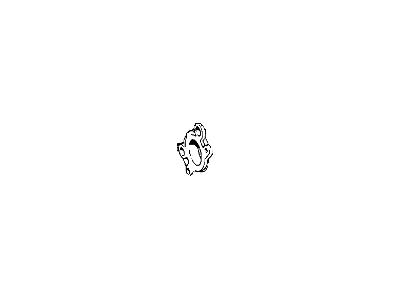 Product Specifications
- Replaces: 11-12-9-061-431
- Item Weight: 37.00 Pounds
- Condition: New
- Fitment Type: Direct Replacement
- SKU: 11129061432
- Warranty: This genuine part is guaranteed by BMW's factory warranty.
1976 BMW 2002 Cylinder Head
Are you in need of a high-quality yet affordable OEM 1976 BMW 2002 Cylinder Head? Look no further. Our website boasts an extensive selection of genuine 1976 BMW 2002 Cylinder Head, all priced competitively. Plus, our top-notch customer service and speedy delivery options ensure a seamless shopping experience for you.
1976 BMW 2002 Cylinder Head Parts Questions & Experts Answers
- Q:How should you clean and prepare the cylinder head and pistons after removing the cylinder head on 1976 BMW 2002?Posted by Malerie S.A:With the cylinder head removed, use a blunt scraper to eliminate all traces of carbon and deposits from the combustion spaces and ports, taking care not to damage the aluminum alloy. Ensure the cylinder head is free from scale, old gasket pieces, or jointing compound, and clean it by washing in paraffin, using a rag to clear the ports and bolt holes to prevent dirt from contaminating the gasket or mating surface during reassembly. After cleaning, test for distortion if there has been a history of coolant leakage, using a straight edge and feeler gauges; any warping exceeding 0.039 in (0.1015 mm) necessitates resurfacing by a specialist, ensuring the depth reduction does not exceed 0.0197 in (0.5 mm) and compensating by reducing the upper timing cover by the same amount. Clean the pistons and the tops of the cylinder bores, taking care to prevent carbon from entering the bores if the pistons remain in the block, which could scratch the walls or damage the piston and rings; turn the crankshaft to position two pistons at the top of their bores and seal the others with paper and masking tape. Rotate the crankshaft again to repeat the carbon removal on the remaining pistons and bores, thoroughly cleaning all carbon particles and injecting a little light oil around the edges of the pistons to lubricate the rings.Answered by BMW Parts Specialist Adrian / Feb 07, 2025
Related 1976 BMW 2002 Parts
 1976 BMW 2002 Camshaft
 1976 BMW 2002 Cylinder Head Gasket
 1976 BMW 2002 Exhaust Valve
 1976 BMW 2002 Intake Valve
 1976 BMW 2002 Rocker Arm
 1976 BMW 2002 Rocker Shaft Spring Kit
 1976 BMW 2002 Timing Cover