×
- Hello
- Login or Register
- Quick Links
- Live Chat
- Track Order
- Parts Availability
- RMA
- Help Center
- Contact Us
- Shop for
- BMW Parts
- BMW Accessories

My Garage
My Account
Cart
Genuine BMW 2002 Clutch Slave Cylinder
- Select Vehicle by Model
- Select Vehicle by VIN
Select Vehicle by Model
orSeries
Model
Year
Select Vehicle by VIN
For the most accurate results, select vehicle by your VIN (Vehicle Identification Number).
2 Clutch Slave Cylinders found
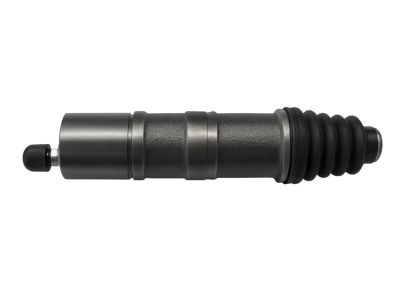
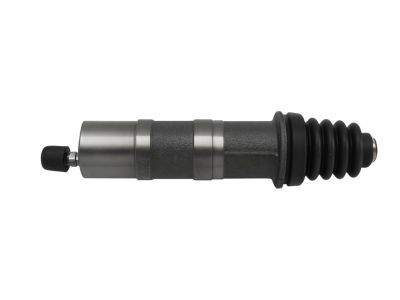
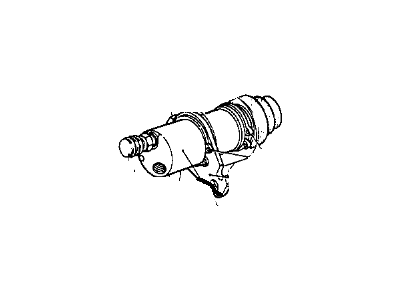
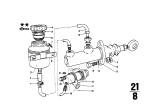
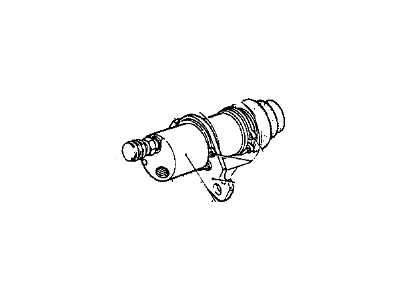
BMW 2002 Clutch Slave Cylinder
The BMW 2002 Clutch Slave Cylinder transmits pressure from the pedal to the hydraulic system so the clutch disconnects smoothly. In early 2002, coupes that employed a cable linkage made their appearance, but from the mid-seventies onwards, the company had adopted a hydraulic layout that was based around a compact Clutch Slave Cylinder. This device works alongside the clutch master cylinder. The BMW Clutch Slave Cylinder operates by receiving pressurized brake fluid, compelling it to push a brief rod against the release fork which opens the disc from the flywheel. This allows drivers to change ratios without grinding. The Clutch Slave Cylinder may be defective if there are signs of leaking brake fluid or the pedal feels spongy. This happens due to the failure of internal seals which allow for the easy loss of pressure. There has only been one basic design to serve the range. However, bore diameter was changed for models that have larger transmission housings. Nevertheless, every Clutch Slave Cylinder still bolts to the bellhousing. They employ the same push-type mechanism. The new hydraulic clutch, in contrast to the old cable setup, offers a lighter pedal action, automatic adjustment for clutch wear, and a constant pedal feel. After 1975, BMW classic car owners appreciate the smoother action, while earlier 2002 drivers typically retrofit the newer assembly to benefit from modern shifting efficiency.
If you are looking for OEM BMW 2002 Clutch Slave Cylinder, we highly recommend to shop with us. Not only do we offer budget friendly prices, but we also provide fast delivery. In addition, we have a hassle-free return policy on all genuine BMW 2002 Clutch Slave Cylinder that come backed by the manufacturer's warranty.
BMW 2002 Clutch Slave Cylinder Parts Questions & Experts Answers
- Q:How to remove and install a Clutch Slave Cylinder on the BMW 2002?Posted by Bethanne B.A:Using a pair of pliers, expand the clip which secures the rubber boot to the pushrod end of the Clutch Slave Cylinder. Push the boot and the clip off the cylinder body. Extract the circlip which is on the rear face of the bellhousing mounting flange and withdraw the Clutch Slave Cylinder towards the front of the car. Disconnect the fluid supply pipe from the Clutch Slave Cylinder and plug the pipe. Remove the cylinder. The pushrod and rubber boot can now be detached from the clutch release arm. Overhaul of the cylinder is similar to that described for the master cylinder. Installation is a reversal of removal but bleed the hydraulic system and where an adjustable pushrod is fitted, check and adjust the clutch free-movement.Answered by BMW Parts Specialist Javier / Mar 21, 2023