×
- Hello
- Login or Register
- Quick Links
- Live Chat
- Track Order
- Parts Availability
- RMA
- Help Center
- Contact Us
- Shop for
- BMW Parts
- BMW Accessories

My Garage
My Account
Cart
Genuine BMW 328i Engine Mount
Engine Motor Mount- Select Vehicle by Model
- Select Vehicle by VIN
Select Vehicle by Model
orSeries
Model
Year
Select Vehicle by VIN
For the most accurate results, select vehicle by your VIN (Vehicle Identification Number).
17 Engine Mounts found
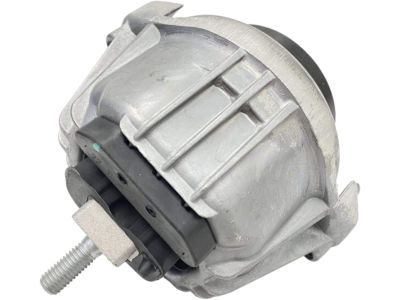
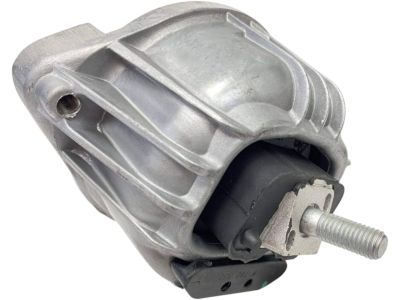
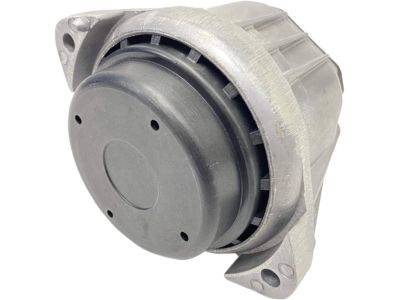
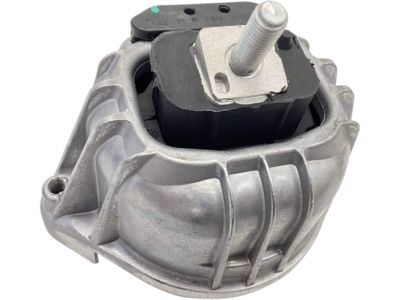
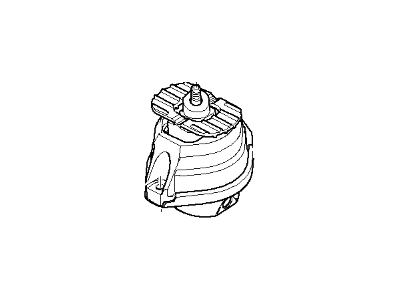
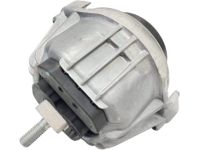
BMW 328i Engine Mount
Part Number: 22116760330$129.10 MSRP: $176.76You Save: $47.66 (27%)Ships in 1-3 Business Days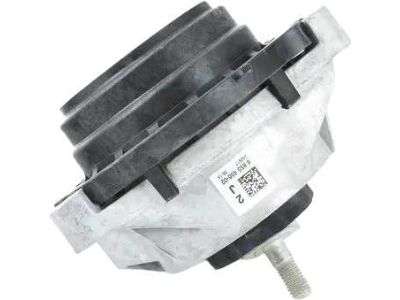
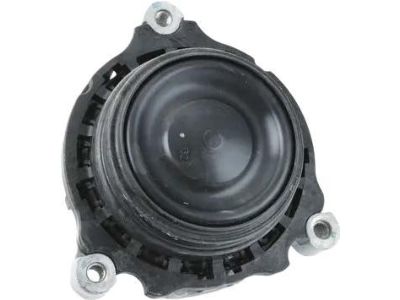
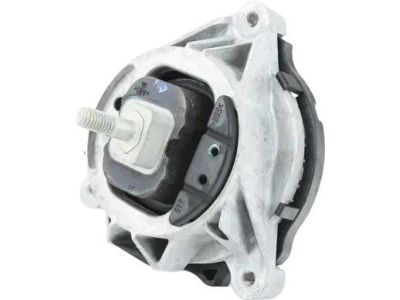
BMW 328i Engine Mount Right
Part Number: 22116855456$135.92 MSRP: $186.10You Save: $50.18 (27%)Ships in 1-3 Business Days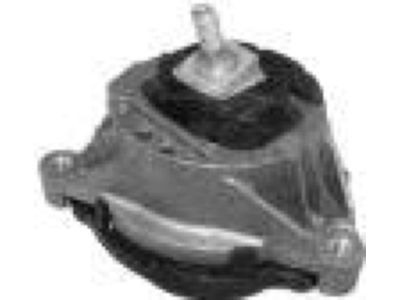
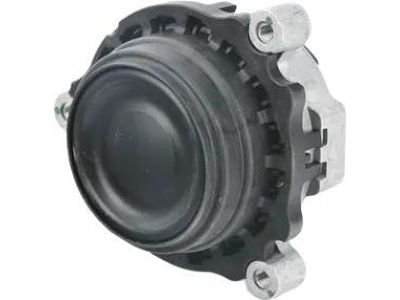
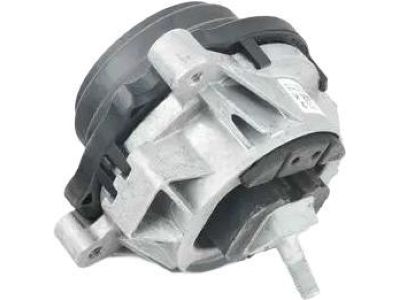
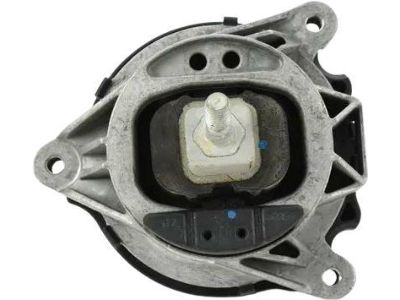
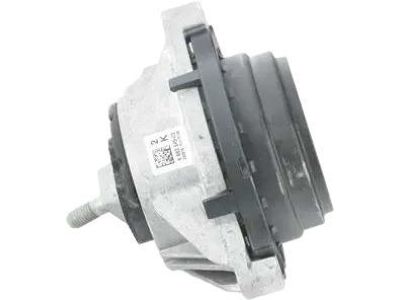
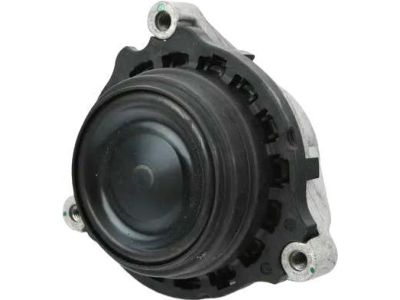
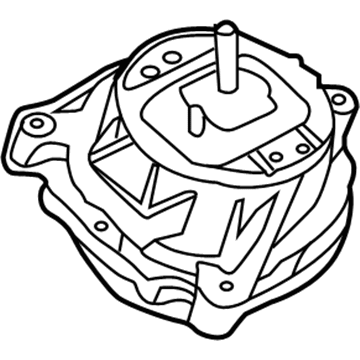
BMW 328i Engine Mount Left
Part Number: 22116862549$135.92 MSRP: $186.10You Save: $50.18 (27%)Ships in 1-3 Business Days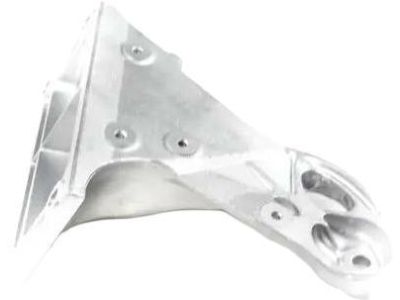
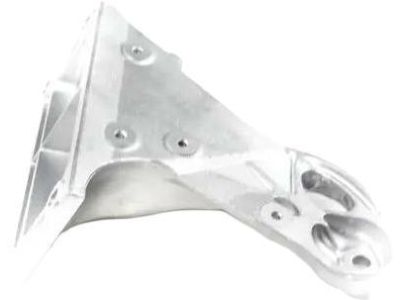
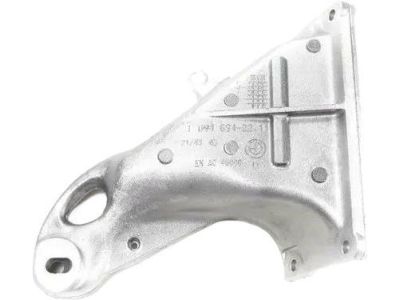
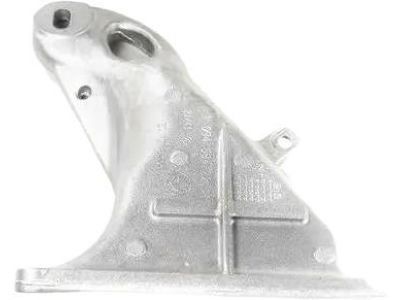
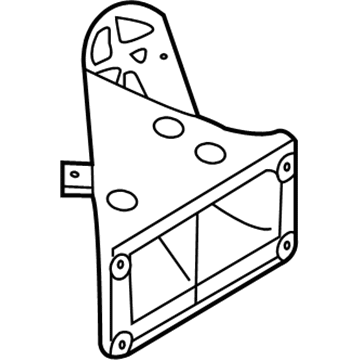
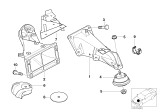
BMW 328i Right Supporting Bracket
Part Number: 22111094694$37.78 MSRP: $45.62You Save: $7.84 (18%)Ships in 1-2 Business Days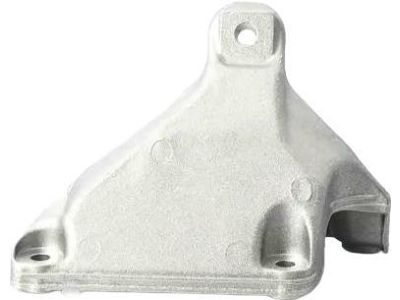
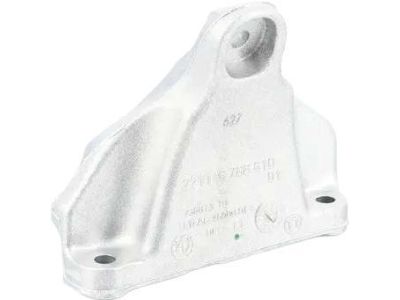
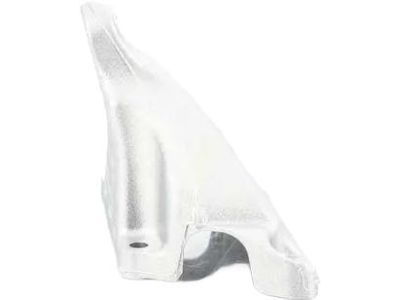
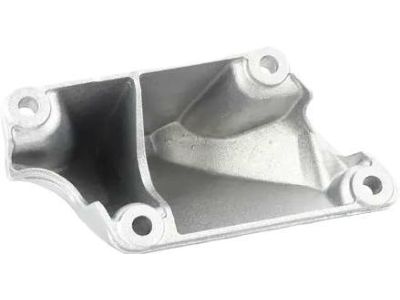
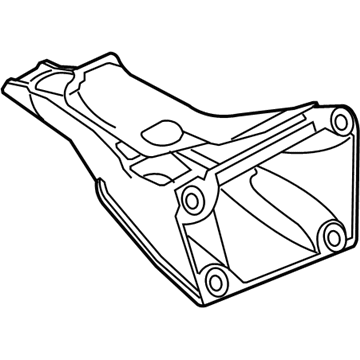
BMW 328i Engine Mount Bracket Right
Part Number: 22116788610$139.79 MSRP: $152.14You Save: $12.35 (9%)Ships in 1-3 Business Days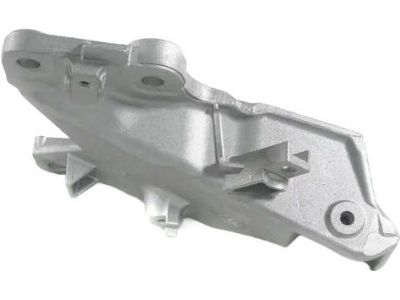
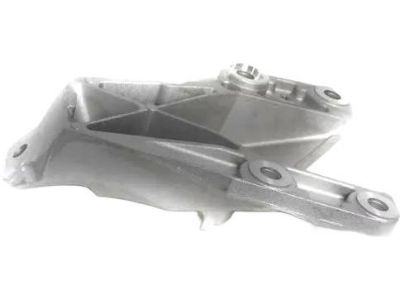
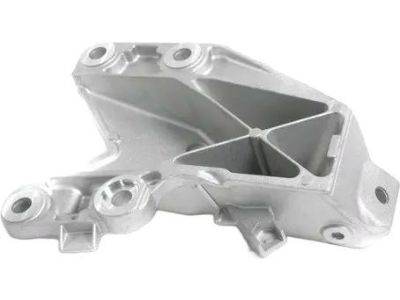
BMW 328i Left Engine Support Mount Bracket
Part Number: 22116760315$152.29 MSRP: $165.74You Save: $13.45 (9%)Ships in 1-3 Business Days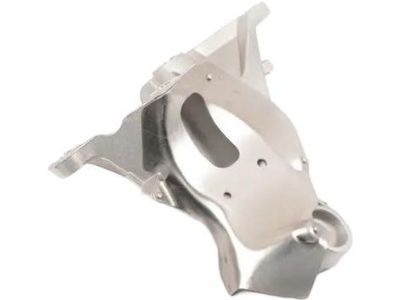
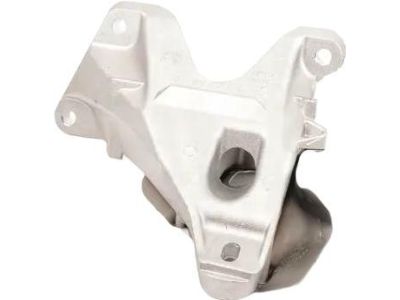
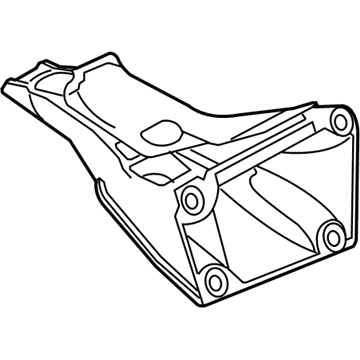
BMW 328i Front Passenger Engine Mount Bracket ????
Part Number: 22116779370$92.21 MSRP: $116.62You Save: $24.41 (21%)Ships in 1-3 Business Days
BMW 328i Engine Mount Left
Part Number: 22116787657$135.92 MSRP: $186.10You Save: $50.18 (27%)Ships in 1-3 Business Days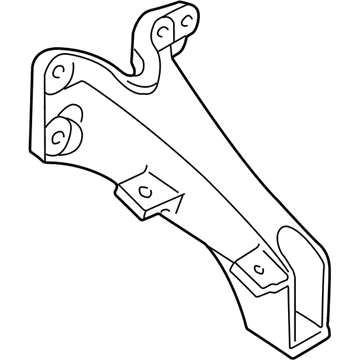
BMW 328i Left Support Bracket
Part Number: 11811141137$112.73 MSRP: $138.38You Save: $25.65 (19%)Ships in 1-3 Business Days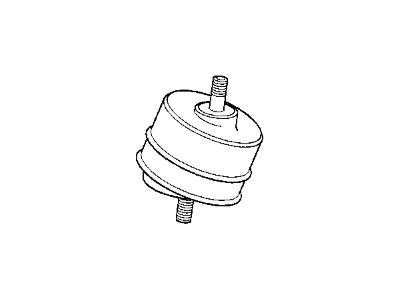
BMW 328i Rubber Mounting Right
Part Number: 11811141736$101.97 MSRP: $133.00You Save: $31.03 (24%)Ships in 1-3 Business Days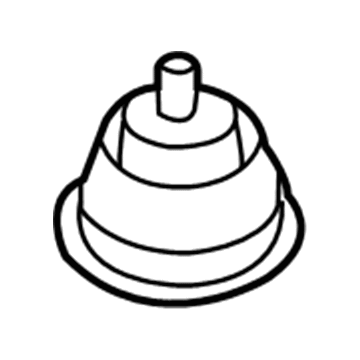
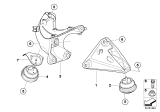
BMW 328i Engine Mount
Part Number: 22116779970$121.29 MSRP: $160.88You Save: $39.59 (25%)Ships in 1-3 Business Days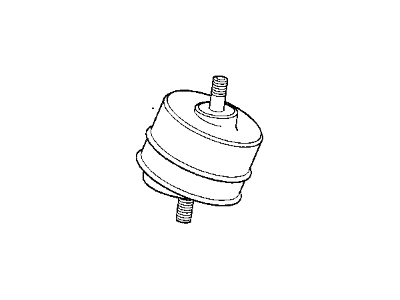
BMW 328i Engine Mount
Part Number: 22116771361$121.29 MSRP: $160.88You Save: $39.59 (25%)Ships in 1-3 Business Days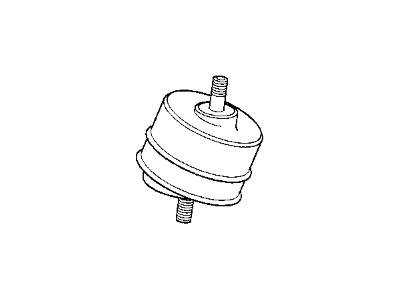
BMW 328i Engine Mount
Part Number: 22111095444$121.29 MSRP: $160.88You Save: $39.59 (25%)Ships in 1-3 Business Days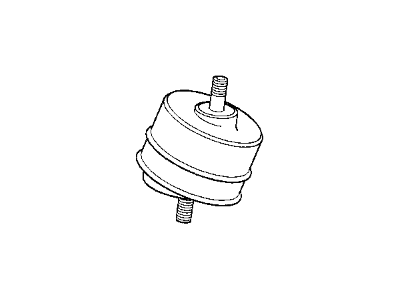
BMW 328i Engine Mount Left
Part Number: 11811141735$101.97 MSRP: $133.00You Save: $31.03 (24%)Ships in 1-3 Business Days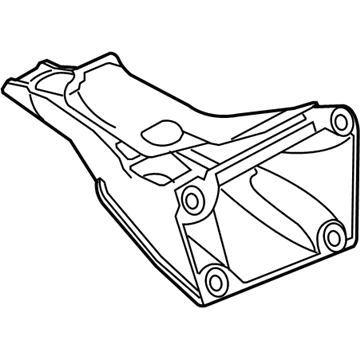
BMW 328i Engine Supporting Left Bracket
Part Number: 22116788609$133.94 MSRP: $157.92You Save: $23.98 (16%)Ships in 1-3 Business Days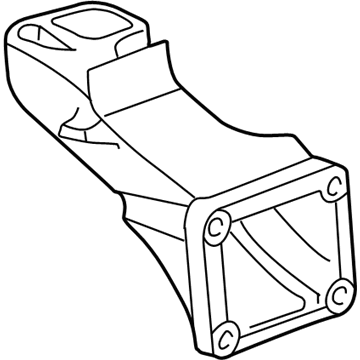
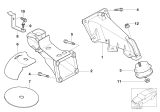
BMW 328i Passenger Right Engine Mount Bracket
Part Number: 11811138249$181.88 MSRP: $227.06You Save: $45.18 (20%)Ships in 1-3 Business Days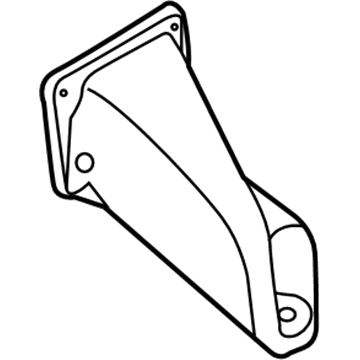
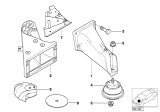
BMW 328i Engine Mount Bracket Left
Part Number: 22111094697$31.01 MSRP: $37.44You Save: $6.43 (18%)Ships in 1-3 Business Days
BMW 328i Engine Mount
The BMW 328i Engine Mount helps stabilize the engine while reducing powertrain noise and vibration for a comfortable ride. The Engine Mount is made up of a pair of metal brackets that are fixed and separated by a rubber or hydraulic buffer. The Engine Mount supports the weight of the engine. Moreover, it also fixes the engine in position to the chassis so that different parts or components do not get affected. The older 328i models mostly depend on solid rubber versions that are tough and may harden or sag over time. It seems that the Engine Mounts of newer cars have a hydraulic design that suspends fluid in the cushion and absorbs more vibrations without letting the engine move about. This improvement has been welcomed by BMW drivers. The electronically controlled active Engine Mount is the advanced option. This motor mount varies stiffness on demand. It stays supple while idling and firms up as the revs increase. As a result, the spirited 328i stays smooth at a standstill and sharp on the throttle. All Engine Mounts will develop clunks or rattles to some degree that result from cracked rubber that leaks fluid. Likewise, day-to-day heat, oil, and age can separate the assembly. To make sure that each BMW stays quiet, comfortable, and mechanically secure, the Engine Mount is checked frequently.
If you are looking for OEM BMW 328i Engine Mount, we highly recommend to shop with us. Not only do we offer budget friendly prices, but we also provide fast delivery. In addition, we have a hassle-free return policy on all genuine BMW 328i Engine Mount that come backed by the manufacturer's warranty.
BMW 328i Engine Mount Parts Questions & Experts Answers
- Q:How to remove and replace engine mounts in 3.0L six cylinder engine on BMW 328i?Posted by Cabelle H.A:Two engine mounts are used, one on either side of the engine. If improved access is required, raise the front of the vehicle and support it securely on jackstands. Remove the fasteners and remove the engine splash shield. Check the mount rubber to see if it is cracked, hardened or separated from the metal at any point. Replace the mount if any such damage or deterioration is evident. Check that all the mount fasteners are securely tightened. Using a large screwdriver or a crowbar, check for wear in the mount by carefully prying against it to check for freeplay. Where this is not possible, enlist the aid of an assistant to move the engine/transmission back-and-forth, or from side-to-side, while you observe the mounting. While some freeplay is to be expected, even from new components, excessive wear should be obvious. If excessive freeplay is found, first check that the fasteners are correctly secured, then replace any worn components as required. Remove the towing hook from the tool kit in the trunk and thread it into the hole at the front of the engine, just inboard of the oil filter. Attach a hoist or engine support fixture to the towing hook, then take the weight off the mounts. Alternatively the engine can be supported from below with a jack and block of wood placed under the oil pan. Ensure that the engine is adequately supported before proceeding. Remove the nuts securing the left and right engine mount brackets to the mount insulators, unbolt the mount brackets from the cylinder block, and remove the mounts. Disconnect any engine ground straps from the mounts (where installed). A ground strap is attached to the left-hand engine mounting bracket. Remove the nuts securing the mounts to the subframe, then withdraw the mounts. Disconnect the vacuum hoses from the mounts as they are withdrawn (where applicable). Installation is the reverse of removal. Tighten all fasteners to their specified torque where given.Answered by BMW Parts Specialist Brad / Jun 17, 2025