×
- Hello
- Login or Register
- Quick Links
- Live Chat
- Track Order
- Parts Availability
- RMA
- Help Center
- Contact Us
- Shop for
- BMW Parts
- BMW Accessories

My Garage
My Account
Cart
Genuine BMW 335i Brake Master Cylinder
- Select Vehicle by Model
- Select Vehicle by VIN
Select Vehicle by Model
orSeries
Model
Year
Select Vehicle by VIN
For the most accurate results, select vehicle by your VIN (Vehicle Identification Number).
2 Brake Master Cylinders found
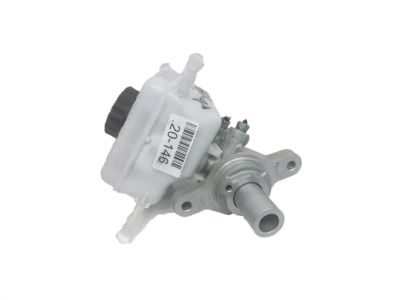
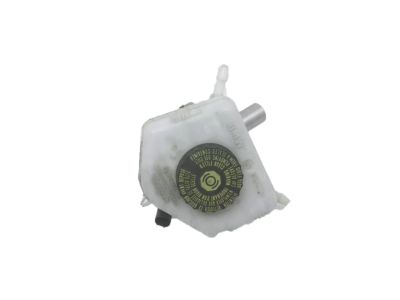
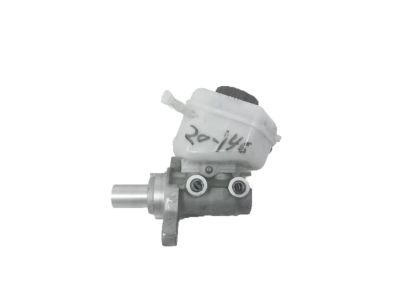
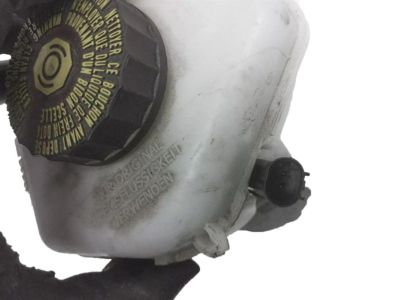
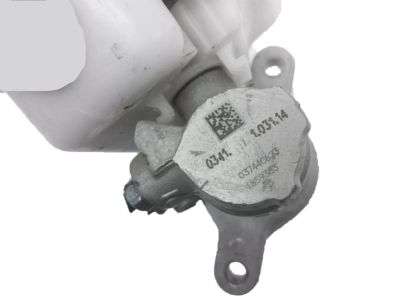
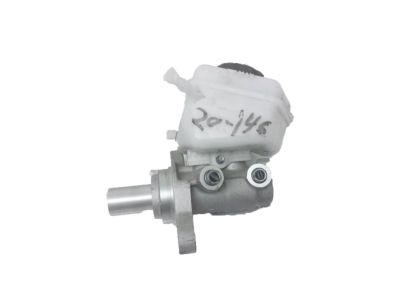
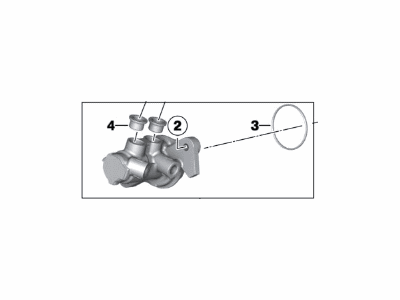
BMW 335i Brake Master Cylinder
Part Number: 34336851095$449.17 MSRP: $620.26You Save: $171.09 (28%)Ships in 1-3 Business Days
BMW 335i Brake Master Cylinder
Part Number: 34336785664$528.31 MSRP: $735.85You Save: $207.54 (29%)Ships in 1-3 Business Days
BMW 335i Brake Master Cylinder
The BMW 335i Brake Master Cylinder is a vital part of the car's braking system; accurately recognized for its efficiency. This Brake Master Cylinder transmits the pressure of the foot to the slave cylinders, thus enhances the brakes' effectiveness. This dual circuit master cylinder is made suitable for may BMW 335i models including coupes and convertibles; it has two pistons for the fail safe system: the braking will still work even if the hydraulics has failed. On this note it can be said that BMW 335i Brake Master Cylinder is important as it enhanced the two major components of car function namely safety and efficiency as it moves the calipers or drum brakes and enables the clutch to disengage. This makes sure that the drivers have a safe and sensitive touch on the brakes which are very necessary when controlling the BMW 335i as is indicated in the next. Some of the attributes of the Brake Master Cylinder are its durability and its accurate design which makes it to be one of the sterling features of the BMW 335i. Thus, the Brake Master Cylinder is unique in the automotive market because it offers a qualitatively identical performance in various modifications of the 335i model and under different driving conditions. The BMW 335i with this new Brake Master Cylinder is a car that creates an exciting prospect of a performance oriented, comfortable, and technologically superior car for both the enthusiast and the common driver.
If you are looking for OEM BMW 335i Brake Master Cylinder, we highly recommend to shop with us. Not only do we offer budget friendly prices, but we also provide fast delivery. In addition, we have a hassle-free return policy on all genuine BMW 335i Brake Master Cylinder that come backed by the manufacturer's warranty.
BMW 335i Brake Master Cylinder Parts Questions & Experts Answers
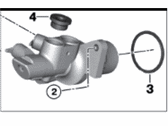
- Q:How to properly dispose of brake fluid and remove and reinstall the Brake Master Cylinder and brake fluid reservoir on BMW 335i?Posted by Jameel S.A:Brake fluid is toxic for the environment and it can cause corrosion therefore, it needs to be disposed of. The following process should be used to start the procedure; First, you have to take off the cabin microfilter housings and the left lower dashboard trim. Remove the brake fluid level sensor connector that is fixed on the brake fluid reservoir situated at the left rear of the engine compartment; unscrew the reservoir cap. When performing brake service use a new syringe to suck out the brake fluid reservoir and block all open brake fluid line and duct to avoid any leak and contamination. Pull the brake fluid reservoir sideways up and out of the two grommets. Relieve pressure in the brake booster by unbolting and separating the brake pedal from the push rod. Remove the brake master cylinder brake fluid, pull out the brake lines from the brake master cylinder and plug the ends to avoid contaminations, thereafter, unbolt the brake master cylinder from its mounting studs. When reinstalling be careful to check that nuts, fluid couplings, thread bores and mating services are clean. Install the brake master cylinder to the brake booster with a new sealing O-ring in place and tighten self-locking nuts; additionally, link the brake master cylinder pushrod and booster pushrod. Do not apply too much pressure when tightening the mounting nuts to guard against damaging the brake booster and in the process, causing a poor vacuum creation. Secure the brake master cylinder then fit the brake fluid lines, refit the fluid reservoir with new sealing grommits and secure the brake booster. The rest of the removal is done in the reverse order to the installation and it is recommended that new brake fluid is to be added as well as the entire brake system to be flushed.Answered by BMW Parts Specialist Koleman / Apr 18, 2022