×
- Hello
- Login or Register
- Quick Links
- Live Chat
- Track Order
- Parts Availability
- RMA
- Help Center
- Contact Us
- Shop for
- BMW Parts
- BMW Accessories

My Garage
My Account
Cart
Genuine BMW X5 Brake Master Cylinder
- Select Vehicle by Model
- Select Vehicle by VIN
Select Vehicle by Model
orSeries
Model
Year
Select Vehicle by VIN
For the most accurate results, select vehicle by your VIN (Vehicle Identification Number).
6 Brake Master Cylinders found
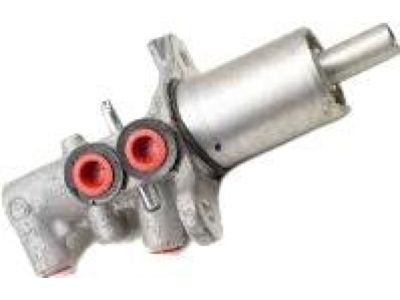
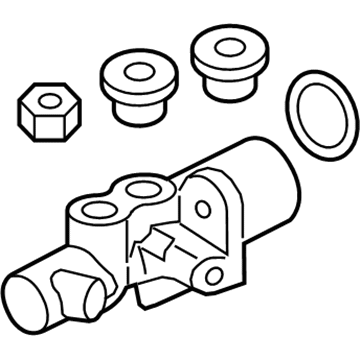
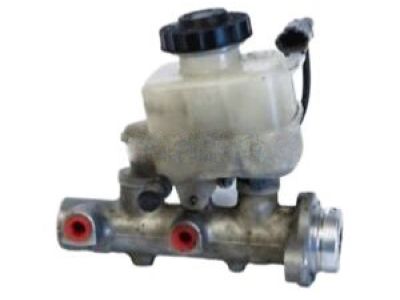
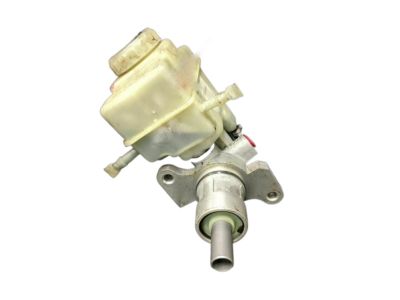
BMW X5 Brake Master Cylinder
Part Number: 34336861228$958.47 MSRP: $1334.98You Save: $376.51 (29%)Ships in 1-3 Business Days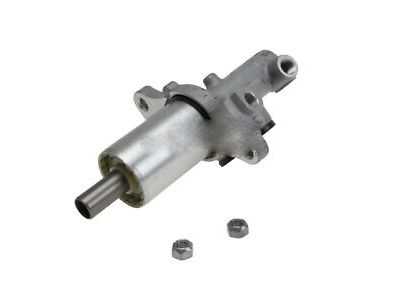
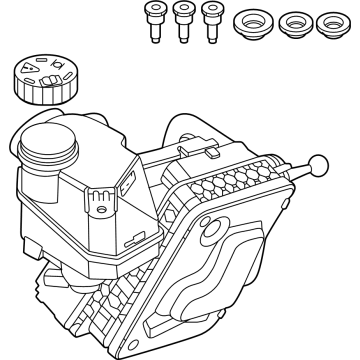
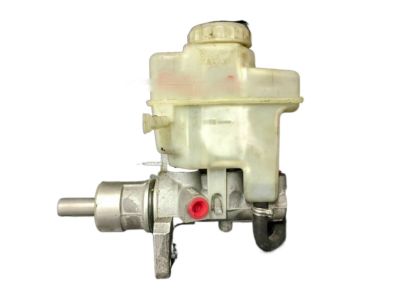
BMW X5 Power Brake
Part Number: 34505B3C888$1463.83 MSRP: $2038.87You Save: $575.04 (29%)Ships in 1-2 Business Days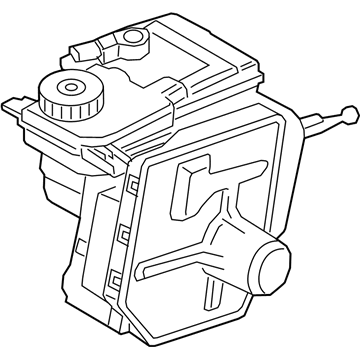
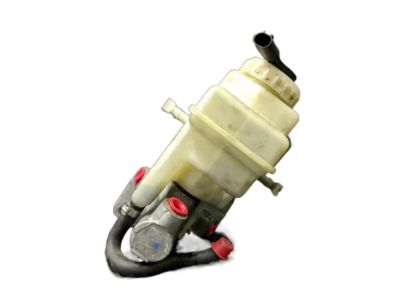
BMW X5 BRAKE BOOSTER
Part Number: 34515A7C5B9$1397.31 MSRP: $1946.23You Save: $548.92 (29%)Ships in 1-2 Business Days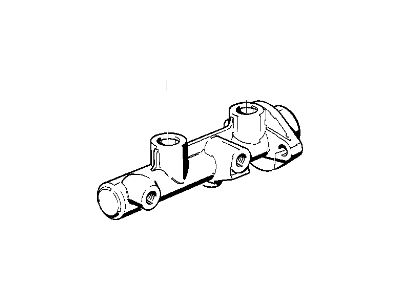
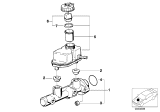
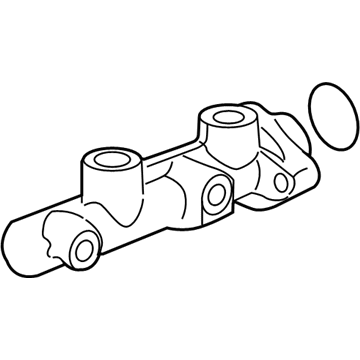
BMW X5 Brake Master Cylinder
Part Number: 34316757743$454.31 MSRP: $627.35You Save: $173.04 (28%)Ships in 1-3 Business Days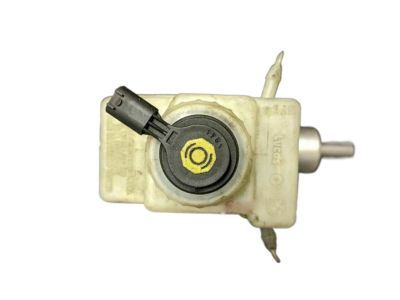
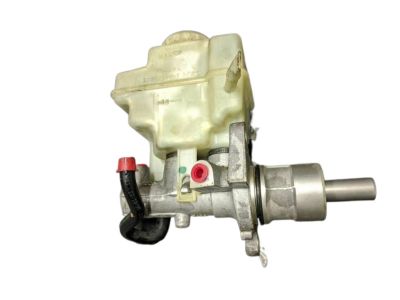
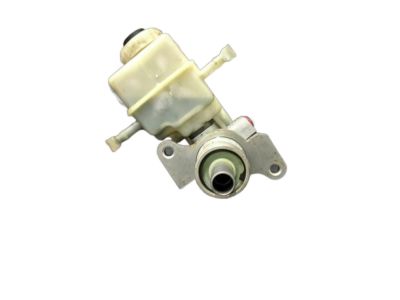
BMW X5 Brake Master Cylinder
The BMW X5 Brake Master Cylinder is the essential connection between your foot and the discs on every wheel. It converts the force of your foot into hydraulic pressure that squeezes the calipers and brings the SUV to a halt. In every X5, there is a Brake Master Cylinder that contains dual pistons in an aluminum or cast-iron bore. This means that if one of the hydraulic circuits fails, the other provides just enough pressure to safely stop the SUV. BMW puts the unit in front of the vacuum booster, allowing the use of a pushrod to move the pistons forward when you press the pedal and return springs to pull them back when you let off. Ports inside the Brake Master Cylinder maintain the flow of fluids from the top-mounted nylon or plastic reservoir, which has threaded caps for easy inspection. Over the X5 production run, BMW had both integral and external reservoir styles, the major difference being a built-in cap on the earlier cast-iron Brake Master Cylinder bodies versus the detached reservoirs sealed by O-rings on the later lightweight ones. Regardless of style, routine checks for pedal fade, fluid moisture, or wetness under the booster quickly show a tired Brake Master Cylinder and help BMW X5 owners keep their brakes confident.
If you are looking for OEM BMW X5 Brake Master Cylinder, we highly recommend to shop with us. Not only do we offer budget friendly prices, but we also provide fast delivery. In addition, we have a hassle-free return policy on all genuine BMW X5 Brake Master Cylinder that come backed by the manufacturer's warranty.
BMW X5 Brake Master Cylinder Parts Questions & Experts Answers
- Q:How to remove and reinstall the Brake Master Cylinder and brake fluid reservoir on the BMW X5?Posted by Milo F.A:Brake fluid is highly corrosive and dangerous to the environment, so it must be disposed of properly. When working at the brake fluid reservoir located at the left rear of the engine compartment, detach the brake fluid level sensor connector and remove the reservoir cap. Use a clean syringe to empty the brake fluid reservoir, then disconnect the DSC precharge pump supply line from the fluid reservoir, being prepared to catch any dripping fluid and securing the supply line in a vertical position to prevent excessive fluid loss. Plug open brake fluid lines and ducts to avoid leakage and contamination, then remove the brake fluid reservoir by tilting it sideways. Disconnect the brake master cylinder brake lines and plug them to prevent contamination, then remove the brake master cylinder by taking off the mounting nuts. During reinstallation, ensure that all nuts, fluid couplings, thread bores, and mating surfaces are clean. Mount the brake master cylinder to the brake booster using a new sealing O-ring and new self-locking nuts, making sure to align the brake master cylinder pushrod and booster pushrod. Avoid over-torquing the mounting nuts to prevent damage to the brake booster and ensure proper vacuum build-up. Connect the brake fluid lines to the brake master cylinder, reinstall the fluid reservoir with new sealing grommets, and reconnect the precharge pump fluid supply hose if applicable. The remainder of the installation follows the reverse order of removal. Finally, top up with fresh brake fluid and bleed the entire brake system.Answered by BMW Parts Specialist Armando / Jun 08, 2022
Related BMW X5 Parts


Browse by Year
2025 Brake Master Cylinder 2024 Brake Master Cylinder 2023 Brake Master Cylinder 2022 Brake Master Cylinder 2021 Brake Master Cylinder 2018 Brake Master Cylinder 2017 Brake Master Cylinder 2016 Brake Master Cylinder 2015 Brake Master Cylinder 2014 Brake Master Cylinder 2013 Brake Master Cylinder 2012 Brake Master Cylinder 2011 Brake Master Cylinder 2010 Brake Master Cylinder 2009 Brake Master Cylinder 2008 Brake Master Cylinder 2007 Brake Master Cylinder 2006 Brake Master Cylinder 2005 Brake Master Cylinder 2004 Brake Master Cylinder 2003 Brake Master Cylinder 2002 Brake Master Cylinder 2001 Brake Master Cylinder 2000 Brake Master Cylinder