×
- Hello
- Login or Register
- Quick Links
- Live Chat
- Track Order
- Parts Availability
- RMA
- Help Center
- Contact Us
- Shop for
- BMW Parts
- BMW Accessories

My Garage
My Account
Cart
Genuine BMW Z3 Alloy Wheels
Alloy Factory Wheels- Select Vehicle by Model
- Select Vehicle by VIN
Select Vehicle by Model
orSeries
Model
Year
Select Vehicle by VIN
For the most accurate results, select vehicle by your VIN (Vehicle Identification Number).
48 Alloy Wheels found
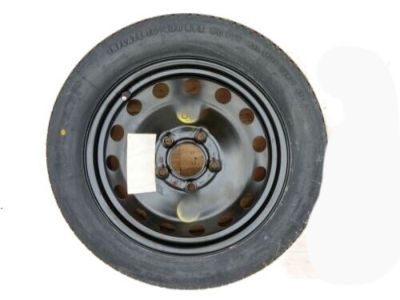
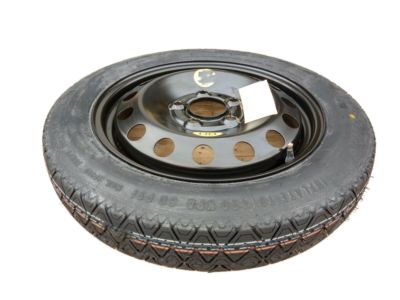
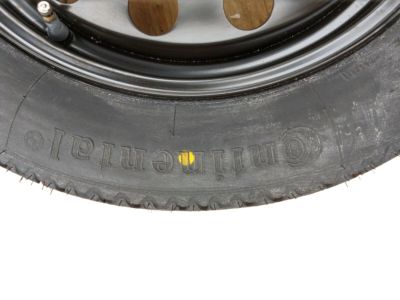

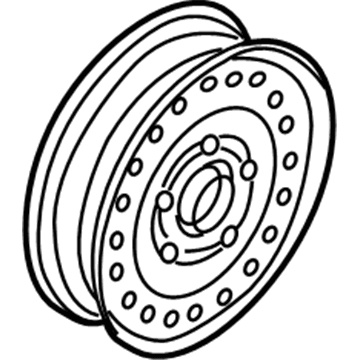
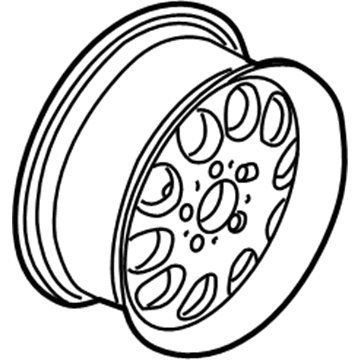
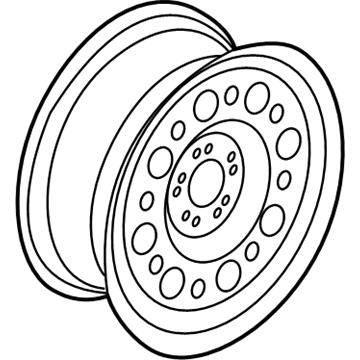
BMW Z3 Compact Spare Wheel, Steel, Black
Part Number: 36116750006$73.08 MSRP: $80.00You Save: $6.92 (9%)Ships in 1-3 Business Days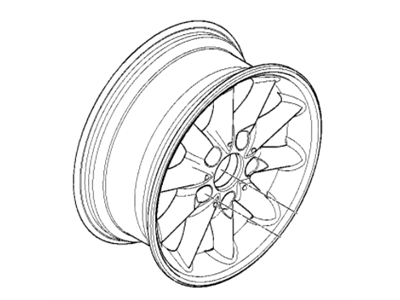
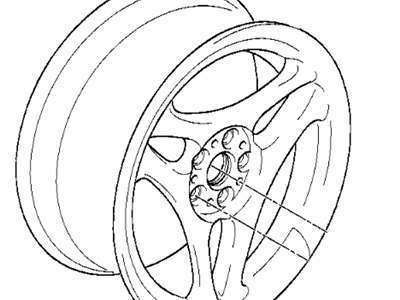
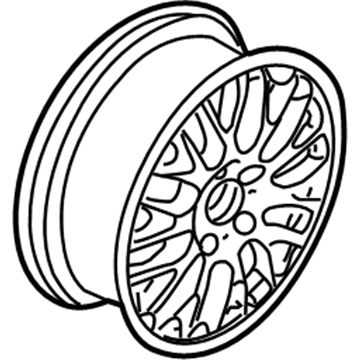
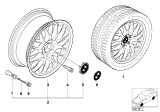
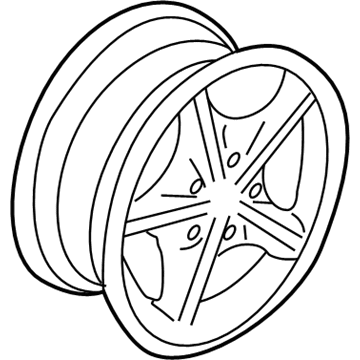
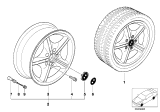
BMW Z3 Light Alloy Rim
Part Number: 36111094480$234.23 MSRP: $265.12You Save: $30.89 (12%)Ships in 1-3 Business Days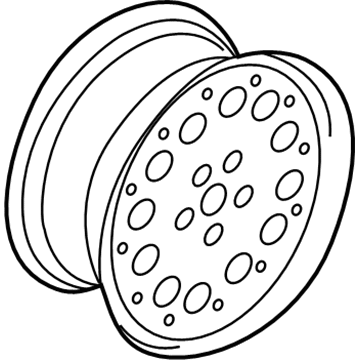
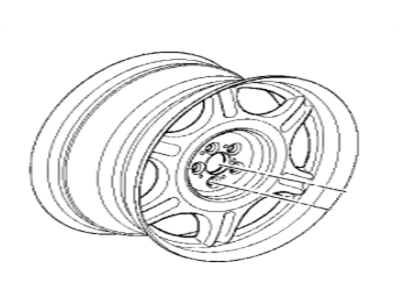
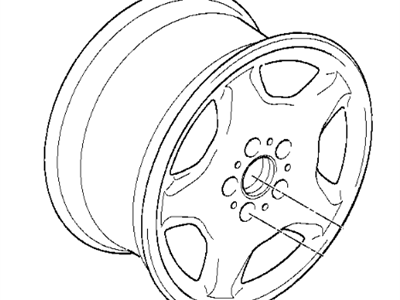
BMW Z3 Light Alloy Rim
Part Number: 36111092408$73.32 MSRP: $86.00You Save: $12.68 (15%)Ships in 1-3 Business Days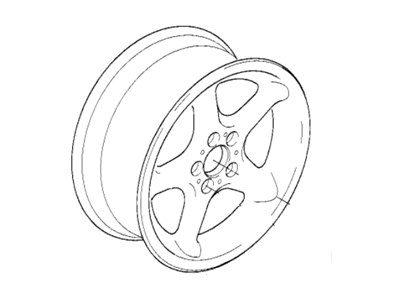
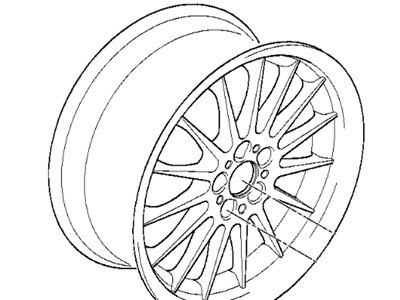
BMW Z3 Light Alloy Rim
Part Number: 36111092608$433.53 MSRP: $494.89You Save: $61.36 (13%)Ships in 1-3 Business Days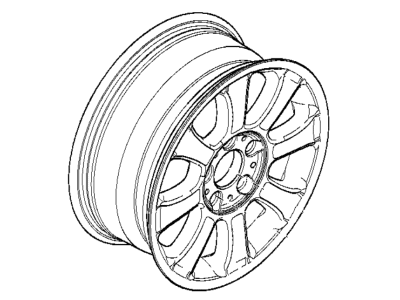
BMW Z3 Light Alloy Rim
Part Number: 36111096232$128.61 MSRP: $145.57You Save: $16.96 (12%)Ships in 1-3 Business Days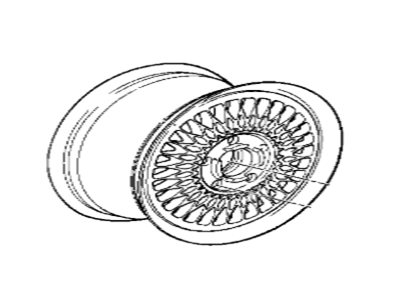

| Page 1 of 3 |Next >
1-20 of 48 Results
BMW Z3 Alloy Wheels
The Alloy Wheels are made from a blend of aluminum and magnesium that is lighter than steel. This allows the wheels to spin up faster and sharpen the steering while shedding heat from the brakes. This is crucial for the roadster to achieve its dynamic and sporty look. Over the course of the production run, BMW employed various Alloy Wheels designs for the Z3. These were made by forging and low or high pressure die casting or gravity casting, with each technique adjusting strength, mass, and surface finish. An owner can choose from the heavier forged piece for the rigidity for track-ready handling or the lighter cast version to keep costs lower while still trimming pounds. In addition, all of these options share a cleaner look that many owners prize. Specific versions of the BMW Z3 were fitted with wider Alloy Wheels. Throughout the years, the roadster wore different spoke patterns and diameters. However, the main differences are in the weight distribution and how well a wheel dissipates heat to maintain brake feel. If drivers don't frequently clean the Alloy Wheels, they will get corroded. Through optimal performance, aesthetics, and reliability, BMW made sure the Z3 behaves gracefully on the road and looks good too. The right Alloy Wheels are the trademark finishing touch for fans.
If you are looking for OEM BMW Z3 Alloy Wheels, we highly recommend to shop with us. Not only do we offer budget friendly prices, but we also provide fast delivery. In addition, we have a hassle-free return policy on all genuine BMW Z3 Alloy Wheels that come backed by the manufacturer's warranty.
BMW Z3 Alloy Wheels Parts Questions & Experts Answers
- Q:What are some practices for maintaining alloy wheels on BMW Z3?Posted by Stanley T.A:Various practices are involved in tire and wheel maintenance to maximize tire life and ensure safe driving. Use a torque wrench to tighten lug bolts crosswise and drive safely to avoid rapid accelerations, abrupt stops, hard cornering that may increase tire wear rates. Properly inflated tires, regular rotation of tires and checking for alignment periodically assist to enhance the life of your tires. You need frequent checks on your treads so as to correct things like bubbles, deep slashes or underinflation. When it comes to rotating their tires around, BMW tends not recommend this because of differences in suspension design between front and rear tires. However if desired, it ought to be done every 3000 miles (5000 km) taking into account carefully the tire pressures together with the spare tire's participation. While selecting appropriate tires for your vehicle, some important factors include; size, construction type, load rating and speed rating among others. Slippery conditions require snow tires while four snow tires should be used for stability since they can affect non-snow performance of a vehicle. Tire storage is proper when they are kept inflated in a cool dry place away from an upright position. Tread wear indicators along with tread depth gauges or Lincoln penny checks can also indicate when you need new ones. To avoid damage or scratches you should use mild soap when cleaning magnesium, aluminum alloy or sport wheels which should not come into contact with abrasive cleaners or harsh chemicals including salt and sand damage during winter where removing the wheels helps in protecting them from these damages however this is such special care required for magnesium-alloyed aluminum wheels etcetera unlike lug nut torques which should always remain the same according to the manufacturer's guidelines.Answered by BMW Parts Specialist Noah / Aug 17, 2025