×
- Hello
- Login or Register
- Quick Links
- Live Chat
- Track Order
- Parts Availability
- RMA
- Help Center
- Contact Us
- Shop for
- BMW Parts
- BMW Accessories

My Garage
My Account
Cart
Genuine BMW Z4 Brake Booster
Brake Power Booster- Select Vehicle by Model
- Select Vehicle by VIN
Select Vehicle by Model
orSeries
Model
Year
Select Vehicle by VIN
For the most accurate results, select vehicle by your VIN (Vehicle Identification Number).
4 Brake Boosters found
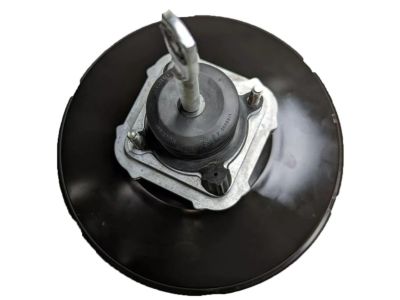
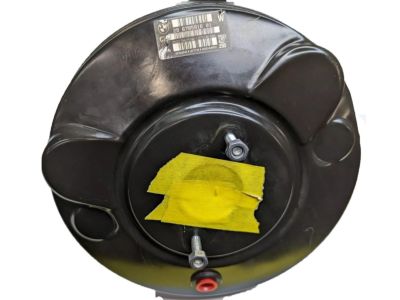
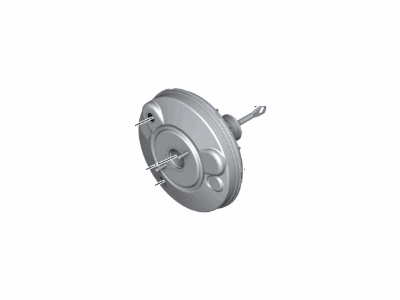
BMW Z4 Power Brake Booster
Part Number: 34336786750$483.69 MSRP: $673.69You Save: $190.00 (29%)Ships in 1-3 Business Days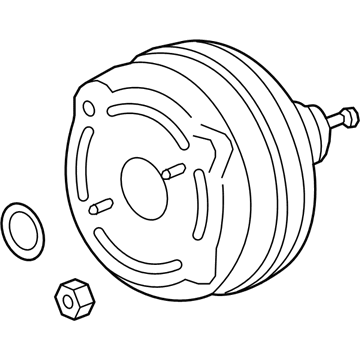
BMW Z4 REPAIR KIT POWER BRAKE UNIT
Part Number: 34336889796$507.88 MSRP: $707.39You Save: $199.51 (29%)Ships in 1-3 Business DaysBMW Z4 REPAIR KIT POWER BRAKE UNIT
Part Number: 34336889801$507.88 MSRP: $707.39You Save: $199.51 (29%)Ships in 1-3 Business Days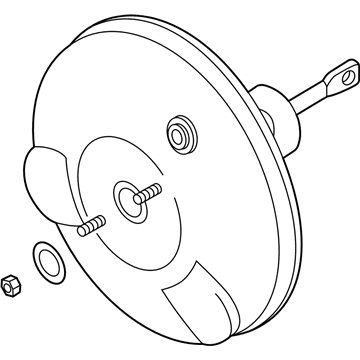
BMW Z4 Power Brake Booster
Part Number: 34336779681$597.68 MSRP: $759.01You Save: $161.33 (22%)Ships in 1-3 Business Days
BMW Z4 Brake Booster
BMW Z4 Brake Booster lightens pedal effort by multiplying the force you apply, providing the roadster with confident stopping power. Located between the master cylinder and pivoting pedal, the pressure sensor features a diaphragm and piston to react to changes in pressure. Several early models of the BMW Z4 use a vacuum operated Brake Booster. When you press the pedal, manifold vacuum is drawn into the front chamber, and air from outside is admitted into the rear chamber. The resulting pressure difference creates a push on the piston which sends high hydraulic pressure to the calipers. Later versions of the BMW Z4, particularly those that use electrically driven steering pumps, utilize a hydraulic-style Brake Booster which draws pressurized fluid from the steering or dedicated electric pump to provide assist. This design is popular because it delivers consistent help even when engine vacuum is low during turbo boost or cold starts. Both versions aim for the same objective. However, the vacuum unit, which relies on engine suction, can only provide a few assisted stops after stall. In contrast, the hydraulic unit is able to maintain this aid until system pressure remains available. Routine checks of the BMW Z4 Brake Booster seals should be undertaken so the Brake Booster can consistently deliver a firm pedal feel.
If you are looking for OEM BMW Z4 Brake Booster, we highly recommend to shop with us. Not only do we offer budget friendly prices, but we also provide fast delivery. In addition, we have a hassle-free return policy on all genuine BMW Z4 Brake Booster that come backed by the manufacturer's warranty.
BMW Z4 Brake Booster Parts Questions & Experts Answers
- Q:What are the steps and considerations for removing and testing the power brake booster equipped with ABS and traction control on BMW Z4?Posted by Tianyi L.A:On models equipped with ABS and Traction control or Dynamic stability control, removing the power brake booster requires the removal of the ABS/ASC+T or DSC control unit, and this task should only be performed by a BMW dealer or a suitably equipped specialist due to the need for special diagnostic equipment. To test the power brake booster, depress the brake several times to remove the vacuum, then start the engine while keeping the pedal firmly depressed; a noticeable give in the brake pedal should occur as vacuum increases. After allowing the engine to run for at least two minutes, the brake pedal should feel normal upon depression, with subsequent applications resulting in a firmer feel and decreased pedal stroke. If the booster does not operate, inspect the check valve; if it still fails, the unit must be replaced as repairs are not possible. For removal, new retaining nuts will be required upon installation. Begin by removing the master cylinder, disconnecting the vacuum hose from the check valve, loosening and removing the retaining screws of the driver's side lower dash panel, unhooking the brake pedal return spring, and removing the clevis pin securing the pedal to the pushrod. Next, loosen and remove the retaining nuts and take the power brake booster out of the vehicle. For installation, follow the reverse order of removal while checking the check valve sealing grommet for damage, transferring sound insulation material from the original booster if a new one is installed, ensuring correct engagement of the pushrod with the brake pedal, tightening the new retaining nuts to the specified torque, applying grease to the clevis pin, and securing it with the retaining clip. Finally, reinstall the master cylinder and brake-light switch, then start the engine to check for air leaks at the vacuum hose connection and verify the operation of the braking system.Answered by BMW Parts Specialist Armando / Apr 28, 2024
Related BMW Z4 Parts


Browse by Year
2025 Brake Booster 2024 Brake Booster 2023 Brake Booster 2022 Brake Booster 2021 Brake Booster 2020 Brake Booster 2019 Brake Booster 2016 Brake Booster 2015 Brake Booster 2014 Brake Booster 2013 Brake Booster 2012 Brake Booster 2011 Brake Booster 2010 Brake Booster 2009 Brake Booster 2008 Brake Booster 2007 Brake Booster 2006 Brake Booster 2005 Brake Booster 2004 Brake Booster 2003 Brake Booster