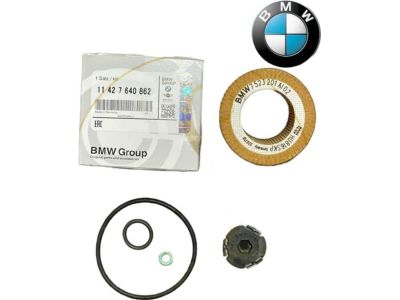
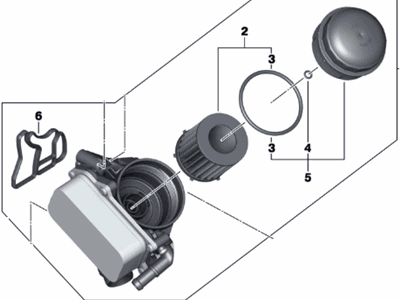
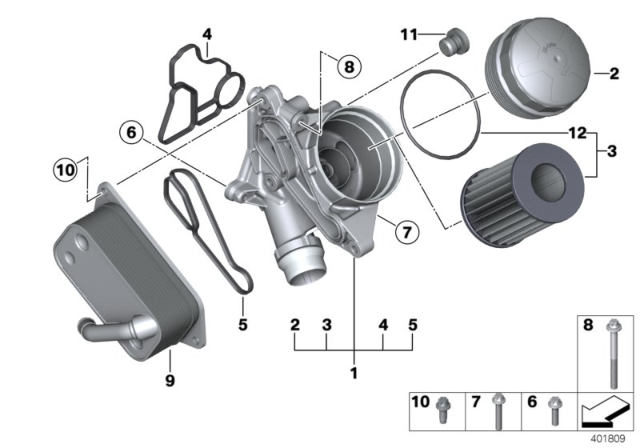
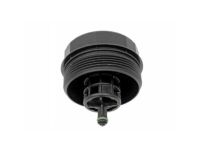
When performing oil changes, ensure that the engine oil drain plug is started and torqued by hand tools only, since power tools can strip the threads of the drain plug and oil pan. Complete oil change consists of adding new oil, a new filter insert kit, a new sealing washer for the drain plug. Start the engine and let it run for a few minutes to warm the oil, then switch off the engine. Using an oil filter cap wrench, loosen and remove the oil filter housing cover and take the filter cartridge out. Discard the O-ring. Lift the vehicle and support it securely, and then look for the opening at the back of the engine splash shield that exposes the drain plug. To begin your oil change, take a drain pan and position it under the oil drain plug. Next, with the help of a socket or box wrench, you will loosen the oil drain plug. Finally, remove the oil plug by hand, which will cause the oil to start draining into your pan. After the oil flow has slowed to a drip, replace the drain plug, using a new drain plug for plastic sump engines and a new metal sealing washer for metal sump engines, as applicable, to torque. Make sure the drain plug in plastic is correctly seated and locked in place. If the torque specified does not tighten the drain plug, it may have been incorrectly installed and the locking flanges must be correctly aligned with the openings in the oil sump. Lubricate the new oil filter O-ring and filter cartridge for installation in the oil filter housing cover. Tighten the housing cover. Oil capacity of crankcase refilled of engine with oil Make sure to briefly run the engine before switching it off. Wait a few minutes to check the level now. Refer vehicle user manual for important features and functions including engine oil level measurement using instrument cluster display. Ensure vehicle is parked on level ground, and run engine until it reaches operating temperature, set engine speed to 1100 RPM for 3 mins. Now note down engine oil level on instrument cluster display.