×
- Hello
- Login or Register
- Quick Links
- Live Chat
- Track Order
- Parts Availability
- RMA
- Help Center
- Contact Us
- Shop for
- BMW Parts
- BMW Accessories

My Garage
My Account
Cart
Genuine 2006 BMW X3 Wheel Bearing
Hub Bearing- Select Vehicle by Model
- Select Vehicle by VIN
Select Vehicle by Model
orSeries
Model
Year
Select Vehicle by VIN
For the most accurate results, select vehicle by your VIN (Vehicle Identification Number).
3 Wheel Bearings found
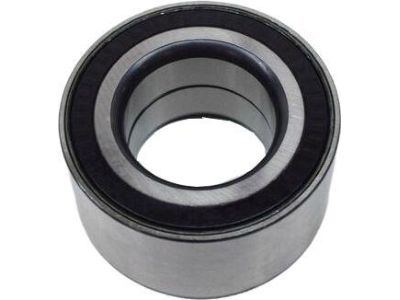
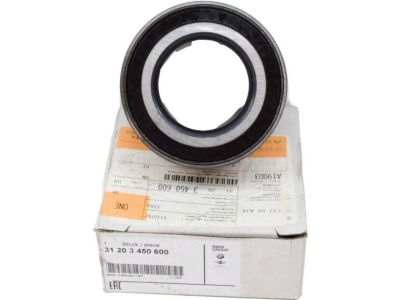
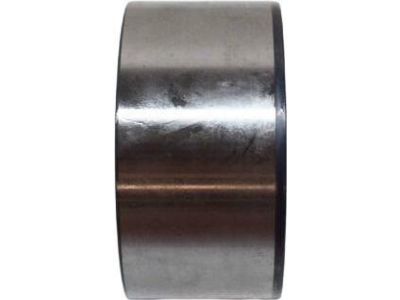
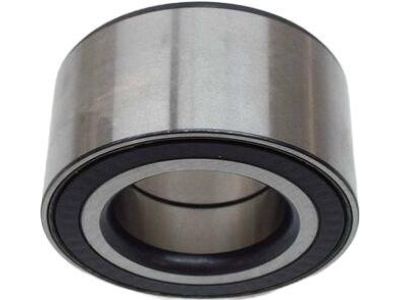
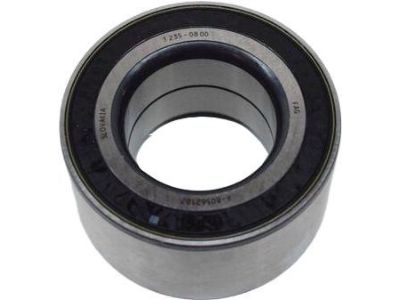
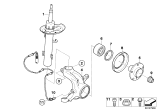
2006 BMW X3 Angular Contact Ball Bearing,Radial
Part Number: 31203450600$112.78 MSRP: $162.31You Save: $49.53 (31%)Ships in 1-3 Business DaysProduct Specifications- Other Name: Bearing, Front Wheel Bearing
- Replaces: 31-21-3-413-946
- Item Weight: 2.00 Pounds
- Condition: New
- Fitment Type: Direct Replacement
- Require Quantity: 2
- SKU: 31203450600
- Warranty: This genuine part is guaranteed by BMW's factory warranty.
2006 BMW X3 Angular Contact Ball Bearing,Radial
Part Number: 33411090505$105.34 MSRP: $107.23You Save: $1.89 (2%)Ships in 1-3 Business DaysProduct Specifications- Replaces: 33-41-1-468-904, 33-41-1-137-685, 33-41-8-310-640
- Item Weight: 2.00 Pounds
- Condition: New
- Fitment Type: Direct Replacement
- Require Quantity: 2
- SKU: 33411090505
- Warranty: This genuine part is guaranteed by BMW's factory warranty.
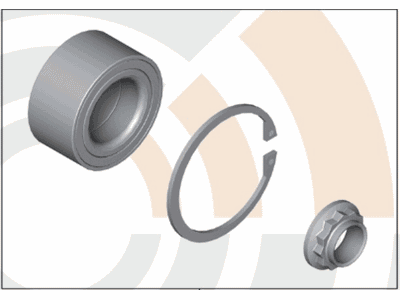
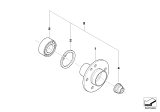
2006 BMW X3 Service Kit, Wheel Bearing, Rear
Part Number: 33412295519$92.10 MSRP: $124.00You Save: $31.90 (26%)Ships in 1-3 Business DaysProduct Specifications- Position: Rear
- Item Weight: 2.00 Pounds
- Condition: New
- Fitment Type: Direct Replacement
- Require Quantity: 2
- SKU: 33412295519
- Warranty: This genuine part is guaranteed by BMW's factory warranty.
2006 BMW X3 Wheel Bearing
Are you in need of a high-quality yet affordable OEM 2006 BMW X3 Wheel Bearing? Look no further. Our website boasts an extensive selection of genuine 2006 BMW X3 Wheel Bearing, all priced competitively. Plus, our top-notch customer service and speedy delivery options ensure a seamless shopping experience for you.
2006 BMW X3 Wheel Bearing Parts Questions & Experts Answers
- Q:How to replace the rear wheel bearing on 2006 BMW X3?Posted by Bernd A.A:Raise the vehicle and remove the rear wheel, then use a suitable drift to release the staked side of the axle nut. Remove the center cap and reinstall the wheel before lowering the vehicle to the ground. With an assistant holding down the brake, remove the collar axle nut, ensuring not to reuse it. Raise the vehicle again and remove the rear wheel, followed by the rear brake line bracket mounting bolt to detach the bracket from the trailing arm. Remove the brake calipers and brake discs, hanging the calipers aside with stiff wire without disconnecting the brake fluid hoses. Unclip the brake pad sensor harnesses from the control arm and lay them aside, then remove the wheel speed sensor from the trailing arm. Next, remove the rear drive axle and the wheel hub using special tools and five wheel bolts, ensuring the rounded inside edge of the special tool is positioned towards the wheel hub. Use snap ring pliers to remove the wheel bearing circlip, then utilize BMW bearing extraction tools to pull the bearing assembly out of the trailing arm bearing housing. Inspect the bearing housing for damage or contamination, cleaning the housing bore thoroughly before installing the new bearing. Ensure mating surfaces are clean and install the new bearing assembly using press tools, followed by the new circlip. Apply force only to the outer race during installation, ensuring the bearing is pressed in sufficiently to contact the shoulder at the back of the housing and that the circlip is fully seated in its groove. Press the wheel hub into the bearing using press tools, taking care to support the bearing inner race if using alternative tools. The installation process is the reverse of removal, remembering to adjust the parking brake and tighten the drive axle collar nut to the final torque with the road wheel installed and the vehicle lowered.Answered by BMW Parts Specialist Adrian / May 03, 2025
Related 2006 BMW X3 Parts
 2006 BMW X3 Drive Shaft
 2006 BMW X3 Differential
 2006 BMW X3 CV Boot
 2006 BMW X3 ABS Sensor
 2006 BMW X3 Axle Shaft