×
- Hello
- Login or Register
- Quick Links
- Live Chat
- Track Order
- Parts Availability
- RMA
- Help Center
- Contact Us
- Shop for
- BMW Parts
- BMW Accessories

My Garage
My Account
Cart
Genuine 2009 BMW 335i Fuel Pump
Gas Pump- Select Vehicle by Model
- Select Vehicle by VIN
Select Vehicle by Model
orSeries
Model
Year
Select Vehicle by VIN
For the most accurate results, select vehicle by your VIN (Vehicle Identification Number).
1 Fuel Pump found
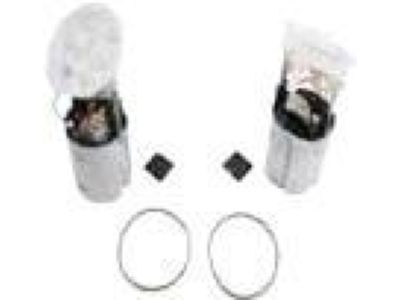
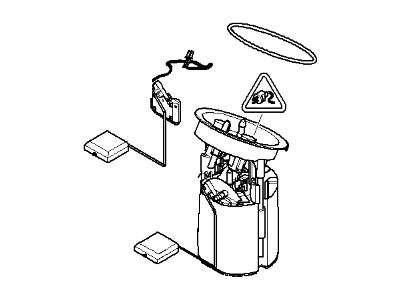
2009 BMW 335i Right Fuel Pump W/Sending Unit
Part Number: 16147163298$402.95 MSRP: $556.44You Save: $153.49 (28%)Ships in 1-2 Business DaysProduct Specifications- Other Name: Repair Kit, Fuel Pump/Fuel Level Sensor; Fuel Pump
- Position: Passenger Side
- Item Weight: 3.00 Pounds
- Condition: New
- Fitment Type: Direct Replacement
- SKU: 16147163298
- Warranty: This genuine part is guaranteed by BMW's factory warranty.
2009 BMW 335i Fuel Pump
Are you in need of a high-quality yet affordable OEM 2009 BMW 335i Fuel Pump? Look no further. Our website boasts an extensive selection of genuine 2009 BMW 335i Fuel Pump, all priced competitively. Plus, our top-notch customer service and speedy delivery options ensure a seamless shopping experience for you.
2009 BMW 335i Fuel Pump Parts Questions & Experts Answers
- Q:How to remove and install the high-pressure fuel pump on the Bosch N55 six-cylinder engine in the 2009 BMW 335i?Posted by Deyaa A.A:Remove the intake manifold and the vacuum line from the vacuum pump. Disconnect the connector from the high-pressure pump and oil temperature sensor, and discard the aluminum fasteners for the fuel supply line. Move the electrical harness to access the fasteners, then loosen the fuel supply line fitting, disconnect the fuel supply line from the quick-disconnect fitting, and remove it. Loosen the fasteners and remove the fuel line, then take out the fasteners and pull the pump up and out, ensuring the pump tappet does not fall during removal. Before installing the high-pressure pump on N55 engines, turn the high-pressure pump drive within the vacuum pump to bottom dead center. Lay a depth gauge flat on the flange for the high-pressure pump and rotate the engine at the crankshaft belt drive in a clockwise direction until the depth gauge indicates the camshaft lobe within the vacuum pump is at its lowest position. Replace the high-pressure pump O-ring and coat it with engine oil, then install the pump on the vacuum pump, drawing it down by tightening the fasteners alternately in stages. When the pump is flush with the mounting flange, tighten the fasteners to the final torque, taking care to tighten them in equal increments to avoid damage. For the pump-to-fuel rail fuel line, coat the connections with transmission fluid, install the fuel line, and tighten the nuts finger tight before securing them to the proper torque. Install the fuel supply line with new aluminum fasteners, coat the connection with transmission fluid, and ensure the fuel hose clicks into position before tightening the nut to the proper torque and securing the fuel line bracket fasteners. Reinstall the vacuum line to the vacuum pump, reconnect the high-pressure pump and oil temperature sensor, reassemble the engine, check the fuel system for leaks, and verify that there are no fault codes while resetting the ECM memory.Answered by BMW Parts Specialist Javier / Mar 01, 2024
Related 2009 BMW 335i Parts
 2009 BMW 335i Throttle Body
 2009 BMW 335i Fuel Tank
 2009 BMW 335i Fuel Injector
 2009 BMW 335i Fuel Rail
 2009 BMW 335i Throttle Body Gasket
 2009 BMW 335i Fuel Injector O-Ring
 2009 BMW 335i Vacuum Pump