×
- Hello
- Login or Register
- Quick Links
- Live Chat
- Track Order
- Parts Availability
- RMA
- Help Center
- Contact Us
- Shop for
- BMW Parts
- BMW Accessories

My Garage
My Account
Cart
Genuine BMW 335i Coolant Temperature Sensor
Coolant Water Temperature Sensor- Select Vehicle by Model
- Select Vehicle by VIN
Select Vehicle by Model
orSeries
Model
Year
Select Vehicle by VIN
For the most accurate results, select vehicle by your VIN (Vehicle Identification Number).
2 Coolant Temperature Sensors found
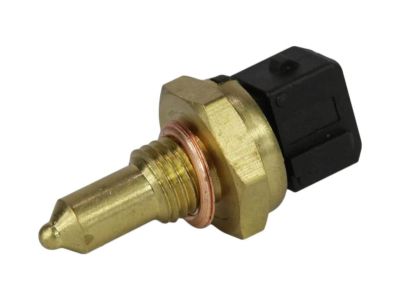
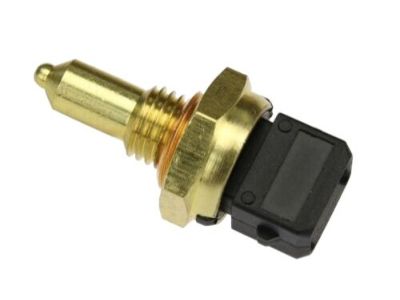
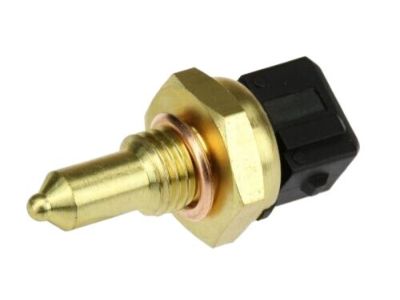
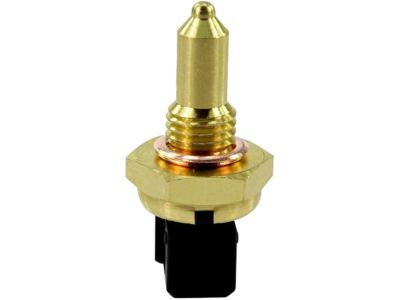
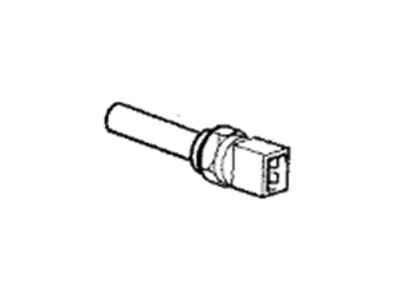
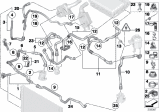
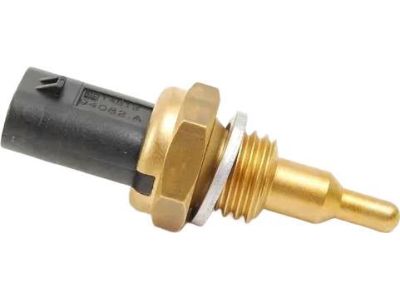
BMW 335i Temperature Sensor Water/Oil
Part Number: 13621433076$46.66 MSRP: $66.05You Save: $19.39 (30%)Ships in 1-3 Business Days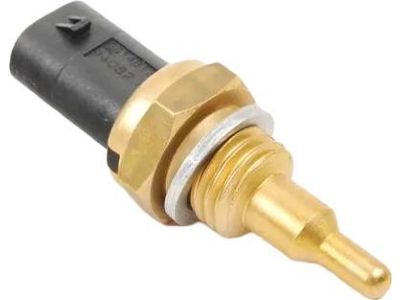
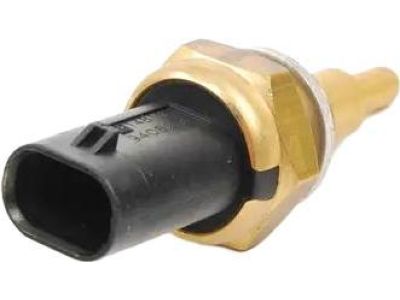
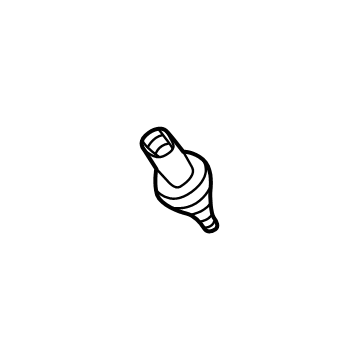
BMW 335i Temperature Sensor Water/Oil
Part Number: 13627580635$46.66 MSRP: $66.05You Save: $19.39 (30%)Ships in 1-3 Business Days
BMW 335i Coolant Temperature Sensor
The Coolant Temperature Sensor of a BMW 335i provides a digital thermometer that will tell the computer in the engine how warm the coolant really is so the car can fine-tune fuel, spark and fan operation. Concealed within a coolant passage, the Coolant Temperature Sensor is a negative temperature coefficient thermistor, which means that as the temperature rises, the electrical resistance drops. A steady five-volt signal is sent into the Coolant Temperature Sensor from the engine control module, which reads the return voltage. The control module essentially translates the resistance measured to precision temperature data. Earlier models of the 335i made use of a simpler coolant switch that merely opened or shut when the preset temperature was reached. It was only appropriate for on-off tasks, for example, cold start fuel heaters and more. Later cars standardized the continuously variable Coolant Temperature Sensor so the computer could smoothly adjust injector pulse width, idle speed, EGR, purge valves and torque converter lockup. All BMW 335i cars built after the switch era have a single Coolant Temperature Sensor, which feeds the dashboard gauge as well. No matter the model year, all 335i vehicles utilize relays to manage high current draw devices like the radiator fan. This design prevents overloads and ensures instantaneous relay response when the Coolant Temperature Sensor signals increased temperature. Thanks to real-time feedback, the BMW engine remains efficient, powerful, well-protected and reliable.
If you are looking for OEM BMW 335i Coolant Temperature Sensor, we highly recommend to shop with us. Not only do we offer budget friendly prices, but we also provide fast delivery. In addition, we have a hassle-free return policy on all genuine BMW 335i Coolant Temperature Sensor that come backed by the manufacturer's warranty.
BMW 335i Coolant Temperature Sensor Parts Questions & Experts Answers
- Q:What is the function and installation process of the coolant temperature sensor in the N54 six cylinder engine on BMW 335i?Posted by Rodney N.A:A common sensor is the engine coolant temperature (ECT), which is an NTC sensor, in which resistance opposes the temperature variation of the coolant. There is no reference current; it takes a 5-volt reference voltage, and any variation in the voltage drop across the sensor corresponds to coolant temperature changes. Where the ECT sensor input is either bad or unrealistic, the MIL turns on whenever OBD II fault thresholds are reached; the ECM replaces 80°C (176°F) as a minimum for engine running; ignition timing is set to a baseline maximum. The ECT sensor is located factor to the cylinder head below the throttle body. It is to be taken off by putting the rubber line in position and unscrewing the fastener using a screwdriver, while being ready to collect dripping fluids if the engine is still hot. Once the electrical connector is removed, you have to remove a couple of bolts to pull off the ECT sensor from the cylinder head; some coolant will drip, so be prepared. For removal, unscrew from the engine block and unbolt from the coolant line, while for installation reverse the process and add new copper sealing washer for the sensor, check and replace if necessary the O-rings on the coolant line and refill the lost coolant. Last of all look for any fault code and clear any that might have been stored in the ECM memory after replacement.Answered by BMW Parts Specialist Chaz / Jul 29, 2023
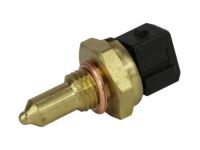
Related BMW 335i Parts
 BMW 335i Oxygen Sensor
 BMW 335i Knock Sensor
 BMW 335i MAP Sensor
 BMW 335i Mass Air Flow Sensor
 BMW 335i Crankshaft Position Sensor
 BMW 335i Camshaft Position Sensor
 BMW 335i Parking Assist Distance Sensor
 BMW 335i Temperature Sender