×
- Hello
- Login or Register
- Quick Links
- Live Chat
- Track Order
- Parts Availability
- RMA
- Help Center
- Contact Us
- Shop for
- BMW Parts
- BMW Accessories

My Garage
My Account
Cart
Genuine BMW 335i Cooling Hose
Cooling System Hose- Select Vehicle by Model
- Select Vehicle by VIN
Select Vehicle by Model
orSeries
Model
Year
Select Vehicle by VIN
For the most accurate results, select vehicle by your VIN (Vehicle Identification Number).
34 Cooling Hoses found
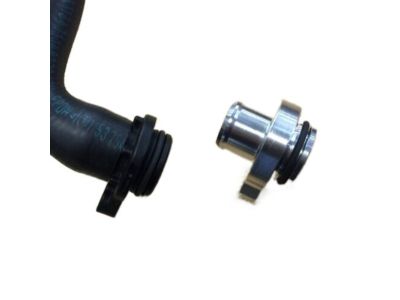
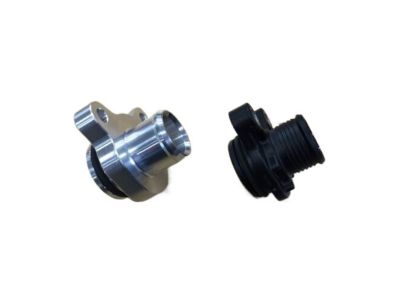
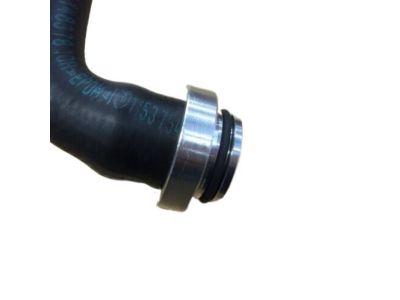
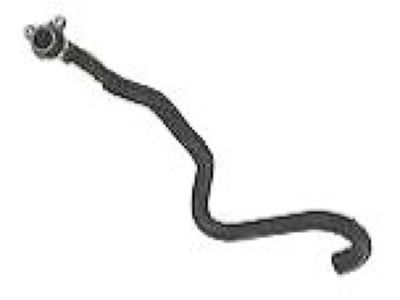
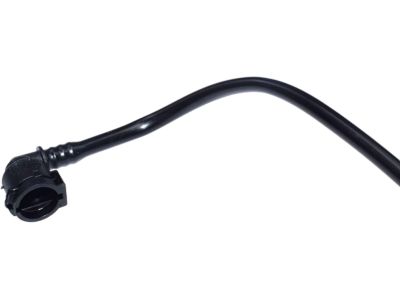
BMW 335i Water Hose
Part Number: 11537541992$72.50 MSRP: $104.34You Save: $31.84 (31%)Ships in 1-3 Business Days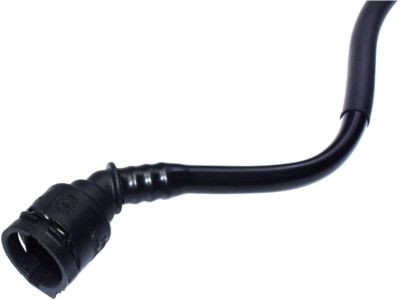
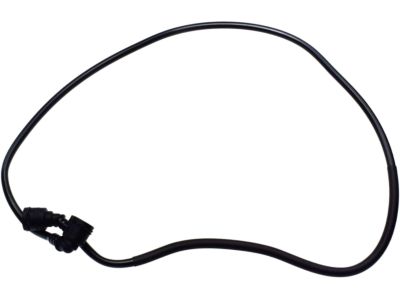
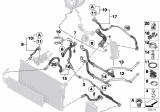
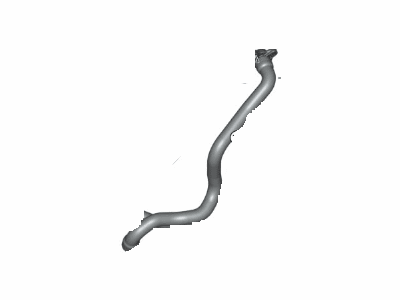
BMW 335i Coolant Hose - Return Line
Part Number: 17128570061$41.36 MSRP: $54.77You Save: $13.41 (25%)Ships in 1-3 Business Days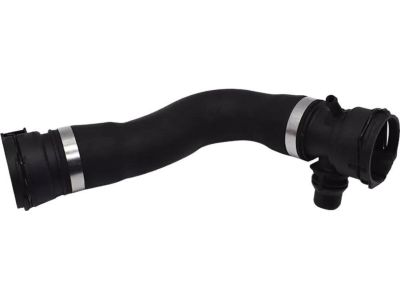
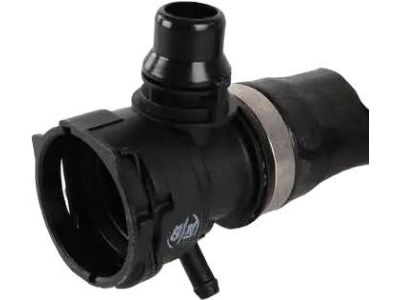
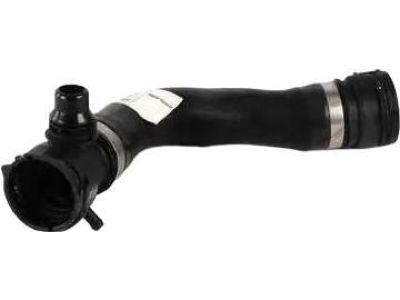
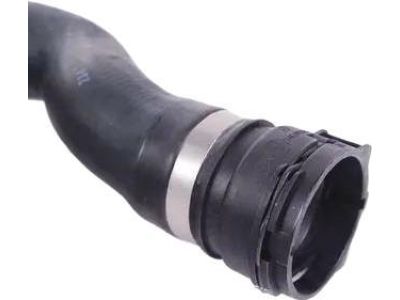
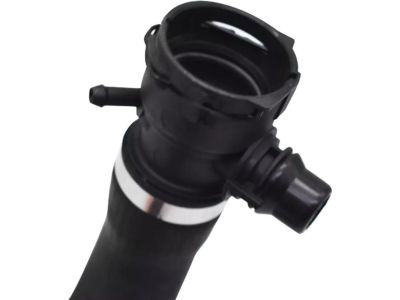
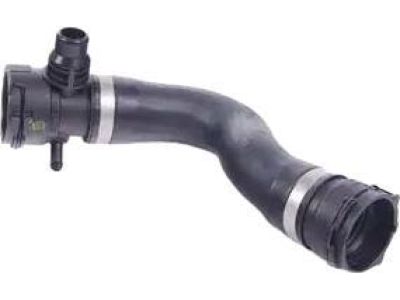
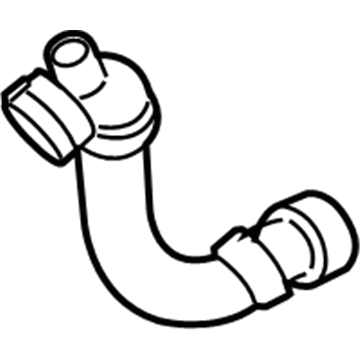
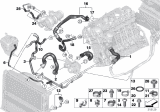
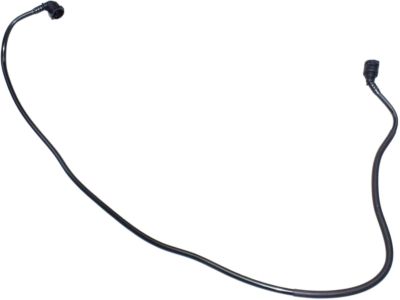
BMW 335i Engine Feed Radiator Upper Hose
Part Number: 17127540127$75.25 MSRP: $99.65You Save: $24.40 (25%)Ships in 1-3 Business Days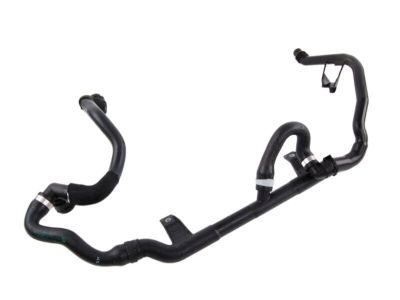
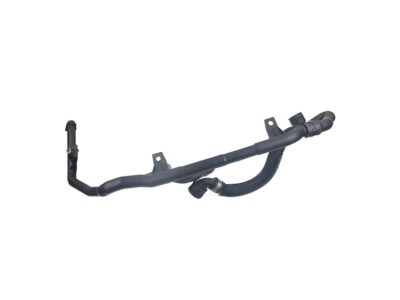
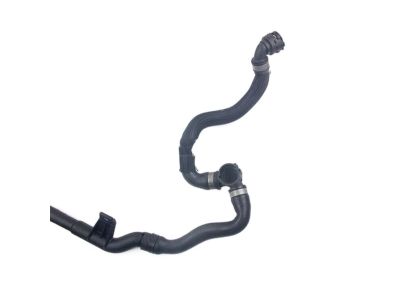
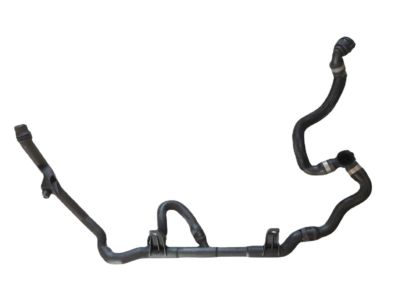
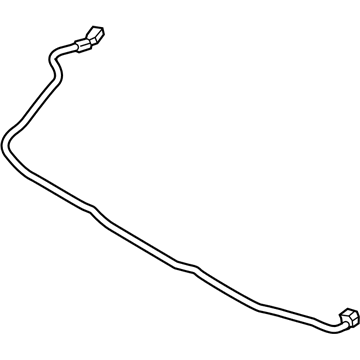
BMW 335i Heater Return Thermostat Hose
Part Number: 17127548230$141.08 MSRP: $166.33You Save: $25.25 (16%)Ships in 1-2 Business Days
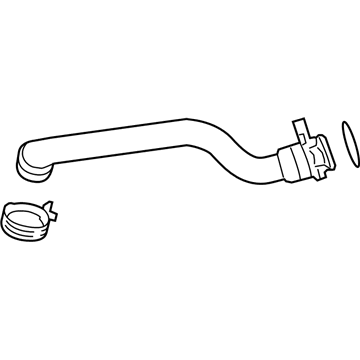
BMW 335i Coolant Hose
Part Number: 11537584549$72.50 MSRP: $104.34You Save: $31.84 (31%)Ships in 1 Business Day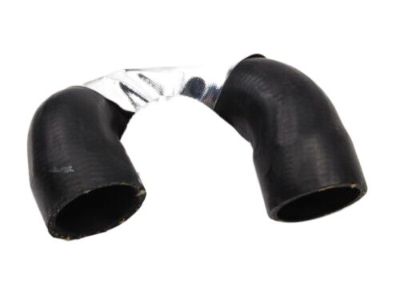
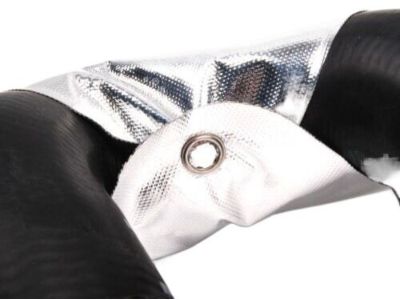
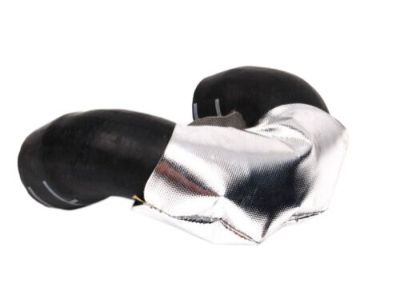
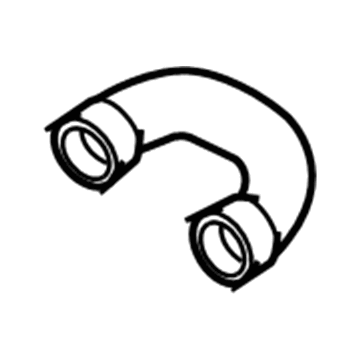
BMW 335i Thermostat Water Coolant Hose
Part Number: 11537545665$56.72 MSRP: $80.29You Save: $23.57 (30%)Ships in 1-2 Business Days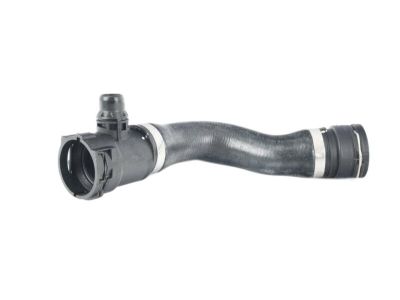
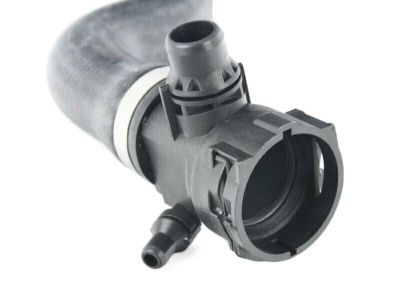
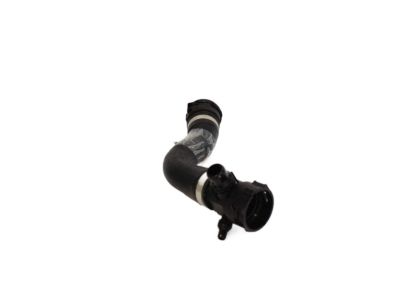
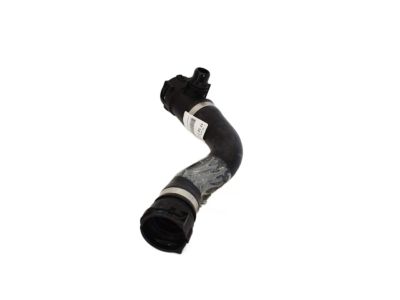
BMW 335i Radiator Upper Coolant Hose
Part Number: 17127604542$75.25 MSRP: $99.65You Save: $24.40 (25%)Ships in 1-3 Business Days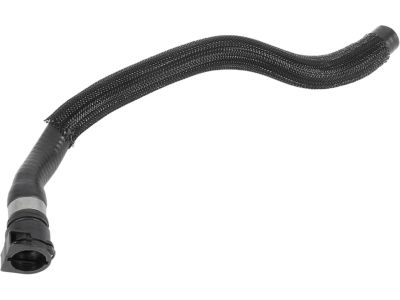
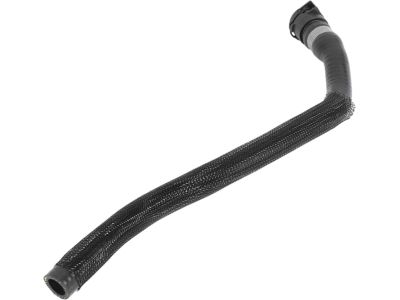
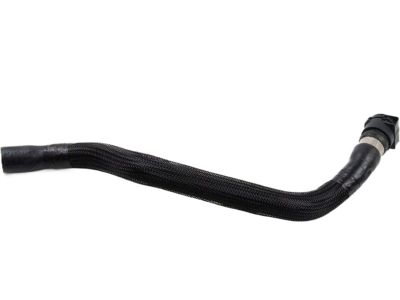
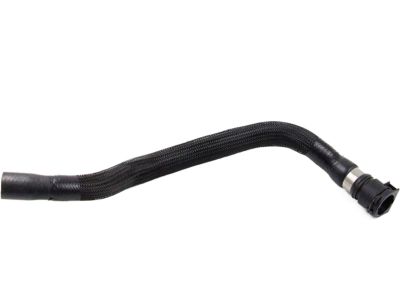
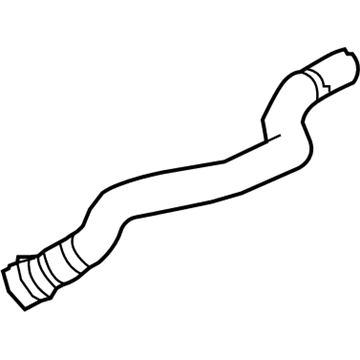
BMW 335i Radiator Coolant Hose
Part Number: 17127548203$60.19 MSRP: $79.71You Save: $19.52 (25%)Ships in 1-2 Business Days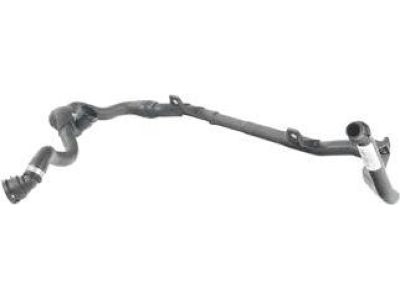
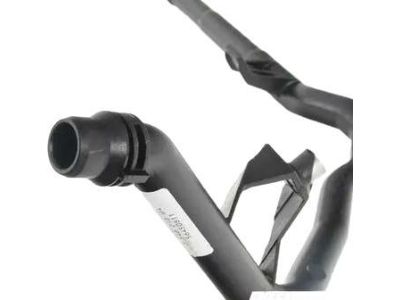
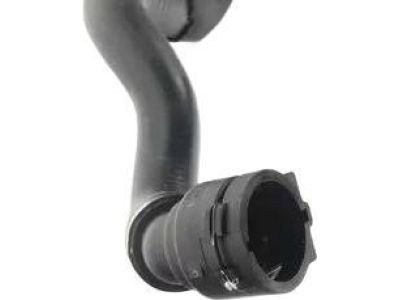
BMW 335i Heater Return Thermostat Hose
Part Number: 17127599454$183.74 MSRP: $216.64You Save: $32.90 (16%)Ships in 1-3 Business Days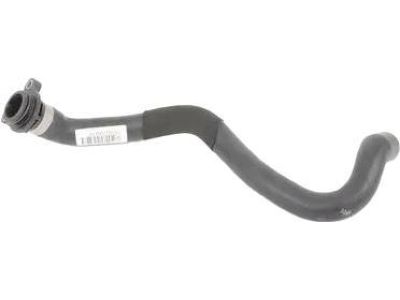
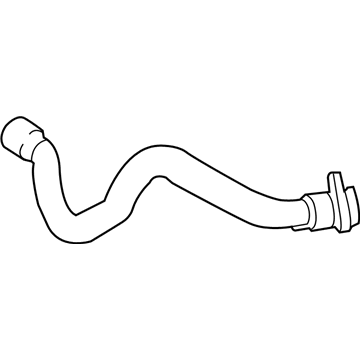
BMW 335i Coolant Hose
Part Number: 11537598234$56.72 MSRP: $80.29You Save: $23.57 (30%)Ships in 1-3 Business Days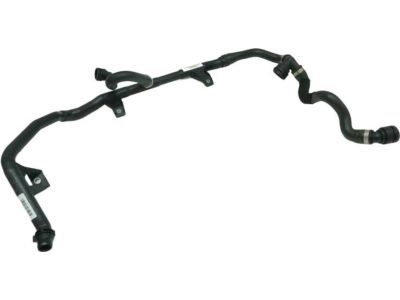
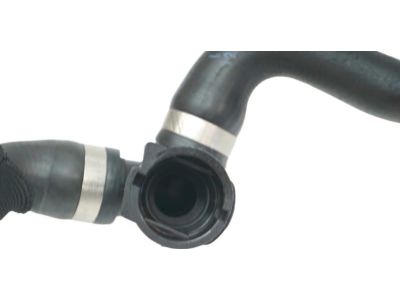
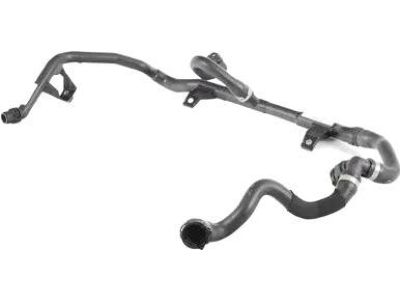
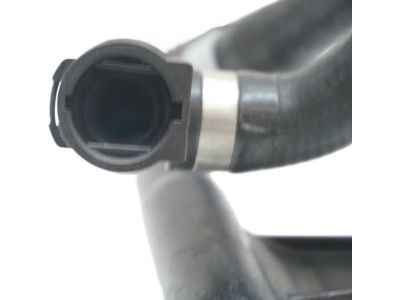
BMW 335i Heater Return-Thermostat Line
Part Number: 17127599455$182.91 MSRP: $215.65You Save: $32.74 (16%)Ships in 1-3 Business Days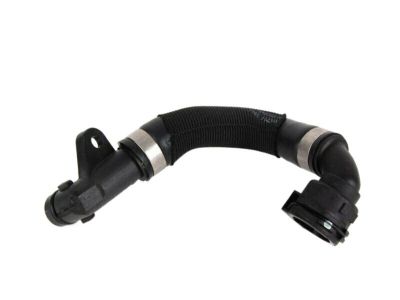
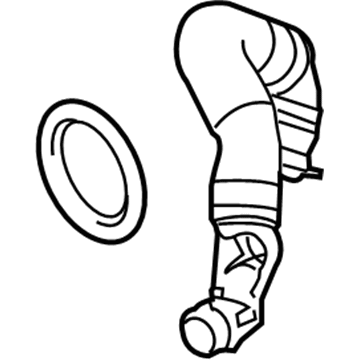
BMW 335i Engine Coolant Crossover Pipe
Part Number: 17117541143$48.89 MSRP: $64.74You Save: $15.85 (25%)Ships in 1-3 Business Days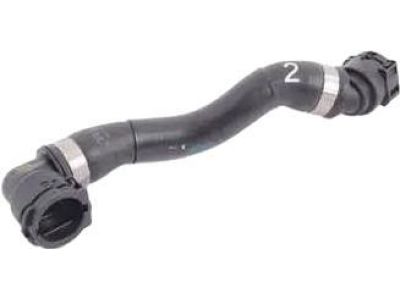
BMW 335i Coolant Hose
Part Number: 17127627104$60.19 MSRP: $79.71You Save: $19.52 (25%)Ships in 1-3 Business Days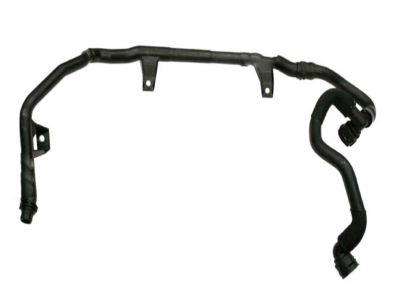
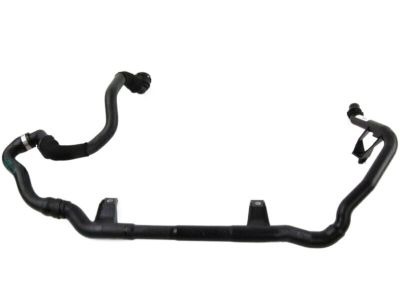
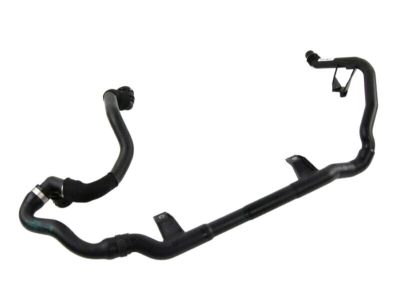
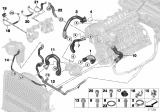
BMW 335i Engine Coolant Recovery Tank Hose
Part Number: 17127548229$130.55 MSRP: $153.92You Save: $23.37 (16%)Ships in 1-3 Business Days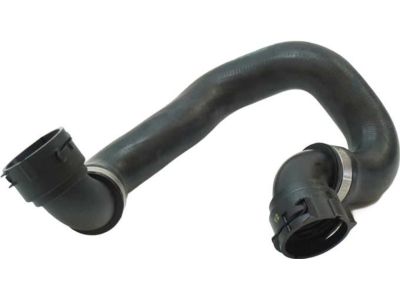
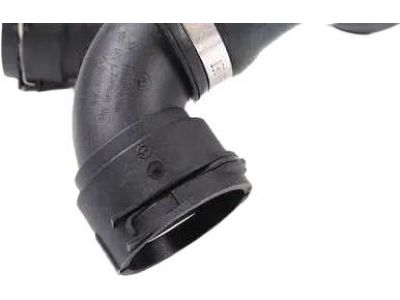
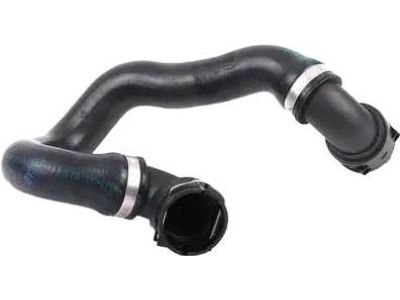
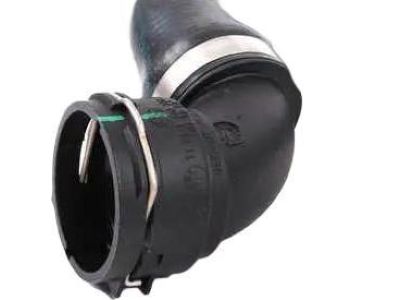
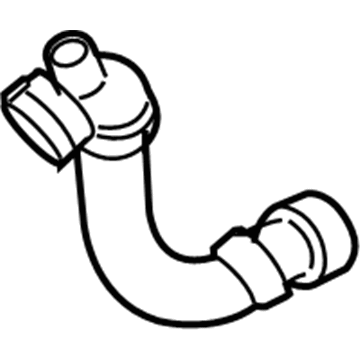
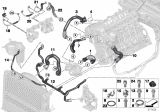
BMW 335i Radiator Lower-Thermostat Hose
Part Number: 17127564480$75.25 MSRP: $99.65You Save: $24.40 (25%)Ships in 1-3 Business Days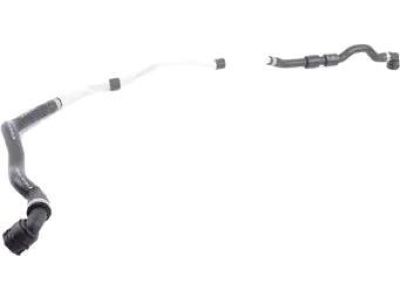
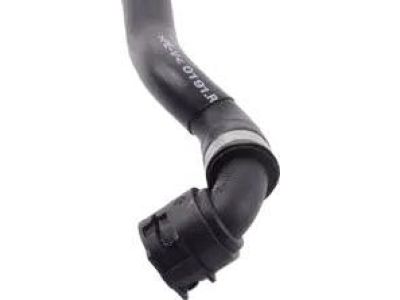
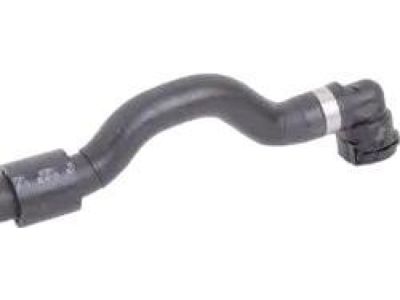
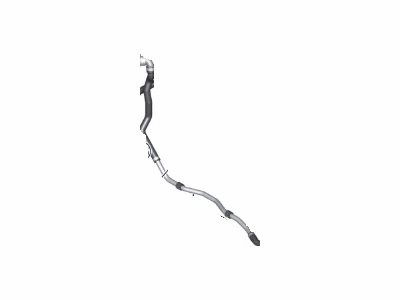
BMW 335i Coolant Hose
Part Number: 17127627102$85.11 MSRP: $114.58You Save: $29.47 (26%)Ships in 1-3 Business Days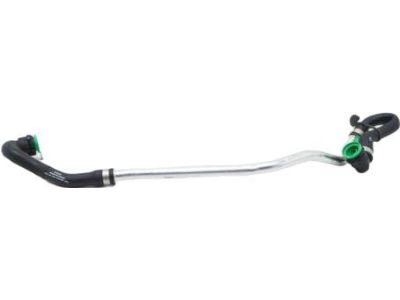
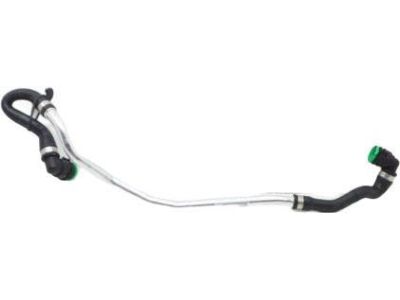
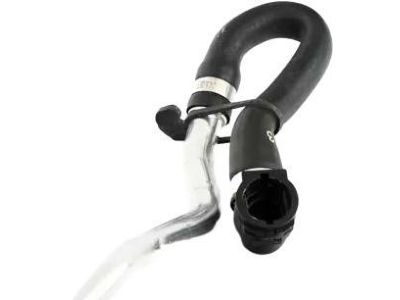
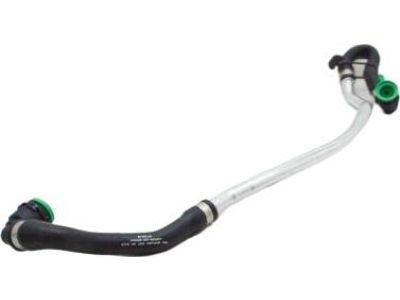
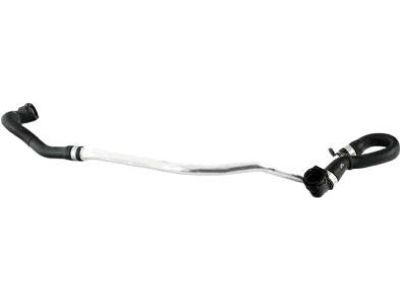
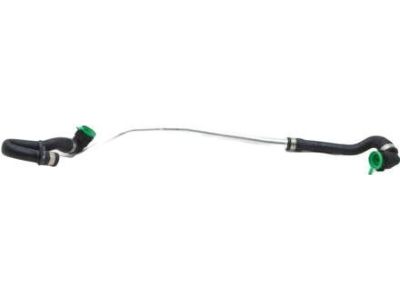
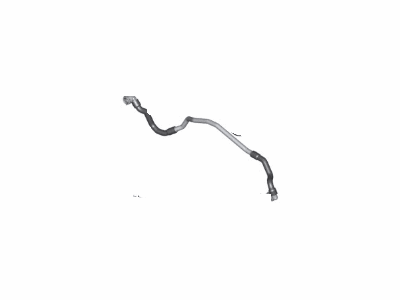
BMW 335i Radiator Coolant Hose
Part Number: 17127627106$75.25 MSRP: $99.65You Save: $24.40 (25%)Ships in 1-3 Business DaysBMW 335i Radiator Coolant Hose
Part Number: 17127599450$99.93 MSRP: $134.53You Save: $34.60 (26%)Ships in 1-3 Business Days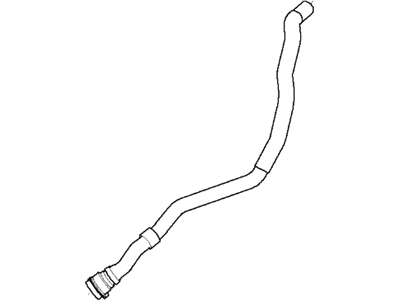
BMW 335i Radiator And Engine Return Hose
Part Number: 64216951946$47.56 MSRP: $62.98You Save: $15.42 (25%)Ships in 1-3 Business Days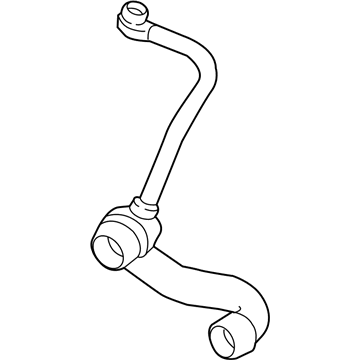
BMW 335i Engine Coolant Hose
Part Number: 11537594319$89.24 MSRP: $128.43You Save: $39.19 (31%)Ships in 1-2 Business Days
| Page 1 of 2 |Next >
1-20 of 34 Results
BMW 335i Cooling Hose
The BMW 335i Cooling Hose allows for the flow of coolant between the engine and the radiator, which helps keep the temperatures safe even when the powertrain shifts on its mounts. Each Cooling Hose is mounted with flexibility to absorb engine movement and relieve stress on the rigid radiator, heater core, and expansion tank. The BMW engine in the 335i sedan and coupe has a total of four main Cooling Hose lines in the car: upper, lower, bypass, and heater, forming a completely sealed loop that carries the heat away. A Cooling Hose leak can make the engine overheated and quite costly to repair due to a swollen or cracked hose. BMW applied similar materials for the 335i models built over the years, but in the internal reinforcement and clamp designs, there were improvements behind the change. So, the newer hoses better withstand the pressure spikes and hold tighter seals. When replacing a hose, if you use a hose of the same type and size that the factory specified, it will keep the cooling circuit working as designed. Swapping one out is a straightforward drain, loosen, slide, and tighten job that many garage enthusiasts can likely handle. If the worn-out Cooling Hose is ignored, coolant will mix with other fluids, which will cause a burnt smell under the hood.
If you are looking for OEM BMW 335i Cooling Hose, we highly recommend to shop with us. Not only do we offer budget friendly prices, but we also provide fast delivery. In addition, we have a hassle-free return policy on all genuine BMW 335i Cooling Hose that come backed by the manufacturer's warranty.
BMW 335i Cooling Hose Parts Questions & Experts Answers
- Q:How can the Cooling Hose be inspected and maintained to prevent coolant leakage and damage on BMW 335i?Posted by Ideen M.A:Hoses should be visually checked for proper clamping, proper wrapping if they are rubber wrapped, and air content by feel, as any damp feeling or weeping around the hose clamp or the hose itself or the connection could be a dried coolant which will look chalky. Carry out the visible and touch and feel check to ensure that hoses are firm and springy and to replace the hoses, which may be leaking by visible signs such as dripping, moist around clamps or connectors. When fitting / replacing coolant hoses, only use the recommended clamps. Seek out electromechanical deterioration, which can hardly be disclosed but can be felt when the hose is compressed as it is searched for. Said includes evidence of soft nature and bulge, especially where the oil has penetrated and resulted in abrasion, there is also wear or scuffing due to rubbing by the hard parts of the engine. Specific kinds of heat harm are internal and outer problems characterized by puffiness and leathery-healing zones. Ozone damage shows appearance of thin parallel splits on the outer part, which are not hard and are caused by atmospheric conditions. Also, as a preventive measure, recommended change interval for coolant hoses should be approximately 4 years.Answered by BMW Parts Specialist Javier / Oct 03, 2023