×
- Hello
- Login or Register
- Quick Links
- Live Chat
- Track Order
- Parts Availability
- RMA
- Help Center
- Contact Us
- Shop for
- BMW Parts
- BMW Accessories

My Garage
My Account
Cart
Genuine BMW 335i Oil Pump
Oil Fluid Pump- Select Vehicle by Model
- Select Vehicle by VIN
Select Vehicle by Model
orSeries
Model
Year
Select Vehicle by VIN
For the most accurate results, select vehicle by your VIN (Vehicle Identification Number).
3 Oil Pumps found
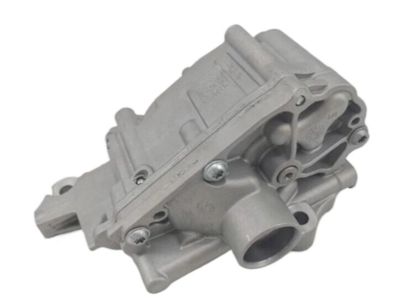
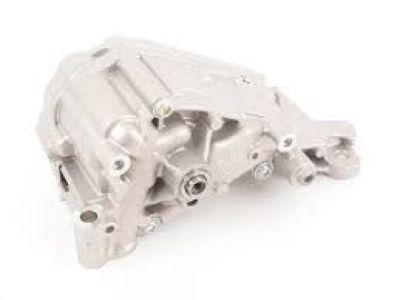
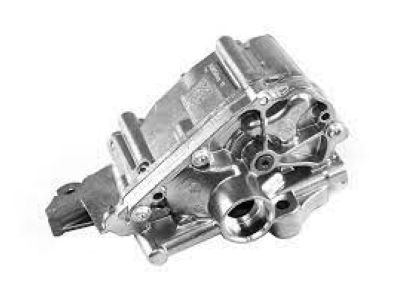
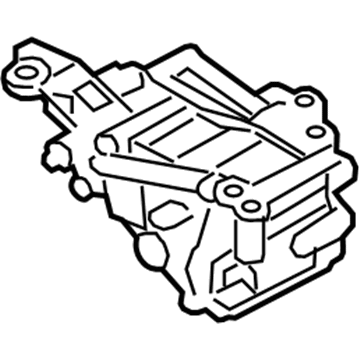
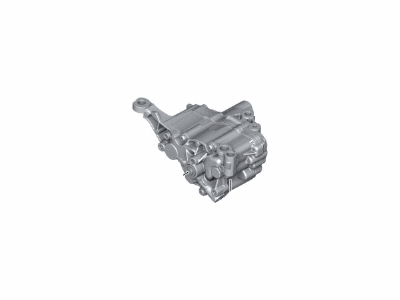
BMW 335i Oil Pump
Part Number: 11417573747$525.98 MSRP: $783.12You Save: $257.14 (33%)Ships in 1-2 Business Days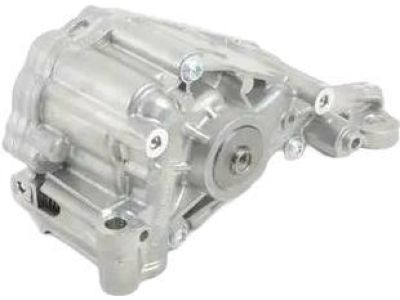
BMW 335i Oil Pump
Part Number: 11417613549$525.98 MSRP: $783.12You Save: $257.14 (33%)Ships in 1-3 Business Days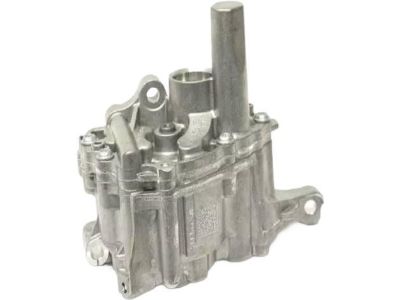
BMW 335i Oil Pump
Part Number: 11417560250$525.98 MSRP: $783.12You Save: $257.14 (33%)Ships in 1-3 Business Days
BMW 335i Oil Pump
BMW 335i Oil Pump keeps the turbocharged straight-six alive by forcing pressurized oil through bearings, pistons, and camshafts, reducing friction while carrying away heat. The Oil Pump on this BMW channels oil from the sump through a mesh screen, then a filter and cooler, before galleries that also house a pressure switch or sending unit which lights the dash or moves the gauge if pressure falls. Over the years each 335i has applied crank driven Oil Pump layouts that differ mainly in how they couple to the crankshaft. A direct drive Oil Pump surrounds the crank nose and spins from a gear fixed to it, giving fast response. BMW gear drive and chain drive pumps, found in some 335i years, bolt to the side, turning through interlocking gears or a chain and sprockets. A crankcase mounted Oil Pump employs a hex-ended driveshaft that can round off if wear is ignored. All share gears plus a relief valve to hold roughly 10 psi per 1000 RPM, while racing-style builds may fit a high volume version to shield the 335i motor during high RPM BMW outings.
If you are looking for OEM BMW 335i Oil Pump, we highly recommend to shop with us. Not only do we offer budget friendly prices, but we also provide fast delivery. In addition, we have a hassle-free return policy on all genuine BMW 335i Oil Pump that come backed by the manufacturer's warranty.
BMW 335i Oil Pump Parts Questions & Experts Answers
- Q:How does the volumetric-flow controlled oil pump optimize oil delivery and reduce engine fuel consumption on BMW 335i?Posted by Meredith G.A:The volumetric-flow controlled oil pump delivers only the necessary amount of oil, preventing surplus in low load operating ranges, which reduces engine fuel consumption and slows oil wear. Designed with sliding vane valves, the pump features an off-center positioned shaft and rotor within a pivoting housing, causing the vanes to displace radially during rotation and form chambers of varying volume. As the pump rotates, oil pressure acts on the control piston against the compression spring, allowing the beveled piston to adjust the pivoting housing's position. When centered, the intake and output chamber volume changes are minimal, resulting in low oil delivery; when off-center, these changes are greater, leading to higher oil delivery. An increase in engine oil demand, such as during VANOS operation, causes a drop in lubricating system pressure, which allows the compression spring to push the beveled piston further off-center, increasing oil volume. Conversely, as engine oil pressure rises and demand decreases, the process reverses. Cautions include reading battery disconnection warnings before disconnecting, avoiding steel fasteners on aluminum-magnesium alloy components to prevent corrosion, replacing aluminum bolts after loosening, adhering to torque instructions for aluminum fasteners, and covering the alternator with a shop towel to protect it from oil drips.Answered by BMW Parts Specialist Noah / May 31, 2025