×
- Hello
- Login or Register
- Quick Links
- Live Chat
- Track Order
- Parts Availability
- RMA
- Help Center
- Contact Us
- Shop for
- BMW Parts
- BMW Accessories

My Garage
My Account
Cart
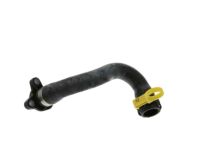
Genuine BMW 428i Cooling Hose
Cooling System Hose- Select Vehicle by Model
- Select Vehicle by VIN
Select Vehicle by Model
orSeries
Model
Year
Select Vehicle by VIN
For the most accurate results, select vehicle by your VIN (Vehicle Identification Number).
22 Cooling Hoses found
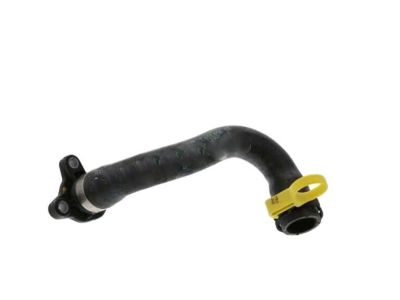
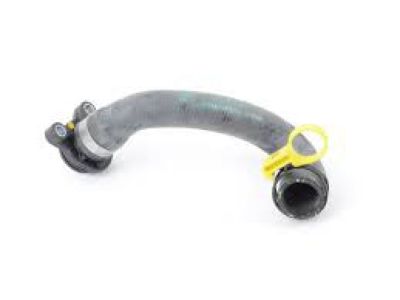
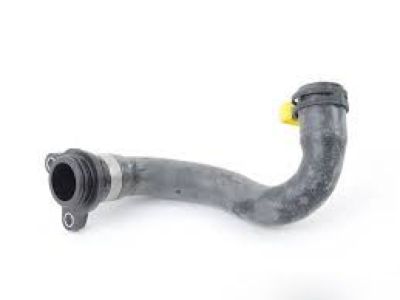
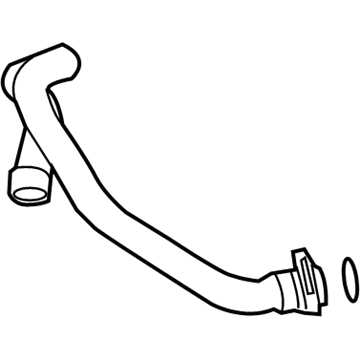
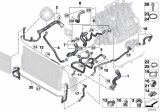
BMW 428i Water Hose
Part Number: 11537603514$56.72 MSRP: $80.29You Save: $23.57 (30%)Ships in 1-3 Business Days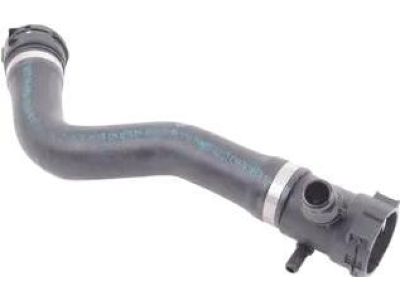
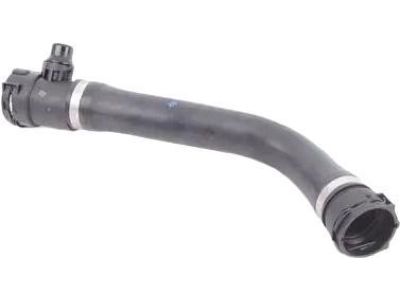
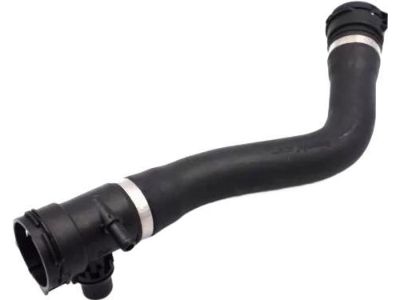
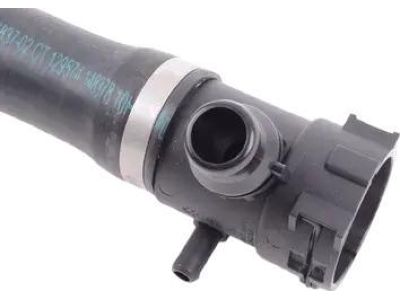
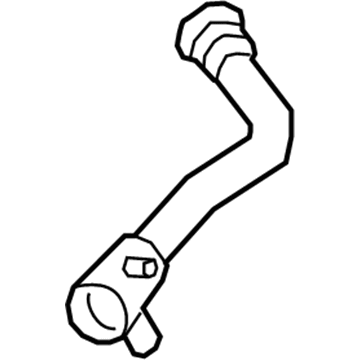
BMW 428i Radiator Coolant Hose
Part Number: 17127596837$85.11 MSRP: $114.58You Save: $29.47 (26%)Ships in 1-3 Business Days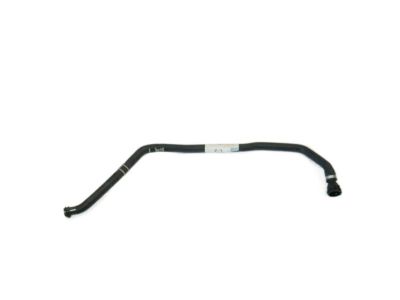
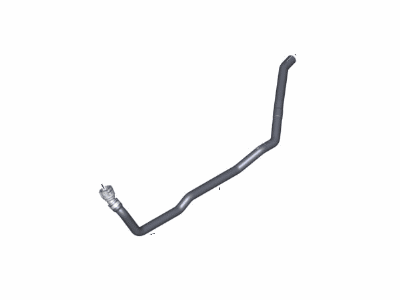
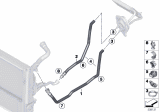
BMW 428i Heater Core-Engine Feed Hose
Part Number: 64219208169$61.78 MSRP: $81.81You Save: $20.03 (25%)Ships in 1-3 Business Days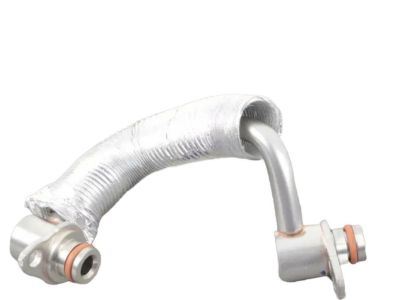
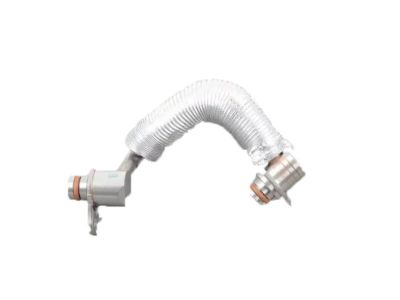
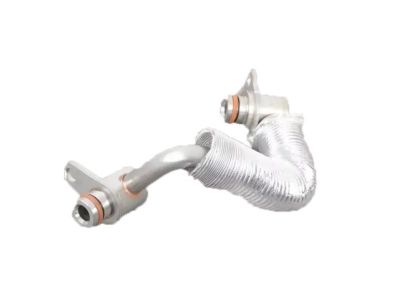
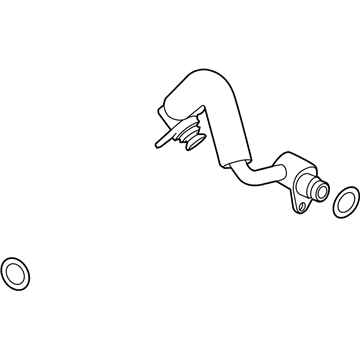
BMW 428i Coolant Return Pipe
Part Number: 11538663517$105.27 MSRP: $141.73You Save: $36.46 (26%)Ships in 1-3 Business Days
BMW 428i Water Pump-Outlet Pipe
Part Number: 11538645481$72.50 MSRP: $104.34You Save: $31.84 (31%)Ships in 1-3 Business Days
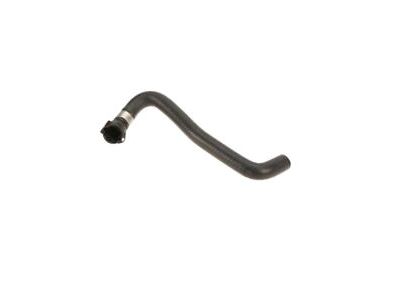
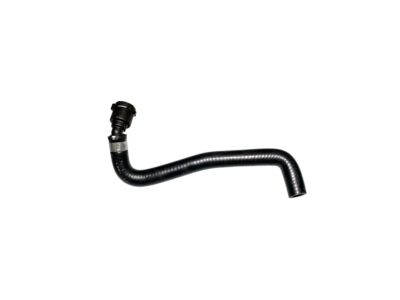
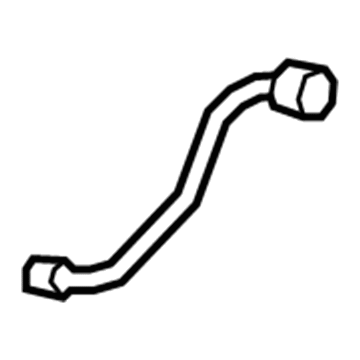
BMW 428i Coolant Hose
Part Number: 17127596831$48.89 MSRP: $64.74You Save: $15.85 (25%)Ships in 1-3 Business Days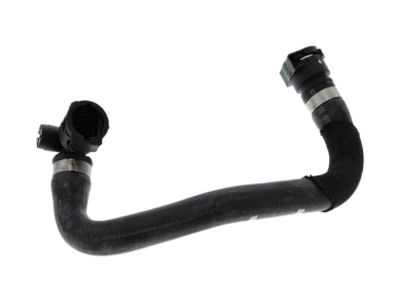
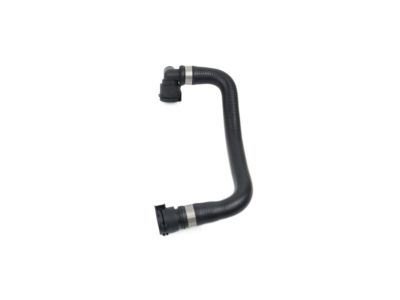
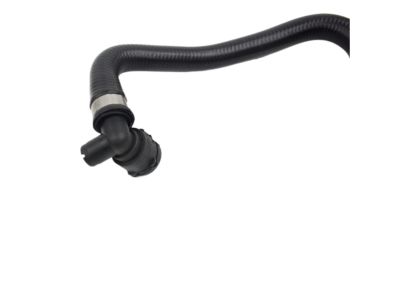
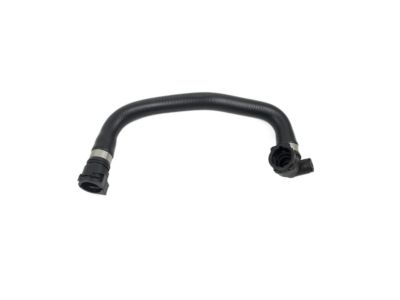
BMW 428i Engine Coolant Hose
Part Number: 17127600554$60.19 MSRP: $79.71You Save: $19.52 (25%)Ships in 1-3 Business Days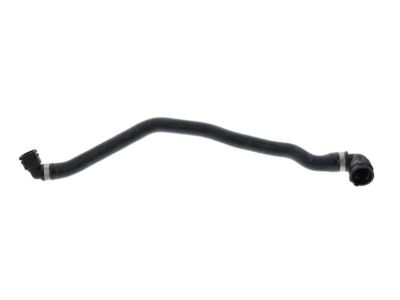
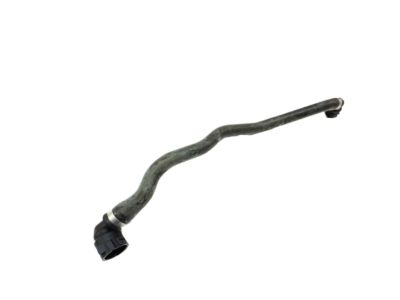
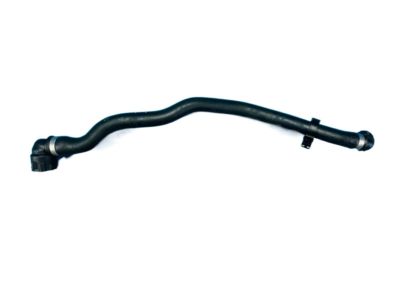
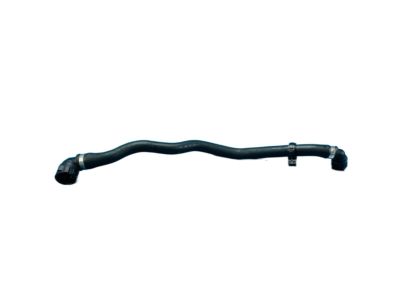
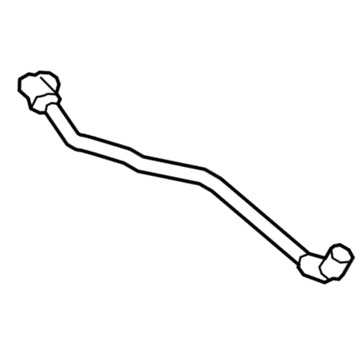
BMW 428i Engine Coolant Overflow Hose
Part Number: 17127624676$75.25 MSRP: $99.65You Save: $24.40 (25%)Ships in 1-3 Business Days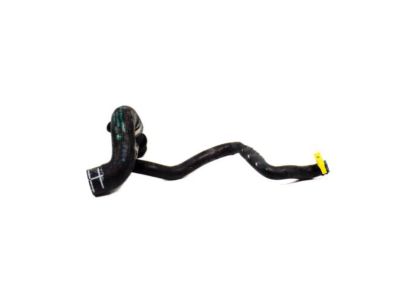
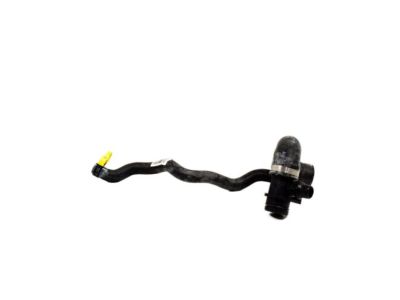
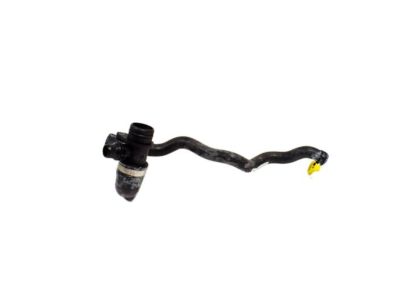
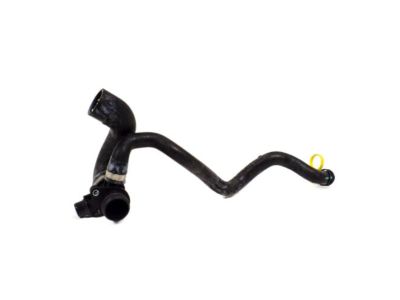
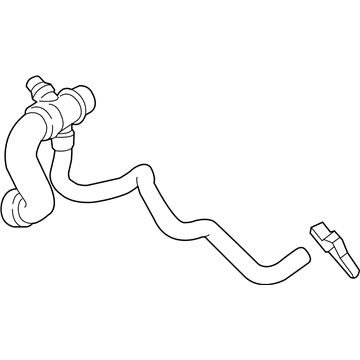
BMW 428i Engine Coolant Hose
Part Number: 11537639997$167.18 MSRP: $215.03You Save: $47.85 (23%)Ships in 1-3 Business Days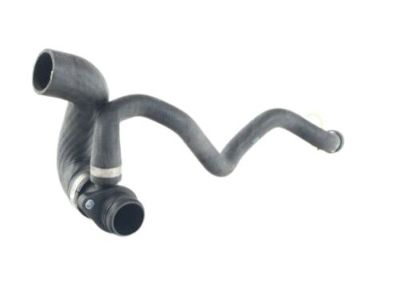
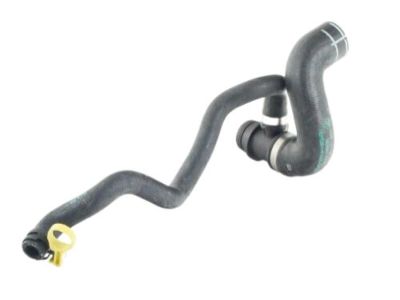
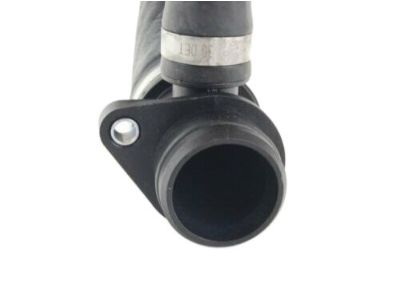
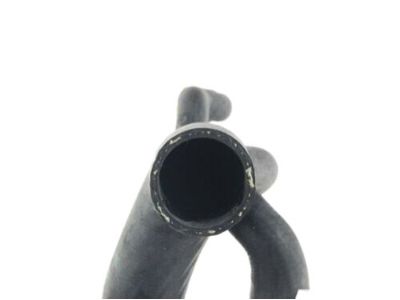
BMW 428i Engine Coolant Hose
Part Number: 11537639998$167.18 MSRP: $215.03You Save: $47.85 (23%)Ships in 1-3 Business Days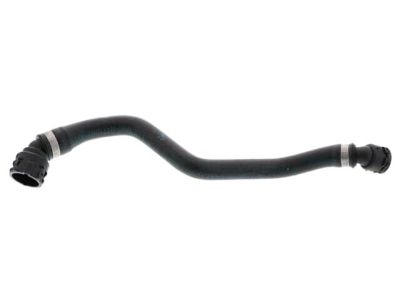
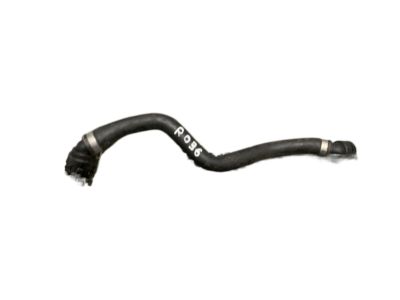
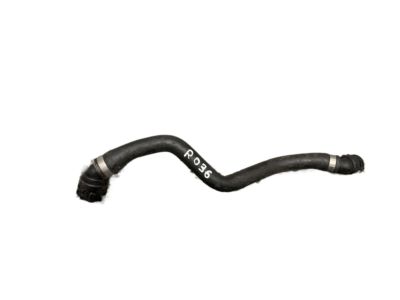
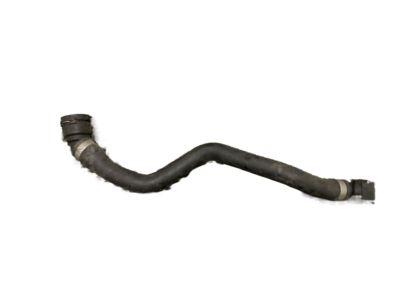
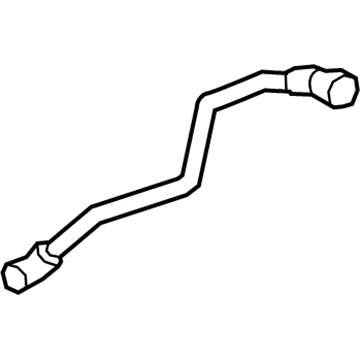
BMW 428i Coolant Hose
Part Number: 17127596841$67.72 MSRP: $89.68You Save: $21.96 (25%)Ships in 1-3 Business Days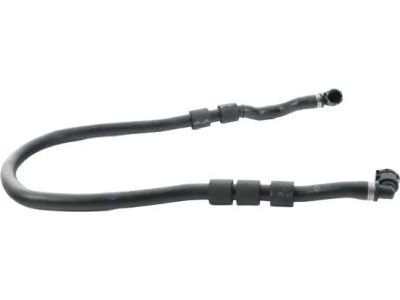
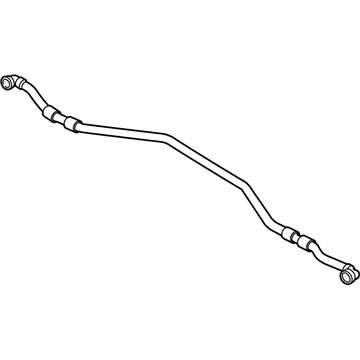
BMW 428i Radiator Coolant Hose
Part Number: 17127625383$99.93 MSRP: $134.53You Save: $34.60 (26%)Ships in 1-3 Business Days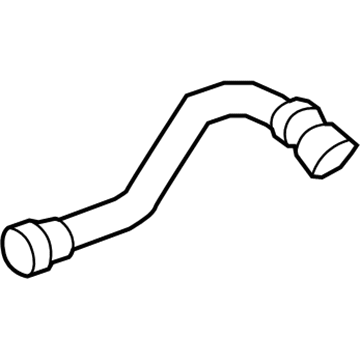
BMW 428i Radiator Coolant Hose
Part Number: 17127596838$85.11 MSRP: $114.58You Save: $29.47 (26%)Ships in 1-3 Business Days
BMW 428i Coolant Hose
Part Number: 17127619255$141.90 MSRP: $194.29You Save: $52.39 (27%)Ships in 1-3 Business Days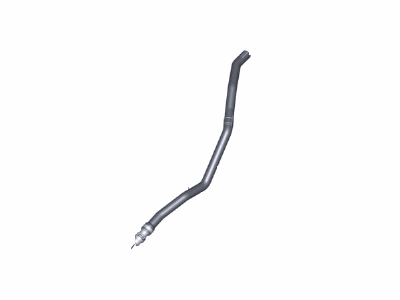
BMW 428i Radiator And Engine Return Hose
Part Number: 64219208184$50.02 MSRP: $66.24You Save: $16.22 (25%)Ships in 1-3 Business Days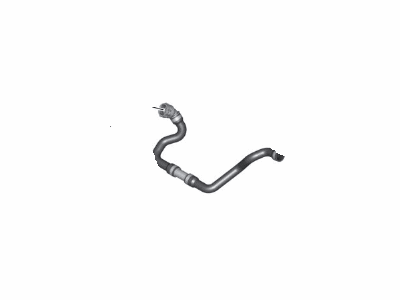
BMW 428i Lower Coolant Hose
Part Number: 17127596840$75.25 MSRP: $99.65You Save: $24.40 (25%)Ships in 1-3 Business Days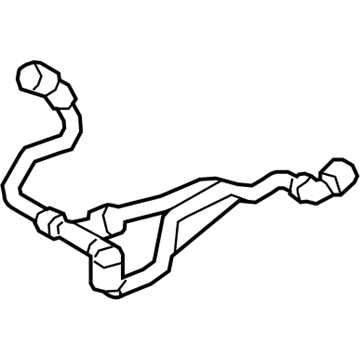
BMW 428i Radiator Coolant Hose
Part Number: 17127596839$99.93 MSRP: $134.53You Save: $34.60 (26%)Ships in 1-3 Business Days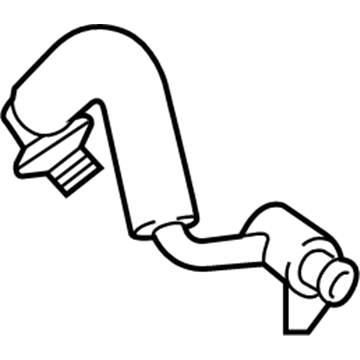
BMW 428i COOLANT PIPE, RETURN LINE
Part Number: 11538626655$105.27 MSRP: $141.73You Save: $36.46 (26%)Ships in 1-2 Business Days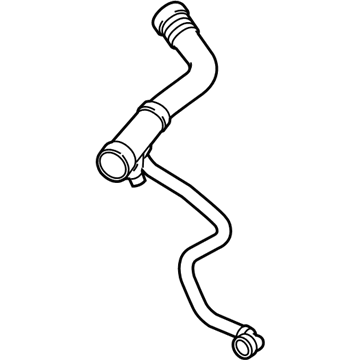
BMW 428i Radiator Coolant Hose Upper
Part Number: 17127625382$114.72 MSRP: $154.45You Save: $39.73 (26%)Ships in 1-3 Business DaysBMW 428i Engine Coolant Pipe Hose
Part Number: 17127619256$114.72 MSRP: $154.45You Save: $39.73 (26%)Ships in 1-3 Business Days
| Page 1 of 2 |Next >
1-20 of 22 Results
BMW 428i Cooling Hose
The BMW 428i Cooling Hose operates as an essential part to ensure remarkable reliability together with excellent performance for BMW 428i models. This Cooling Hose ensures efficient coolant circulation between engine and radiator therefore it maintains engine temperature in the optimal range for both performance and safety purposes. The BMW 428i Cooling Hose consists of four elements including upper lines and lower lines and bypass and heater lines which use specific engineering to properly heat dissipate. Multiple model compatibility of the 428i range allows drivers to preserve vehicle performance by seeking replacements without any disadvantages. BMW 428i Cooling Hose stands out in the automotive market since it demonstrates superior durability when resisting engine torque forces. Vehicle maintenance requires regular checks of the Cooling Hose accompanied by prompt replacements to safeguard against leaks along with engine damage. The BMW car Cooling Hose offers installation ease and mechanical resistance that produces additional value for vehicle owners. The car Cooling Hose functions as a key component which integrates reliability with performance and compatibility to help power the engine and provide the automaker fans with their classic exciting driving experience from the model platform.
If you are looking for OEM BMW 428i Cooling Hose, we highly recommend to shop with us. Not only do we offer budget friendly prices, but we also provide fast delivery. In addition, we have a hassle-free return policy on all genuine BMW 428i Cooling Hose that come backed by the manufacturer's warranty.
BMW 428i Cooling Hose Parts Questions & Experts Answers
- Q:How to inspect a Cooling Hose and identify signs of damage on BMW 428i?Posted by Sun N.A:Examine hoses by verifying all connections are tight and dry. If you notice any coolant seeping, it indicates you have a loose hose clamp, damaged hose, or dirty/corroded connection. Dried coolant looks chalky. Carry out a visual and manual inspection to make sure the hoses are firm and springy and replace any that are leaking - that is, dripping or moist around the clamp or connector. Most coolant hoses on the F30 have integrated spring clips. But for the hoses without any clips, follow BMW's advice and use specified clamps on installation or reinstallation. Inspect the hose for electromechanical degradation by squeezing to detect cracks, weak areas, and voids, among others. It is oil damage if the rubber is soft and bulges. If it is abrasion damage, the rubber will be worn out or scuffed. Swelling hardened cracked areas caused from being hot or overheated are considered heat damage. The ozone injury results in cracks that are presented in the form of parallel lines and which are not hardened. Coolant hoses should be replaced every 4 years as preventive.Answered by BMW Parts Specialist Adrian / Feb 06, 2025
Related BMW 428i Parts
 BMW 428i Water Pump
 BMW 428i Radiator
 BMW 428i Radiator Hose
 BMW 428i Coolant Reservoir
 BMW 428i Fan Shroud
 BMW 428i Thermostat
 BMW 428i Fan Blade
 BMW 428i Thermostat Gasket
 BMW 428i Water Pump Gasket