×
- Hello
- Login or Register
- Quick Links
- Live Chat
- Track Order
- Parts Availability
- RMA
- Help Center
- Contact Us
- Shop for
- BMW Parts
- BMW Accessories

My Garage
My Account
Cart
Genuine BMW Transmission Oil Cooler
Trans Oil Cooler- Select Vehicle by Model
- Select Vehicle by VIN
Select Vehicle by Model
orSeries
Model
Year
Select Vehicle by VIN
For the most accurate results, select vehicle by your VIN (Vehicle Identification Number).
88 Transmission Oil Coolers found
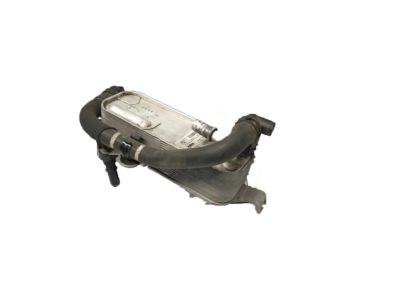
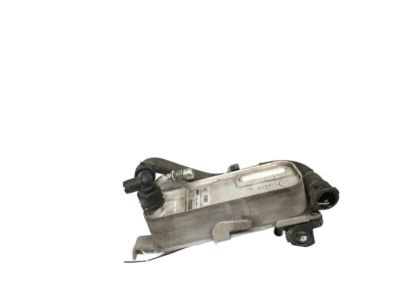
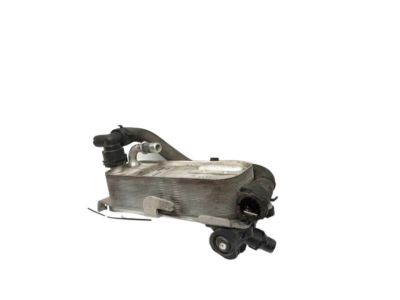
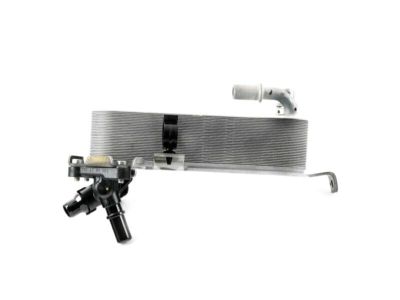
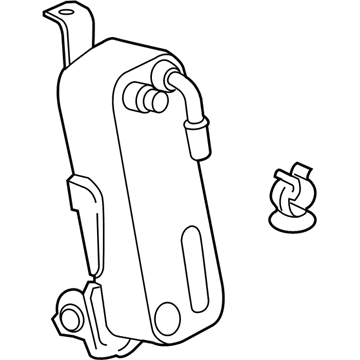
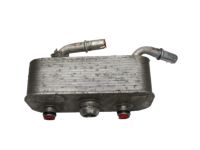
BMW Transmission Oil Cooler
Part Number: 17217600553$295.49 MSRP: $436.19You Save: $140.70 (33%)Ships in 1-3 Business DaysProduct Specifications- Other Name: Heat Exchanger; Oil Cooler, Transmission Cooler
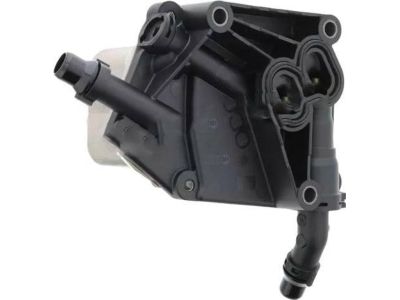
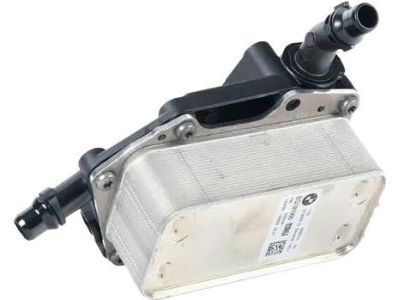
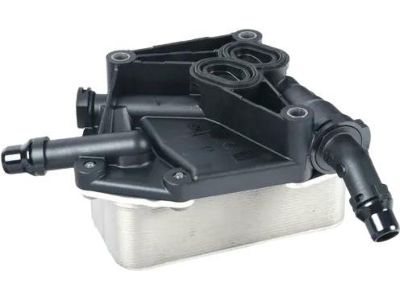
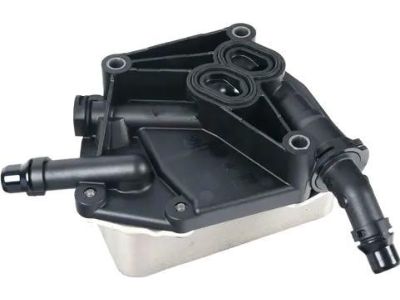
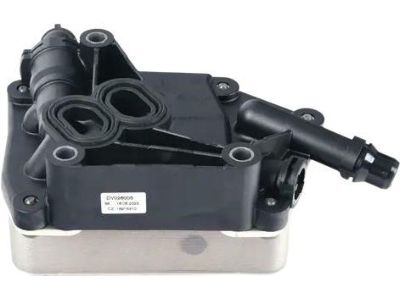
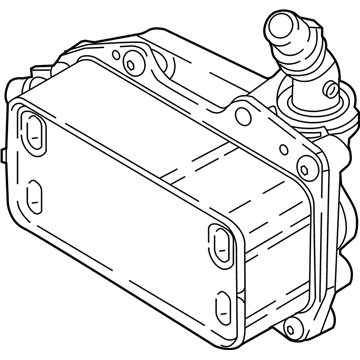
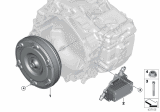
BMW Transmission Oil Cooler Heat Exchanger
Part Number: 17217640013$279.26 MSRP: $412.22You Save: $132.96 (33%)Ships in 1-3 Business DaysProduct Specifications- Other Name: Heat Exchanger; Oil Cooler, Transmission Cooler
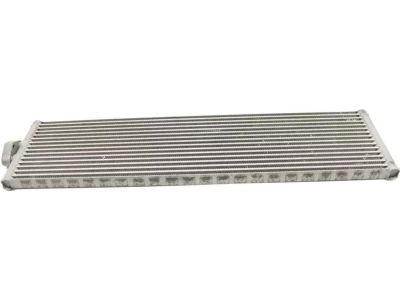
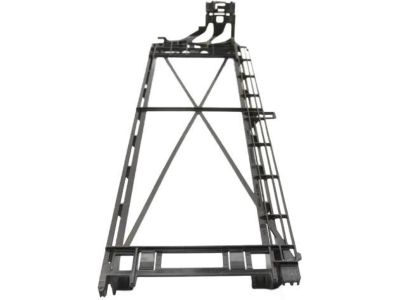
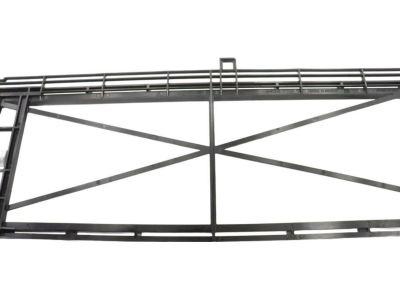
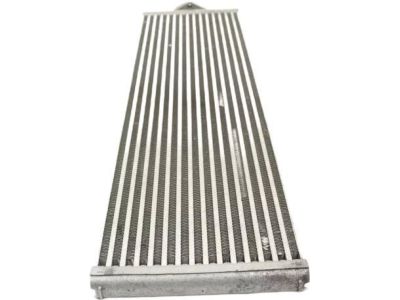
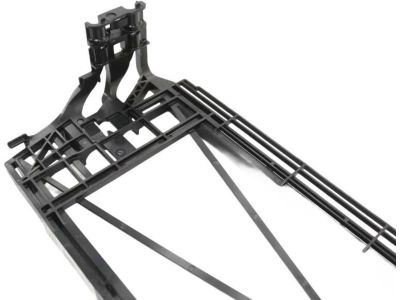
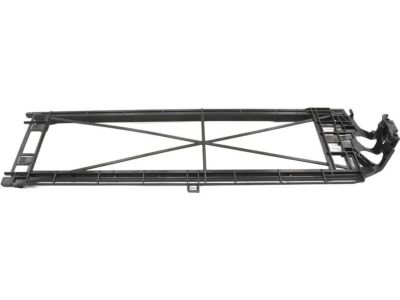
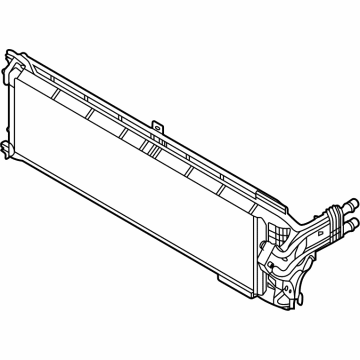
BMW Transmission Oil Cooler
Part Number: 17219487254$369.20 MSRP: $509.84You Save: $140.64 (28%)Ships in 1-3 Business DaysProduct Specifications- Other Name: Oil Cooler, Transmission Cooler
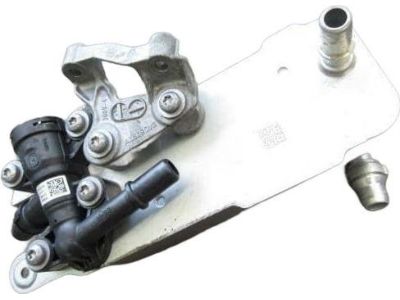
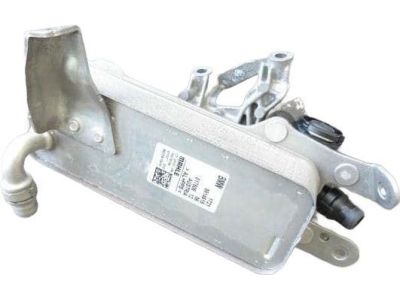
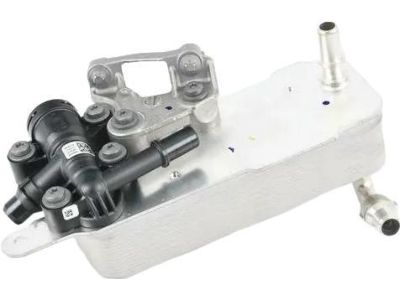
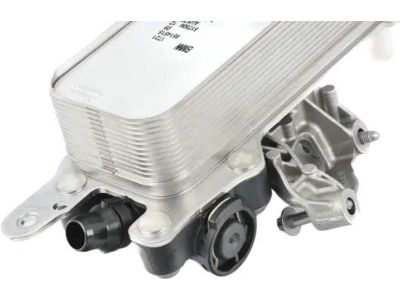
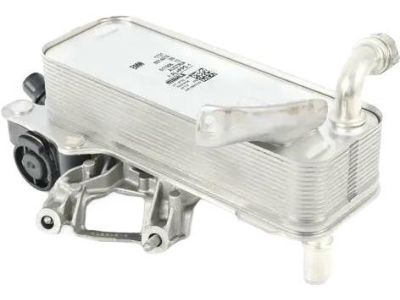
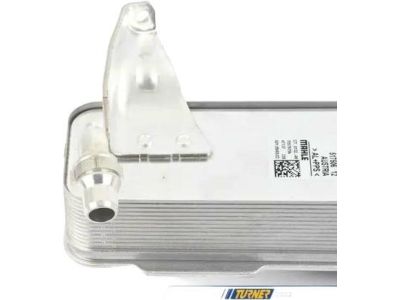
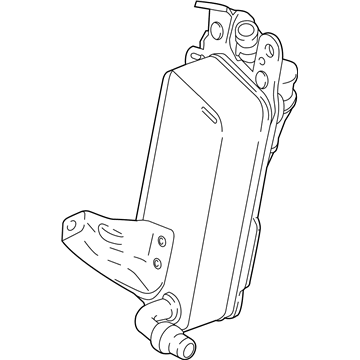
BMW Transmission Oil Cooler
Part Number: 17218514515$369.20 MSRP: $509.84You Save: $140.64 (28%)Ships in 1-3 Business DaysProduct Specifications- Other Name: Oil Cooler, Transmission Cooler
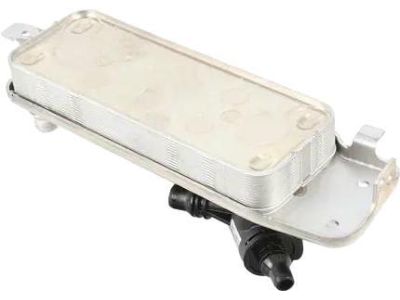
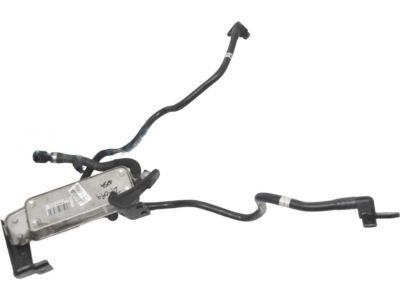
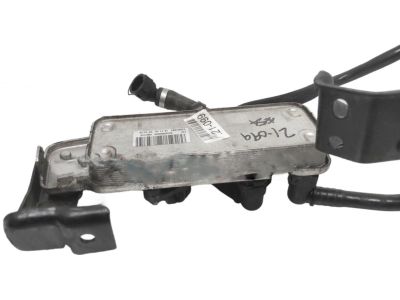
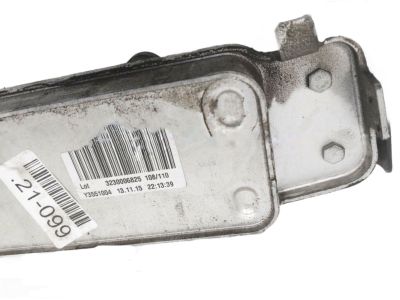
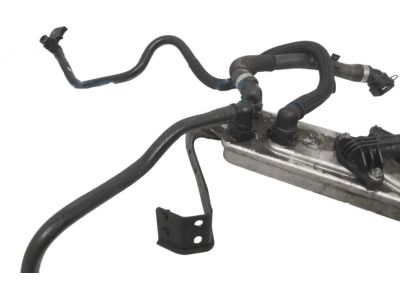
BMW Transmission Oil Cooler
Part Number: 17217638678$316.47 MSRP: $437.02You Save: $120.55 (28%)Ships in 1-3 Business DaysProduct Specifications- Other Name: Oil Cooler, Thermostat, Transmission Cooler
- Replaces: 17-21-7-599-546, 17-22-7-572-541, 17-22-7-597-890, 17-21-7-572-540, 17-21-7-638-681, 17-21-8-624-132
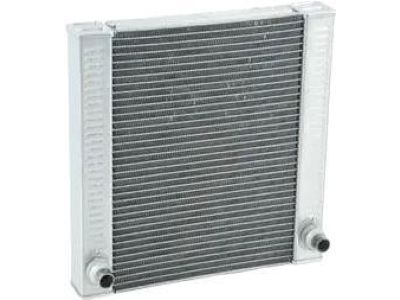
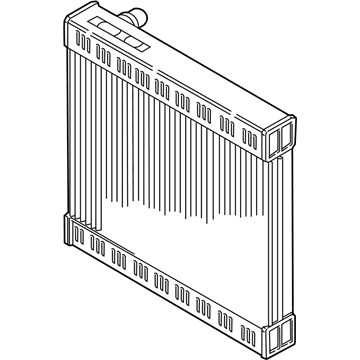
BMW Remote Mounted Radiator
Part Number: 17118620207$349.66 MSRP: $516.16You Save: $166.50 (33%)Ships in 1-3 Business DaysProduct Specifications- Other Name: External Radiator
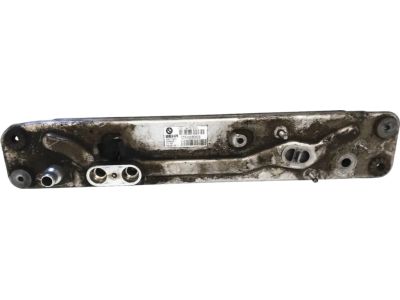
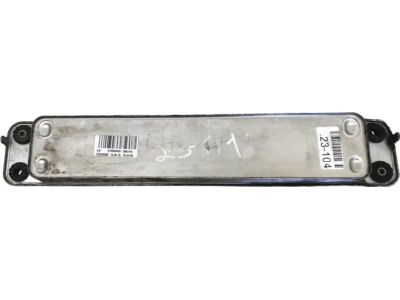
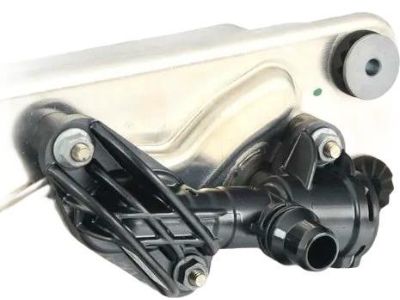
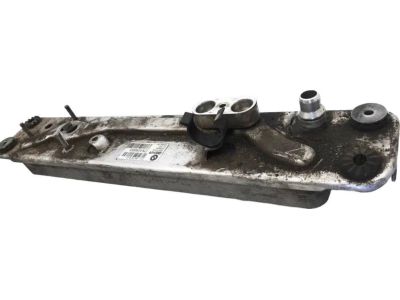
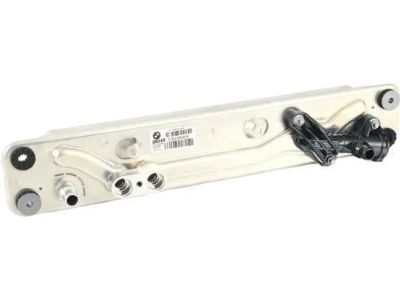
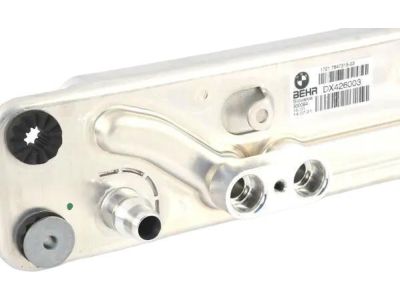
BMW Transmission Oil Cooler With Thermostat
Part Number: 17217647315$280.73 MSRP: $414.40You Save: $133.67 (33%)Ships in 1-3 Business DaysProduct Specifications- Other Name: Heat Exchanger; Oil Cooler, Transmission Cooler
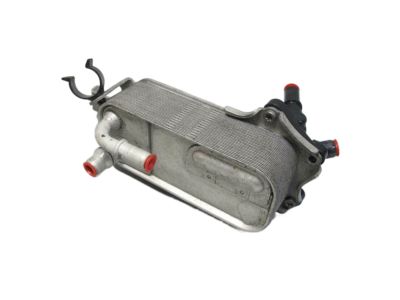
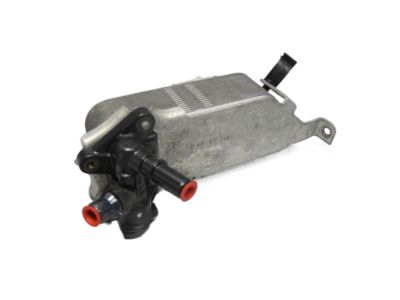
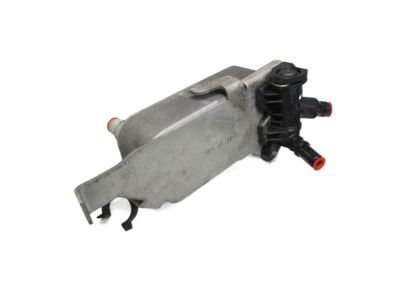
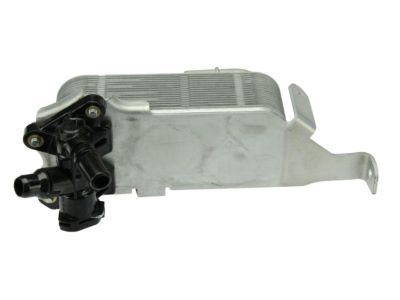
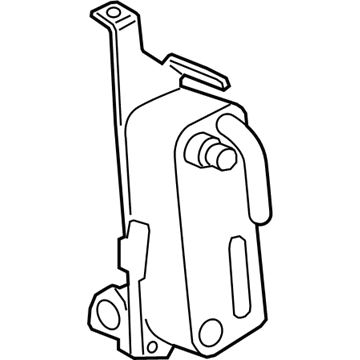
BMW Transmission Oil Cooler
Part Number: 17217593856$351.63 MSRP: $485.56You Save: $133.93 (28%)Ships in 1-3 Business DaysProduct Specifications- Other Name: Oil Cooler
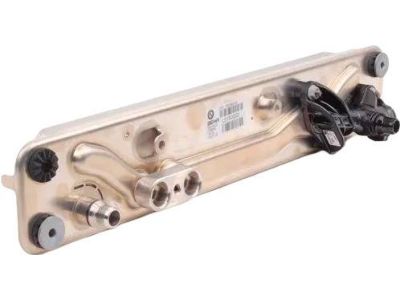
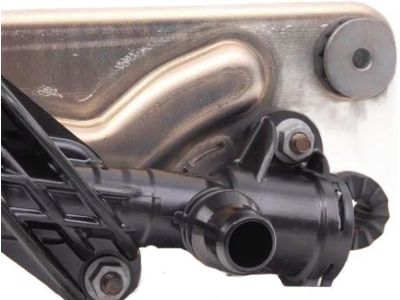
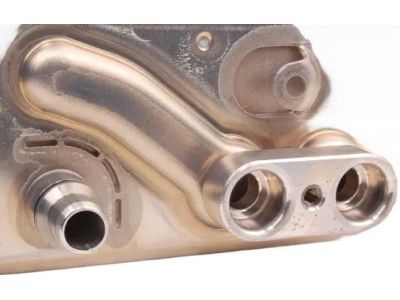
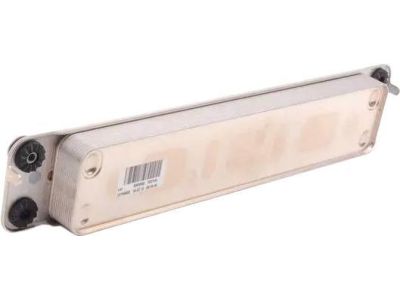
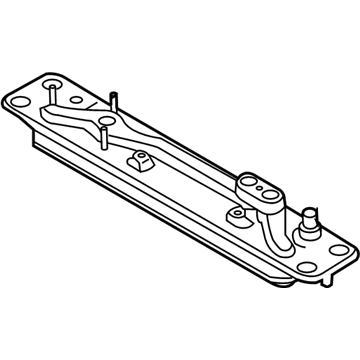
BMW Transmission Oil Cooler Heat Exchanger
Part Number: 17217553389$381.98 MSRP: $454.22You Save: $72.24 (16%)Ships in 1-3 Business DaysProduct Specifications- Other Name: Heat Exchanger; Oil Cooler, Transmission Cooler
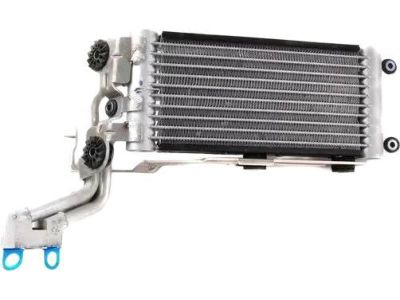
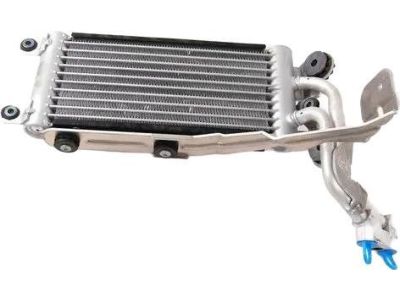
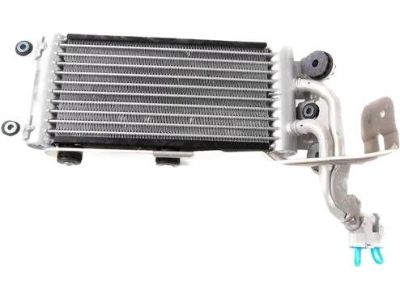
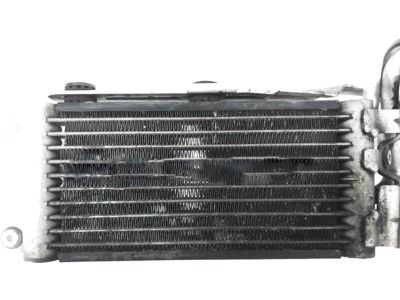
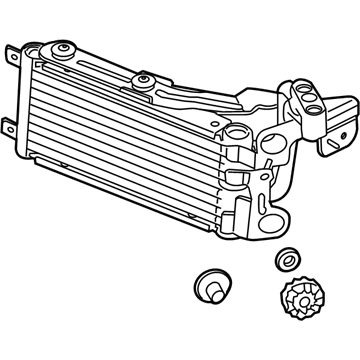
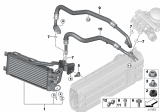
BMW Oil Cooler Engine Transmission
Part Number: 17227521376$439.54 MSRP: $606.97You Save: $167.43 (28%)Ships in 1-3 Business DaysProduct Specifications- Other Name: Oil Cooler; Oil Cooler Assembly, Transmission Cooler
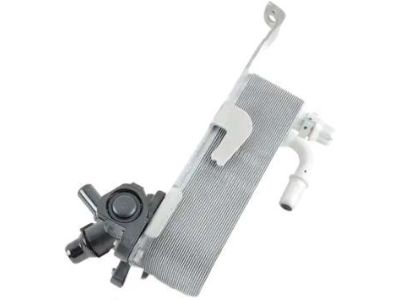
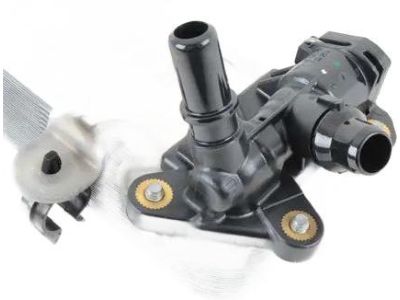
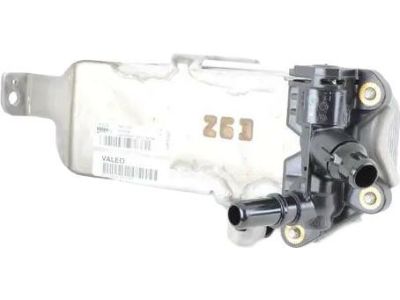
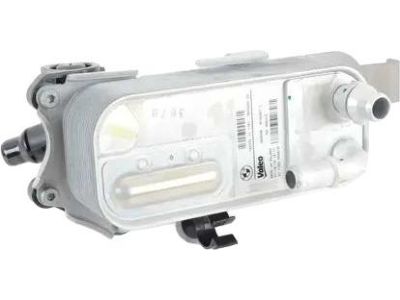
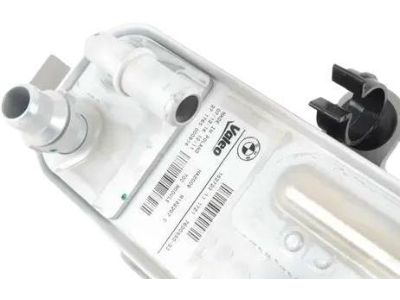
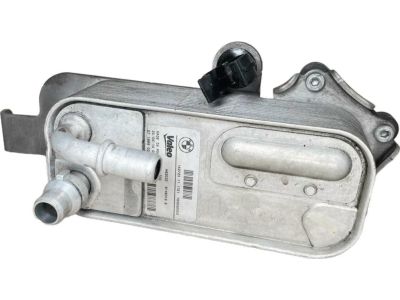
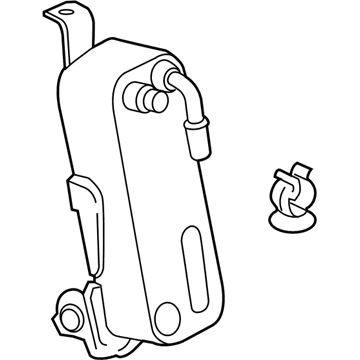
BMW Automatic Transmission Oil Cooler
Part Number: 17217600550$295.49 MSRP: $436.19You Save: $140.70 (33%)Ships in 1-3 Business DaysProduct Specifications- Other Name: Heat Exchanger; Oil Cooler, Transmission Cooler
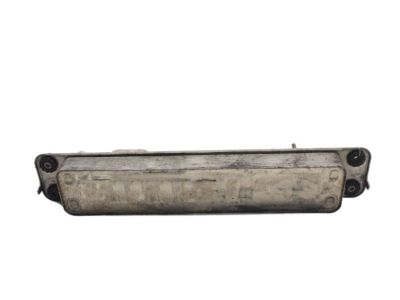
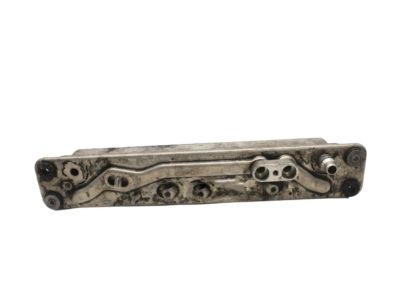
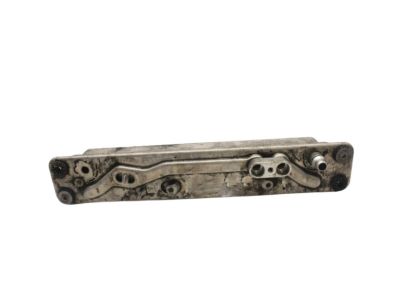
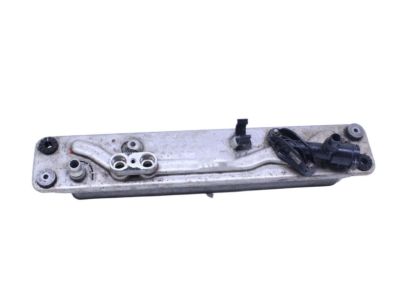
BMW Transmission Oil Cooler Heat Exchanger
Part Number: 17217589522$280.73 MSRP: $414.40You Save: $133.67 (33%)Ships in 1-3 Business DaysProduct Specifications- Other Name: Heat Exchanger; Oil Cooler
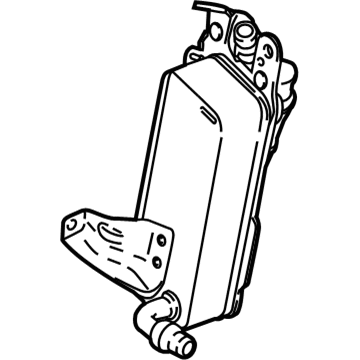
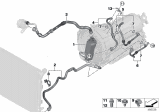
BMW Transmission Oil Cooler
Part Number: 17218607237$369.20 MSRP: $509.84You Save: $140.64 (28%)Ships in 1-3 Business DaysProduct Specifications- Other Name: Oil Cooler, Transmission Cooler
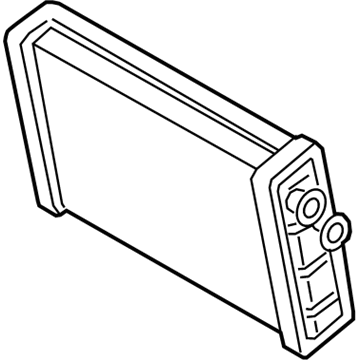
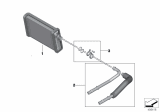
BMW Transmission Oil Cooler
Part Number: 64119361712$207.34 MSRP: $266.68You Save: $59.34 (23%)Ships in 1-3 Business DaysProduct Specifications- Other Name: Heat Exchanger; Heater Core
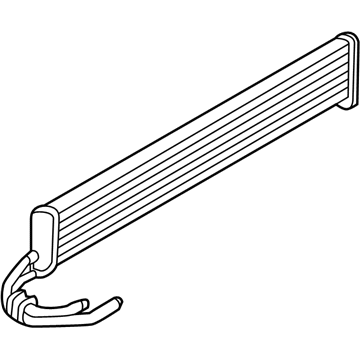
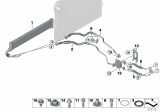
BMW Transmission Oil Cooler
Part Number: 17112284503$395.58 MSRP: $546.26You Save: $150.68 (28%)Ships in 1-3 Business DaysProduct Specifications- Other Name: Oil Cooler, Oil Cooler Pipe, Transmission Cooler
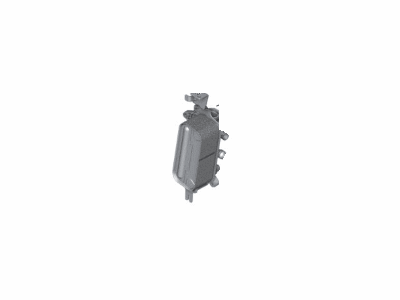
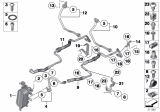
BMW Transmission Oil Cooler Line Heat Exchanger
Part Number: 17217638580$295.49 MSRP: $436.19You Save: $140.70 (33%)Ships in 1-3 Business DaysProduct Specifications- Other Name: Heat Exchanger; Transmission Cooler
- Replaces: 17-21-7-601-951
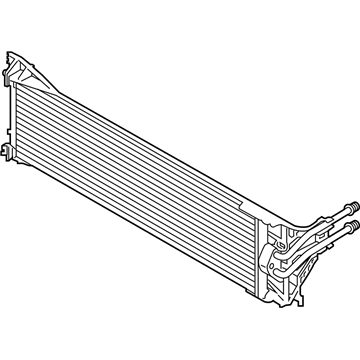
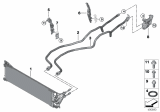
BMW Transmission Oil Cooler
Part Number: 17218642748$369.20 MSRP: $509.84You Save: $140.64 (28%)Ships in 1-3 Business DaysProduct Specifications- Other Name: Oil Cooler, Transmission Cooler
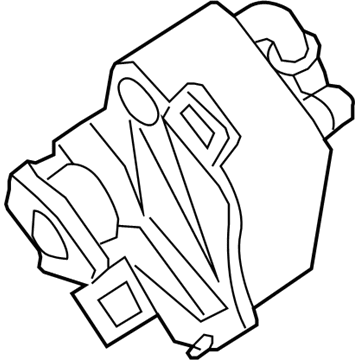
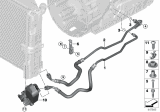
BMW Automatic Transmission Oil Cooler
Part Number: 17217551647$280.73 MSRP: $414.40You Save: $133.67 (33%)Ships in 1-3 Business DaysProduct Specifications- Other Name: Heat Exchanger; Oil Cooler, Transmission Cooler
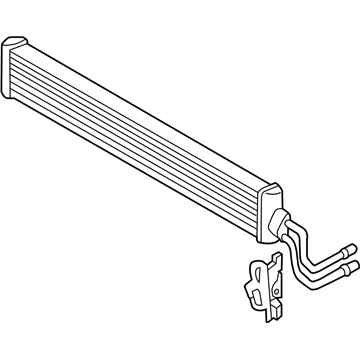
BMW Transmission Oil Cooler
Part Number: 17217575243$351.63 MSRP: $485.56You Save: $133.93 (28%)Ships in 1-3 Business DaysProduct Specifications- Other Name: Transmission Cooler
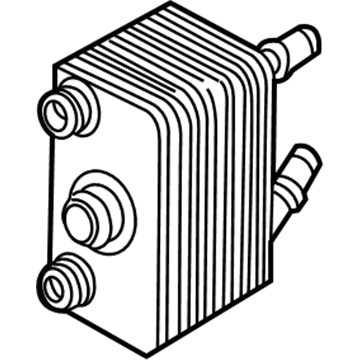
BMW Transmission Oil Cooler
Part Number: 17207500754$501.31 MSRP: $601.26You Save: $99.95 (17%)Ships in 1-3 Business DaysProduct Specifications- Other Name: Heat Exchanger; Oil Cooler
- Replaces: 17-10-1-439-112
| Page 1 of 5 |Next >
1-20 of 88 Results
BMW Transmission Oil Cooler
Keeping the smooth operation of a BMW vehicle relies on the condition of the Transmission Oil Cooler. A broken BMW Transmission Oil Cooler can lead to big performance issues and even a complete vehicle breakdown. To prevent such problems, you could regularly maintain your car and replace your parts. At BMWPartsDeal, we offer high-quality BMW Transmission Oil Cooler, all designed to keep your vehicle running at its best. Choose BMWPartsDeal for your auto parts needs, you will get your vehicle back to great performance, and save a lot by avoiding costly future repair jobs.
BMW Transmission Oil Cooler Parts Questions & Experts Answers
- Q: How do the Transmission Oil Cooler and ATF lines contribute to efficient heat exchange in the transmission, and what precautions should be taken when working on the cooling system on BMW 335i?A:ATF lines run from the transmission to the back part of the radiator proceeding to the ATF cooler. Cold start of an engine warms the engine coolant more than warms the transmission fluid by circulating the heat from the coolant, and improves the efficiency of the drag in the transmission to entail better fuel economy. When the ATF is at the normal running temperature it tends to be slightly hotter than the engine coolant and serves as a cooling apparatus for the ATF heat exchanger. That is why when dealing with the cooling system, it is always wrong to pour cold water into the coolant when the engine is hot or has overheated; if at all, one must use hot water to mix with the coolant while the engine is running and the water pump is also functioning. To try and avoid further formation of silicate gel, deposition and the potential reduction of cooling capacity, it is better to use BMW coolant or its equivalent low silicate antifreeze. When oil has been admitted into the cooling system, the radiator together with the expansion tank and heating circuit require washing with a cleaning agent and it is advisable that the radiator and expansion tank be detached for thorough washing. Also, if there is a job on the cooling system, the alternator must be blanked off to prevent drips on hot components and before disconnecting the battery, one should know some important precautions about battery disconnection.
- Q: How do ATF lines and the heat exchanger impact the Transmission Oil Cooler and fuel mileage on BMW X3?A:ATF lines link the transmission to the ATF cooler which is a conventional type cooler situates at the back of the radiator. In cold engine start up, the engine water is heated up more as compared to the transmission fluid. The heat from the engine coolant is used to further heat the ATF higher so there is less internal drag in the transmission and helps gain an extra few miles per gallon. After the ATF rises to normal operating temperature it is hotter than engine coolant; thus, the ATF heat exchanger becomes a cooler.
Related BMW Parts


Browse by Model
128i Transmission Oil Cooler 135i Transmission Oil Cooler 228i Transmission Oil Cooler 320i Transmission Oil Cooler 323Ci Transmission Oil Cooler 323i Transmission Oil Cooler 325Ci Transmission Oil Cooler 325i Transmission Oil Cooler 325xi Transmission Oil Cooler 328Ci Transmission Oil Cooler 328i Transmission Oil Cooler 328i xDrive Transmission Oil Cooler 328xi Transmission Oil Cooler 330Ci Transmission Oil Cooler 330e Transmission Oil Cooler 330i Transmission Oil Cooler 330xi Transmission Oil Cooler 335i Transmission Oil Cooler 335xi Transmission Oil Cooler 340i Transmission Oil Cooler 428i Transmission Oil Cooler 430i Transmission Oil Cooler 435i Transmission Oil Cooler 440i Transmission Oil Cooler 525i Transmission Oil Cooler 528i Transmission Oil Cooler 530i Transmission Oil Cooler 535i Transmission Oil Cooler 535i xDrive Transmission Oil Cooler 540i Transmission Oil Cooler 545i Transmission Oil Cooler 550i Transmission Oil Cooler 640i Transmission Oil Cooler 645Ci Transmission Oil Cooler 650i Transmission Oil Cooler 740i Transmission Oil Cooler 740iL Transmission Oil Cooler 745Li Transmission Oil Cooler 745i Transmission Oil Cooler 750Li Transmission Oil Cooler 750i Transmission Oil Cooler 750iL Transmission Oil Cooler 840Ci Transmission Oil Cooler 850Ci Transmission Oil Cooler Alpina B7 Transmission Oil Cooler M2 Transmission Oil Cooler M235i Transmission Oil Cooler M240i Transmission Oil Cooler M3 Transmission Oil Cooler M340i Transmission Oil Cooler M4 Transmission Oil Cooler M440i Transmission Oil Cooler M5 Transmission Oil Cooler M6 Transmission Oil Cooler M8 Transmission Oil Cooler X1 Transmission Oil Cooler X2 Transmission Oil Cooler X3 Transmission Oil Cooler X4 Transmission Oil Cooler X5 M Transmission Oil Cooler X5 Transmission Oil Cooler X6 Transmission Oil Cooler X7 Transmission Oil Cooler XM Transmission Oil Cooler Z4 Transmission Oil Cooler i3 Transmission Oil Cooler i4 Transmission Oil Cooler i8 Transmission Oil Cooler
View More