×
- Hello
- Login or Register
- Quick Links
- Live Chat
- Track Order
- Parts Availability
- RMA
- Help Center
- Contact Us
- Shop for
- BMW Parts
- BMW Accessories

My Garage
My Account
Cart
Genuine BMW M3 Fuel Level Sensor
Gas Gauge Sensor- Select Vehicle by Model
- Select Vehicle by VIN
Select Vehicle by Model
orSeries
Model
Year
Select Vehicle by VIN
For the most accurate results, select vehicle by your VIN (Vehicle Identification Number).
4 Fuel Level Sensors found
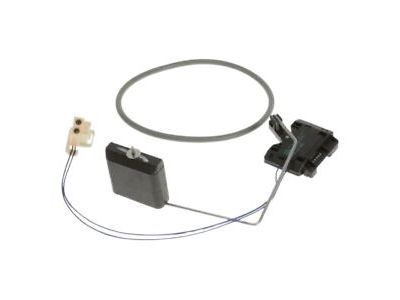

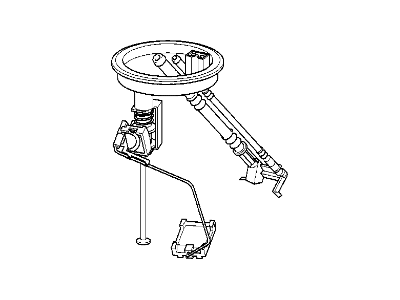
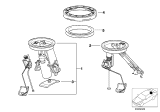
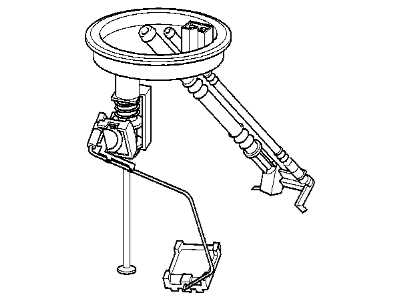
BMW M3 Right Fuel Level Sensor
Part Number: 16117159162$131.24 MSRP: $174.08You Save: $42.84 (25%)Ships in 1-2 Business Days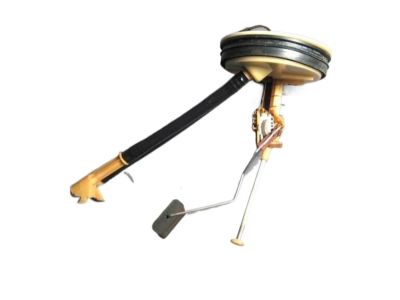
BMW M3 Fuel Level Sending Unit Left
Part Number: 16141180517$357.48 MSRP: $443.57You Save: $86.09 (20%)Ships in 1-3 Business Days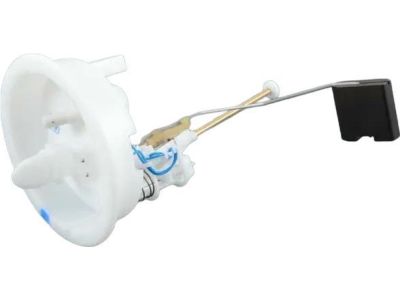
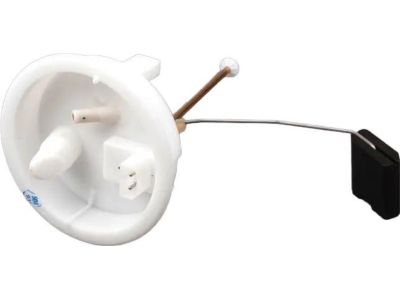
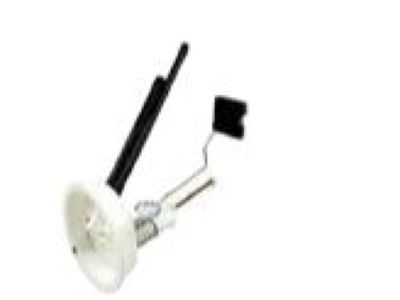
BMW M3 Sedan Fuel Level Sensor Left
Part Number: 16146758255$271.62 MSRP: $337.03You Save: $65.41 (20%)Ships in 1-3 Business Days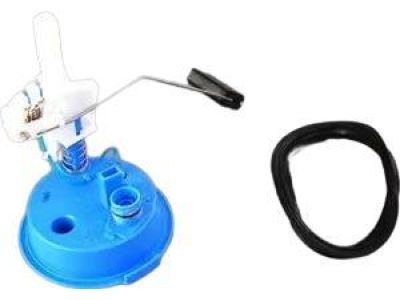
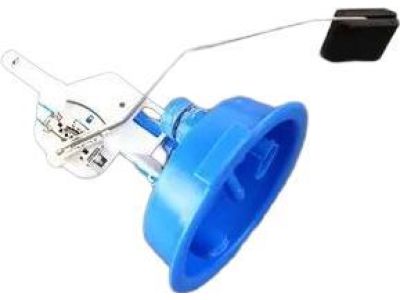
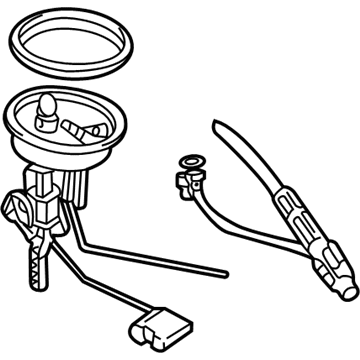
BMW M3 Left Fuel Level Sensor
Part Number: 16142229683$357.48 MSRP: $443.57You Save: $86.09 (20%)Ships in 1-3 Business Days
BMW M3 Fuel Level Sensor
BMW M3 Fuel Level Sensor provides precise, real-time fuel level readings to let drivers know when to top up. Hidden inside the tank is the Fuel Level Sensor that uses a float on an actuating rod to sweep a variable resistor and send an electrical signal to the gauge. Early generations of BMW sedans relied on a simple resistance strip, whereas later generations of the M3 use sophisticated Fuel Level Sensor electronics that can cope with higher heat, have reduced power consumption, and enable quick calibration. Both styles have the float-and-rod essence, but the newer layout provides filtering that allows signals from the filter to stop that stubborn full reading after a fill-up. Because the Fuel Level Sensor is in a harsh fuel bath, sturdy materials combat corrosion and slosh to maintain its reliability even through hard cornering that characterizes an M3 drive. Recent BMW dashboards display the reading digitally, and current M3 models have the same sender design underneath. Should the gauge act up, a faulty Fuel Level Sensor is usually to blame, and the dependable data it sends lets every BMW enthusiast judge remaining range with confidence.
If you are looking for OEM BMW M3 Fuel Level Sensor, we highly recommend to shop with us. Not only do we offer budget friendly prices, but we also provide fast delivery. In addition, we have a hassle-free return policy on all genuine BMW M3 Fuel Level Sensor that come backed by the manufacturer's warranty.
BMW M3 Fuel Level Sensor Parts Questions & Experts Answers
- Q:How to test the fuel level sensor on BMW M3?Posted by Vinod B.A:To test the Fuel Level Sensor, remove it as described, then temporarily reconnect the electrical connectors, turn the ignition switch to ON position without starting the engine, and move up and down the sensor float while watching the fuel level gauge. The gauge should follow the movement of the float. If fuel volume is 1.7 gallons (6.5 L) or less than that, then reserve contact is functioning well. Ohm meter can also be used to check actual float resistance for E36 models. The sensitivity to sensor resistance varies with model and production date. Removal and installation procedures are different on E30 models, E36 models, and Z3 models respectively. In all cases, this generally involves disconnection of negative battery cable followed by emptying of fuel if tank level is high; removal of rear seat cushion in order to get access to fuel pick up assembly; drive-by-wire plugs and fuel lines disconnections; removal of assembly itself among others. After that replace sealant as well as mounting ring before fitting in place; install assembly; connect wires together with their lines with petrol channels; fill up tank with petroleum thereby joining back a minus terminal wire into its socket-this is what any type will need during this period! However, if any part shows signs of being faulty, you must replace an entire unit since no one component on it is repairable at all! So after fixing up this device please first ensure that it functions correctly again - meaning everything must be fine enough apart from hidden leaks which must now be removed once they appear. On Z3 models passenger's seat has to be taken off thus making it easier to find perforated part in carpet over console behind back end seating area where we can open out a trapdoor leading directly towards gasoline storing compartments amongst others.Answered by BMW Parts Specialist Tony / May 06, 2025
Browse by Year
2013 Fuel Level Sensor 2012 Fuel Level Sensor 2011 Fuel Level Sensor 2010 Fuel Level Sensor 2009 Fuel Level Sensor 2008 Fuel Level Sensor 2006 Fuel Level Sensor 2005 Fuel Level Sensor 2004 Fuel Level Sensor 2003 Fuel Level Sensor 2002 Fuel Level Sensor 2001 Fuel Level Sensor 1999 Fuel Level Sensor 1998 Fuel Level Sensor 1997 Fuel Level Sensor 1996 Fuel Level Sensor 1995 Fuel Level Sensor