×
- Hello
- Login or Register
- Quick Links
- Live Chat
- Track Order
- Parts Availability
- RMA
- Help Center
- Contact Us
- Shop for
- BMW Parts
- BMW Accessories

My Garage
My Account
Cart
Genuine BMW M3 Mass Air Flow Sensor
MAF Sensor Meter- Select Vehicle by Model
- Select Vehicle by VIN
Select Vehicle by Model
orSeries
Model
Year
Select Vehicle by VIN
For the most accurate results, select vehicle by your VIN (Vehicle Identification Number).
7 Mass Air Flow Sensors found
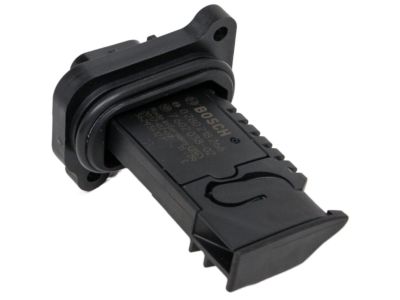
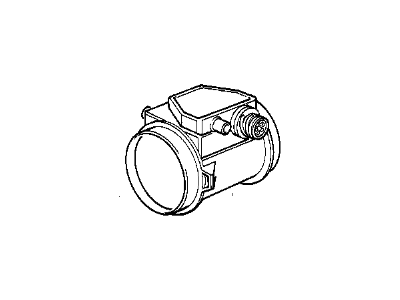
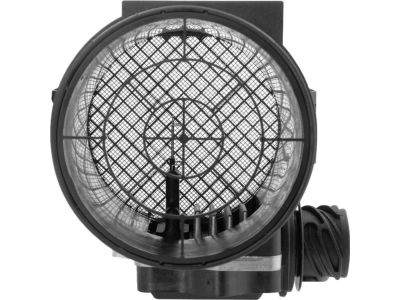
BMW M3 Mass Air Flow Sensor
Part Number: 13627602038$313.95 MSRP: $497.76You Save: $183.81 (37%)Ships in 1-3 Business Days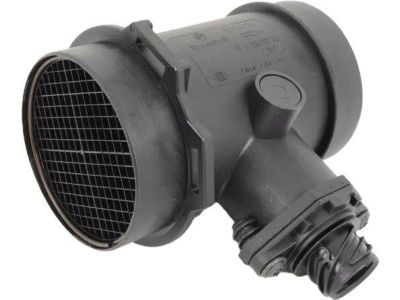
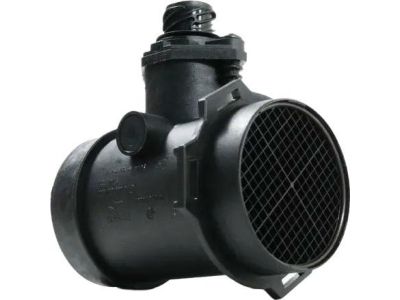
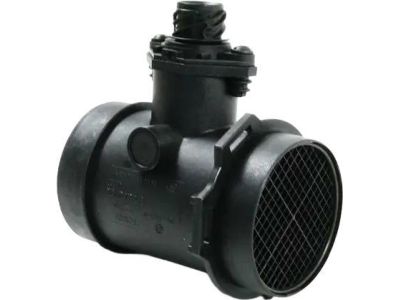
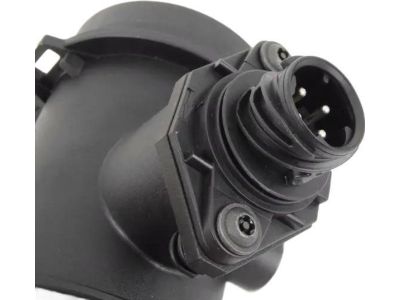
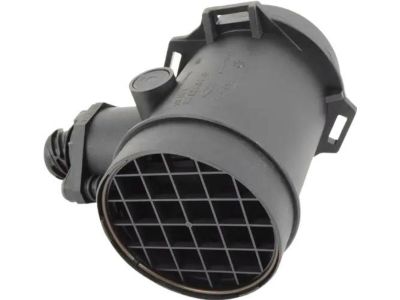
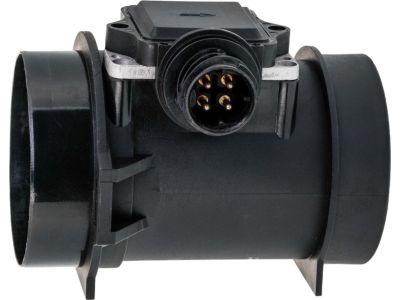
BMW M3 Mass Air Flow Sensor
Part Number: 13621747155$586.83 MSRP: $767.82You Save: $180.99 (24%)Ships in 1-3 Business Days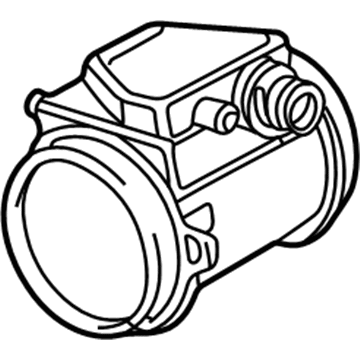
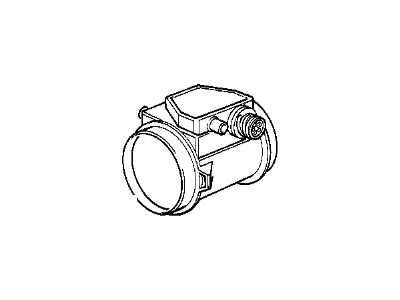
BMW M3 Mass Air Flow Sensor
Part Number: 13627839014$274.87 MSRP: $435.80You Save: $160.93 (37%)Ships in 1-3 Business Days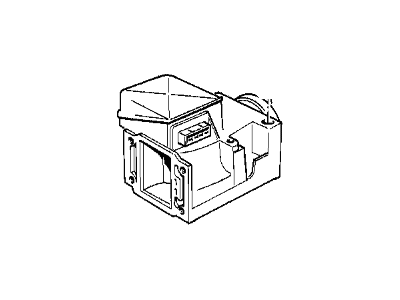
BMW M3 Mass Air Flow Sensor
Part Number: 13627547982$859.27 MSRP: $1121.55You Save: $262.28 (24%)Ships in 1-3 Business Days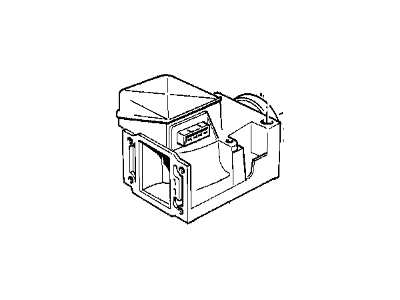
BMW M3 Air-Flow Sensor
Part Number: 13621466352$859.27 MSRP: $1121.55You Save: $262.28 (24%)Ships in 1-3 Business Days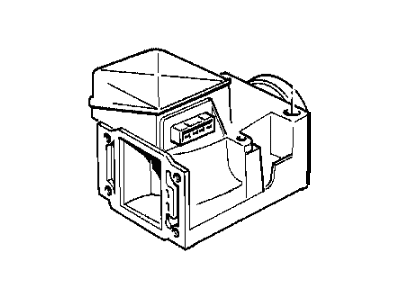
BMW M3 Mass Air Flow Sensor
Part Number: 13621307486$859.27 MSRP: $1121.55You Save: $262.28 (24%)Ships in 1-3 Business Days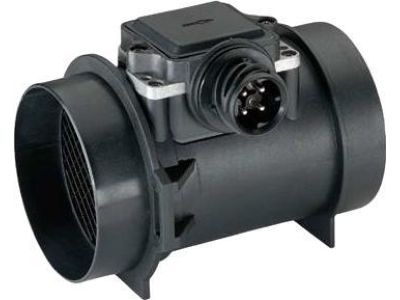
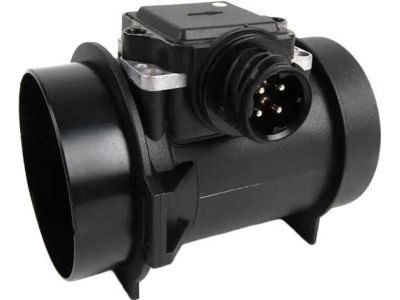
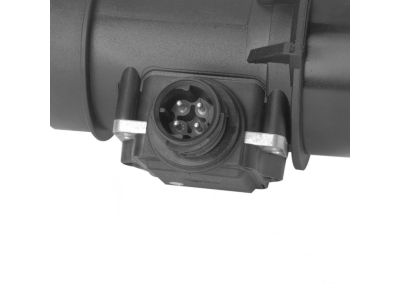
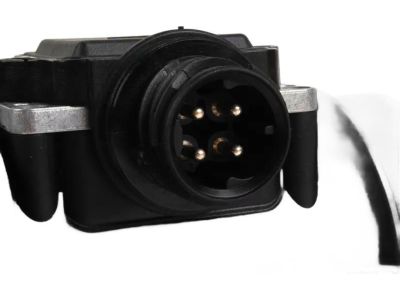
BMW M3 Mass Air Flow Sensor
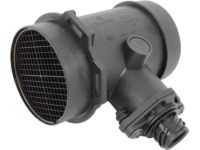
The BMW M3 Mass Air Flow Sensor is the intake system's highly important monitor as it relays the air volume information so the fuel delivery can remain matched for sharp throttle response. Nestled between the air filter and intake manifold is this Mass Air Flow Sensor, which supplies the ECU with airflow numbers and allows the computer to fine-tune the injector pulse width for all conditions, from idle to redline. Throughout BMW history, there have been two styles, the vane air flow meter and the hot wire design. The vane version is based on a spring-loaded flap that swings with incoming air, but its moving parts can wear and cause a slight restriction of breathing. The hot wire Mass Air Flow Sensor avoids that flap by heating a thin wire whose cooling rate indicates airflow, providing faster response and reduced intake resistance, but allowing for contamination of the wire with pollutants that will distort readings. Modern M3 versions are all based on the hot wire Mass Air Flow Sensor with its low restriction. If grime builds up or the sensor fails, hesitation, stalling, and warning lights ensue, so cleaning the Mass Air Flow Sensor regularly is smart practice for any BMW fan that wishes to have crisp M3 power and maintain that legendary BMW driving feeling.
If you are looking for OEM BMW M3 Mass Air Flow Sensor, we highly recommend to shop with us. Not only do we offer budget friendly prices, but we also provide fast delivery. In addition, we have a hassle-free return policy on all genuine BMW M3 Mass Air Flow Sensor that come backed by the manufacturer's warranty.
BMW M3 Mass Air Flow Sensor Parts Questions & Experts Answers
- Q:What are the two types of Mass Air Flow Sensors used on the BMW M3?Posted by Dora A.A:Two types of Mass Air Flow (MAF) sensors are used in the operation of a vehicle. The electro-mechanical vane type sensor consists of an air vane that moves a potentiometer, which calculates the air flow. The fully electronic MAF sensor, on the other hand, has no moving parts and measures the intake air flow electronically. Both sensors provide information to the Engine Control Module (ECM) to adjust the fuel-to-air ratio and control the fuel injectors accordingly. The MAF sensor calculates the intake air volume by using a reference current to heat a thin wire, which is then converted into a voltage measurement. This system allows for precise adjustment of the fuel mixture based on atmospheric conditions. In cars equipped with Automatic Slip Control and Traction (ASC+T), an additional throttle valve is controlled by an electronic throttle actuating motor for traction control purposes. When testing the MAF sensor, it is important to avoid touching the hot wire element or any electronic parts inside and to protect the element from dirt and fluids. The MAF sensor can be checked for faults using diagnostic equipment or by following specific steps, such as checking for a 5 volt signal and monitoring the ohmmeter readings. If the MAF sensor is faulty, the Check Engine light will be activated and a Diagnostic Trouble Code (DTC) will be stored. When removing or installing the MAF sensor, it is important to disconnect the electrical connector, loosen the necessary clamps, and secure the sensor properly.Answered by BMW Parts Specialist Noah / Jan 10, 2025
Related BMW M3 Parts
 BMW M3 Oxygen Sensor
 BMW M3 Coolant Temperature Sensor
 BMW M3 MAP Sensor
 BMW M3 Knock Sensor
 BMW M3 Throttle Position Sensor
 BMW M3 Crankshaft Position Sensor
 BMW M3 Camshaft Position Sensor
 BMW M3 Parking Assist Distance Sensor
 BMW M3 Vehicle Speed Sensor
 BMW M3 Fuel Temperature Sensor
 BMW M3 Temperature Sender
Browse by Year
2018 Mass Air Flow Sensor 2017 Mass Air Flow Sensor 2016 Mass Air Flow Sensor 2015 Mass Air Flow Sensor 2006 Mass Air Flow Sensor 2005 Mass Air Flow Sensor 2004 Mass Air Flow Sensor 2003 Mass Air Flow Sensor 2002 Mass Air Flow Sensor 2001 Mass Air Flow Sensor 1999 Mass Air Flow Sensor 1998 Mass Air Flow Sensor 1997 Mass Air Flow Sensor 1996 Mass Air Flow Sensor 1995 Mass Air Flow Sensor 1991 Mass Air Flow Sensor 1990 Mass Air Flow Sensor 1989 Mass Air Flow Sensor 1988 Mass Air Flow Sensor