×
- Hello
- Login or Register
- Quick Links
- Live Chat
- Track Order
- Parts Availability
- RMA
- Help Center
- Contact Us
- Shop for
- BMW Parts
- BMW Accessories

My Garage
My Account
Cart
Genuine BMW Z3 Drive Belt
Serpentine Belt- Select Vehicle by Model
- Select Vehicle by VIN
Select Vehicle by Model
orSeries
Model
Year
Select Vehicle by VIN
For the most accurate results, select vehicle by your VIN (Vehicle Identification Number).
9 Drive Belts found
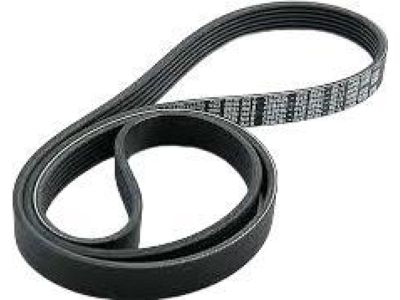
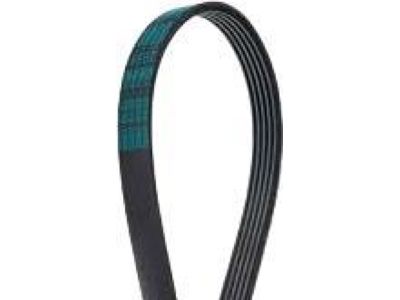
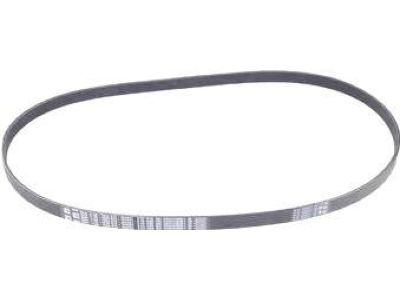
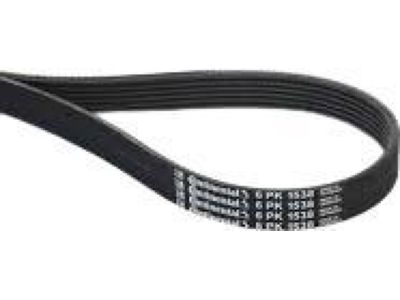
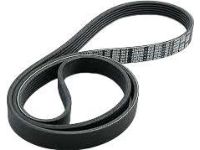
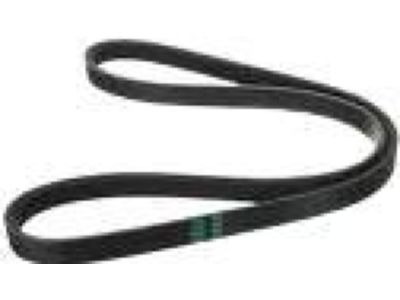
BMW Z3 Ribbed V-Belt
Part Number: 11287636379$50.50 MSRP: $69.10You Save: $18.60 (27%)Ships in 1-3 Business Days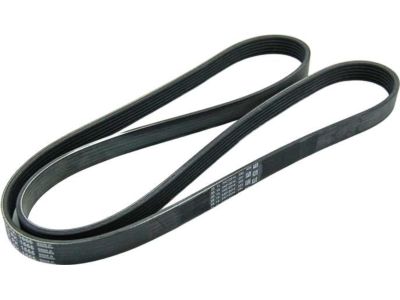
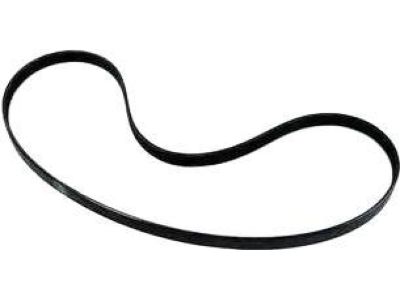
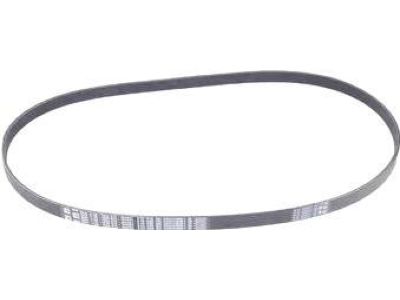
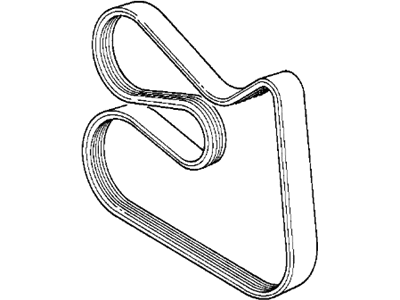
BMW Z3 Ribbed V-Belt
Part Number: 11287636378$50.50 MSRP: $69.10You Save: $18.60 (27%)Ships in 1-3 Business Days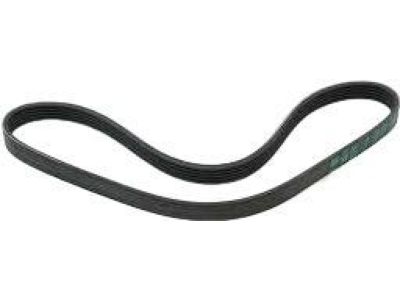
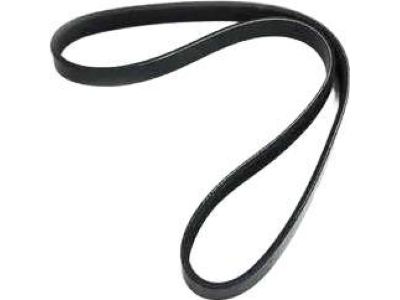
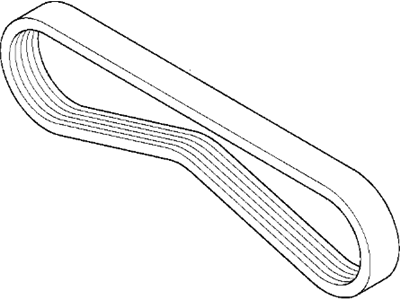
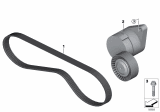
BMW Z3 Ribbed V-Belt
Part Number: 11281437450$34.03 MSRP: $46.57You Save: $12.54 (27%)Ships in 1-3 Business Days
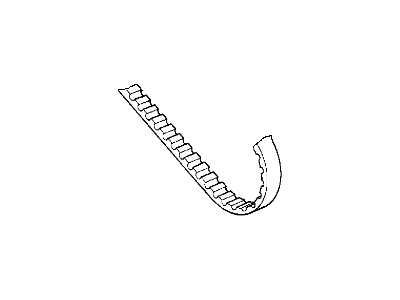
BMW Z3 Ribbed V-Belt
Part Number: 11281743193$34.03 MSRP: $46.57You Save: $12.54 (27%)Ships in 1-3 Business Days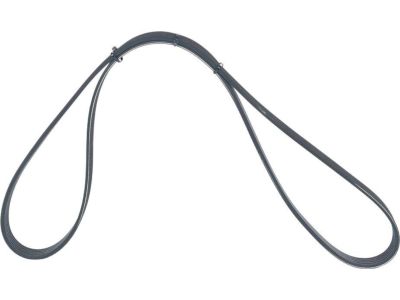
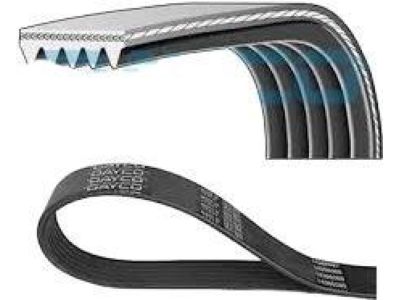
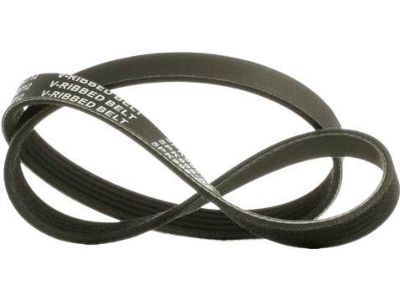
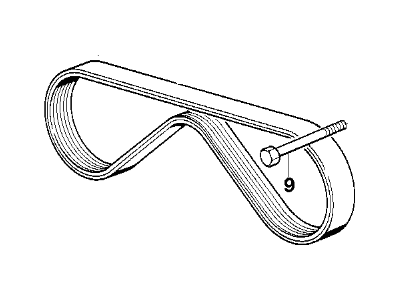
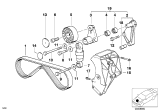
BMW Z3 Ribbed V-Belt
Part Number: 11281437873$46.95 MSRP: $64.25You Save: $17.30 (27%)Ships in 1-3 Business Days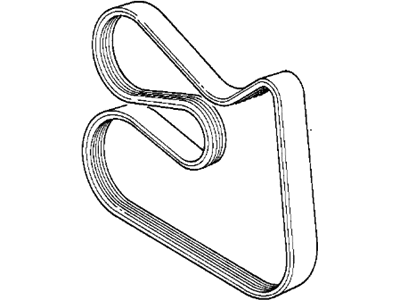
BMW Z3 Ribbed V-Belt
Part Number: 11281437929$50.50 MSRP: $69.10You Save: $18.60 (27%)Ships in 1-3 Business Days
BMW Z3 Ribbed V-Belt
Part Number: 11281437449$46.95 MSRP: $64.25You Save: $17.30 (27%)Ships in 1-3 Business Days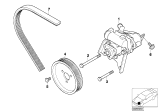
BMW Z3 Ribbed V-Belt
Part Number: 11281706545$50.50 MSRP: $69.10You Save: $18.60 (27%)Ships in 1-3 Business Days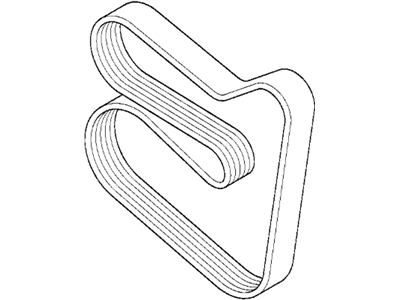
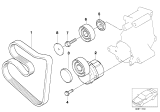
BMW Z3 Ribbed V-Belt
Part Number: 11281437369$59.73 MSRP: $81.73You Save: $22.00 (27%)Ships in 1-3 Business Days
BMW Z3 Drive Belt
BMW Z3 Drive Belt channels engine power to vital components, letting the alternator, water pump, power steering pump and A/C compressor run smoothly from the crankshaft pulley. Early versions relied on a fiber reinforced rubber V-belt, a simple loop that gripped pulley sides and usually one Drive Belt handled the fan, water pump and generator. As optional power steering, air conditioning and emissions pumps crowded the engine bay, the BMW Z3 model adopted multiple V-belts, yet this solution stole space and demanded regular retensioning. Engineers finally switched the car to a serpentine Drive Belt, a wider V-ribbed strip that snakes around idler pulleys and a spring loaded tensioner so one belt could spin every component while keeping steady tension without manual tweaks. Compared with the earlier V-belt setup, the serpentine Drive Belt lasts longer, fits tighter spaces and cuts maintenance on every BMW Z3, though owners must watch for glazing, fraying, fluid contamination or rib wear that turns the crisp V-shape into a slippery U-shape. On any BMW Z3, a worn serpentine Drive Belt may chirp, squeal or slip if pulleys misalign or the tensioner weakens, and excessive heat will shorten belt life.
If you are looking for OEM BMW Z3 Drive Belt, we highly recommend to shop with us. Not only do we offer budget friendly prices, but we also provide fast delivery. In addition, we have a hassle-free return policy on all genuine BMW Z3 Drive Belt that come backed by the manufacturer's warranty.
BMW Z3 Drive Belt Parts Questions & Experts Answers
- Q:What are the steps involved in inspecting drive belts on BMW Z3?Posted by Otto V.A:The inspection of drive belts hence calls for assessing its condition for glaze or crack by examination with a glazed belt showing slippage and cracked belts usually initiating on the inner side. Any worn out or damaged drive belt should be replaced in time while it is good practice to replace them all together as part of preventive maintenance. Manually adjusted belts need their tension and state checked every year with thumb pressure midway between pulleys used to assess tension. The belts should deflect correctly without sagging or having too much tension. The gap between outer surface to inner radial cracks must be watched, and course, cross-hatched driving surfaces are needed; the presence of very smooth surface means that there is belt slippage. In V-belts adjustment requires a locknut loosened, moving the component to obtain proper tension and retightening, whereas a multi-ribbed V-belt can be adjusted by loosening its pivot bolt then rotating the tensioning roller. Serpentine belts have automatic tensioners; therefore manual adjustment is not possible. Marking their direction of rotation when replacing belts is indispensable. When changing V-belts, loosen the adjustment bolt and pivot bolt so as to put them back at once afterwards. There are toothed bolts included in some components which make prying unnecessary. Proper routing needs to be done for multi-ribbed V-belts while tension is adjusted by rotating clockwise or anticlockwise depending on whether you want tightening or slackening respectively until desired level of tightness has been achieved after which one tightens up on his pivot bolt for his tensioner roller as per those words, For serpentine belts, they must fit correctly exactly same way as when fitted before if it happens again during spring-loaded tensioner assembly though, this can pose danger too-so much misplacement as these things keep making progress with. In case of air conditioner belts the methods of releasing tension will always be different depending on what kind of tensioners are being used whilst timing belts ought to be checked regularly and replaced if damaged, contaminated, removed for any reason or whenever their replacement period is not clear which generally happens after 50,000 miles or 4 years.Answered by BMW Parts Specialist Noah / Jul 25, 2026