×
- Hello
- Login or Register
- Quick Links
- Live Chat
- Track Order
- Parts Availability
- RMA
- Help Center
- Contact Us
- Shop for
- BMW Parts
- BMW Accessories

My Garage
My Account
Cart
Genuine BMW Z4 Tie Rod End
Steering Rod End- Select Vehicle by Model
- Select Vehicle by VIN
Select Vehicle by Model
orSeries
Model
Year
Select Vehicle by VIN
For the most accurate results, select vehicle by your VIN (Vehicle Identification Number).
6 Tie Rod Ends found
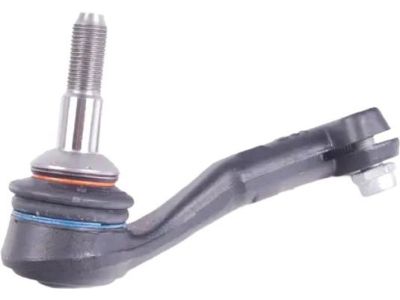
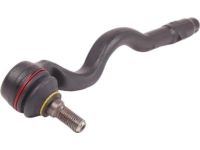
BMW Z4 Steering Tie Rod End Left
Part Number: 32106767781$105.63 MSRP: $107.52You Save: $1.89 (2%)Ships in 1-3 Business Days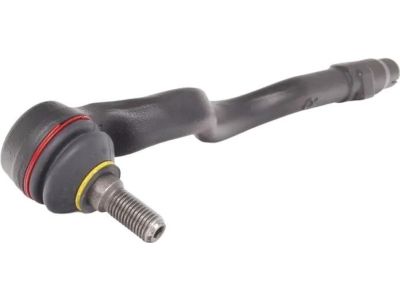
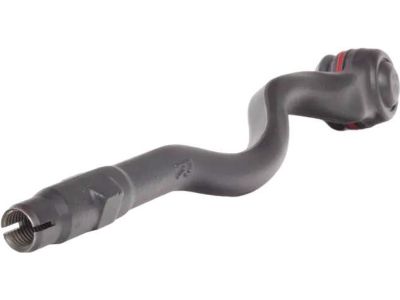
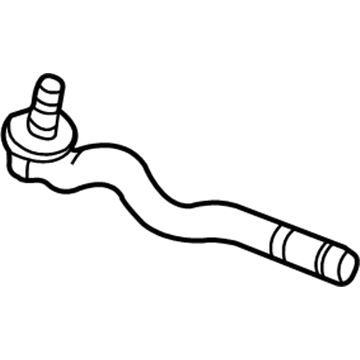
BMW Z4 Tie Rod End, Right
Part Number: 32106774221$132.64 MSRP: $184.59You Save: $51.95 (29%)Ships in 1-3 Business Days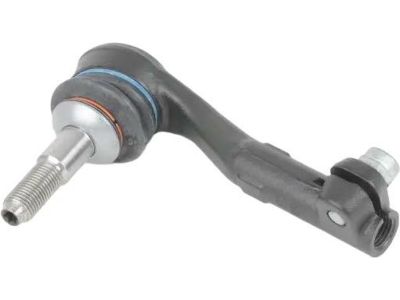
BMW Z4 Tie Rod End, Right
Part Number: 32106767782$105.63 MSRP: $107.52You Save: $1.89 (2%)Ships in 1-3 Business Days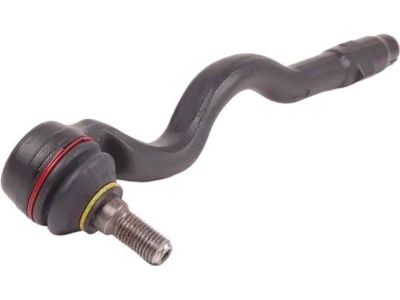
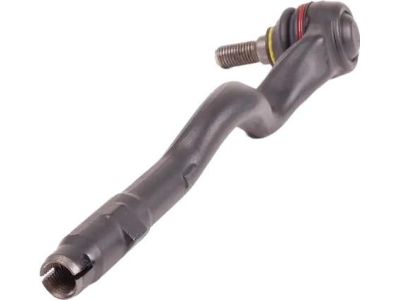
BMW Z4 Steering Tie Rod End Left
Part Number: 32106774220$132.64 MSRP: $184.59You Save: $51.95 (29%)Ships in 1-3 Business Days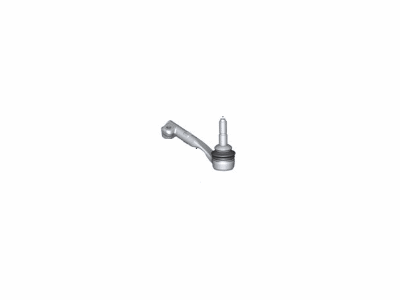
BMW Z4 BALL JOINT, LEFT
Part Number: 32106887400$115.01 MSRP: $177.78You Save: $62.77 (36%)Ships in 1-3 Business Days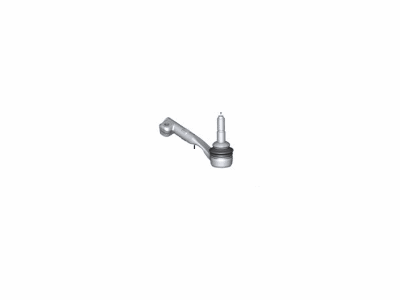
BMW Z4 BALL JOINT, RIGHT
Part Number: 32106887402$115.01 MSRP: $177.78You Save: $62.77 (36%)Ships in 1-3 Business Days
BMW Z4 Tie Rod End
BMW Z4 Tie Rod End provides crisp steering control to drivers, connected directly to each front wheel via a compact ball and socket joint. Working as the final link in the steering linkage, the Tie Rod End transfers force from the rack gear to the steering knuckle so the wheels swivel exactly as the steering wheel is turned. This ensures that the wheels remain aligned with even tire wear. BMW engineers opted for rack and pinions for all sporty versions of the Z4, so there is no external linkage required besides the Tie Rod End, which reduces weight and improves precision. Early E85 and E86 Z4 roadsters and coupes employed a traditional steel Tie Rod End with a serviceable grease socket. Later E89 and current G29 versions benefited from a sealed low-friction style that comes pre-lubricated for life, resists contamination, and eliminates routine greasing. The big issue centers around maintenance, as the sealed units are more convenient while the older style could be maintained periodically and then replaced. Every BMW Z4 has this layout, and every BMW Tie Rod End has an inner bar and outer joint with a threaded adjuster for toe settings combined with a hardened ball stud that pivots with the help of hydraulic and electric power steering assistance.
If you are looking for OEM BMW Z4 Tie Rod End, we highly recommend to shop with us. Not only do we offer budget friendly prices, but we also provide fast delivery. In addition, we have a hassle-free return policy on all genuine BMW Z4 Tie Rod End that come backed by the manufacturer's warranty.
BMW Z4 Tie Rod End Parts Questions & Experts Answers
- Q:How to remove and reinstall Tie Rod End on BMW Z4?Posted by Devon B.A:If re-assembly, then a new tie-rod end ball joint retaining nut will be needed. First use the parking brake, lift the front of the car and place it on jackstands and then take off the respective front wheel. Stain a point on of the tie-rod and take the dimension of the marked point and the center of the balljoint thus keeping records for wheel alignment when subsequently reinstalling the unit. Lay hold of the nut on the tie-rod and unwind the balljoint locknut; turn and detach the nut fixing the tie-rod end to the steering-knuckle with a universal balljoint separator to free the balljoint tapered shank. Determine the very number of rotations so that it is possible to unscrew the tie-rod end and being very delicate, clean the threads on the ballstud. If the balljoint shows excessive lateral movement, binds, appears worn or damaged, the tie-rod end should be replaced, along with checking stud taper and threads; should the rubber boot on the balljoint be damaged, the tie-rod end must be replaced since the boot is not sold separately. In the position described, you can take out the tie-rod freeing the locknut and collar, if necessary, between the tie-rod-end and the car; then screw on the new tie-rod end by the number of turns recorded at the time of removal to position the ball-joint correctly. Put back the balljoint shank at the Steering Knuckle then fit a new nut at the end of the balljoint and tighten it to the recommended torque while the locknut is also tightened. Fit back the wheel, bring down the car to the ground and finally, tighten the wheel bolts to the required torque. Last of all, measure and reset the front wheel toe as possible before final tightening the tie-rod end locknut to the standard torque.Answered by BMW Parts Specialist Koleman / Feb 23, 2022