×
- Hello
- Login or Register
- Quick Links
- Live Chat
- Track Order
- Parts Availability
- RMA
- Help Center
- Contact Us
- Shop for
- BMW Parts
- BMW Accessories

My Garage
My Account
Cart
Genuine 2011 BMW 335i Shock Absorber
Suspension Shock Absorber- Select Vehicle by Model
- Select Vehicle by VIN
Select Vehicle by Model
orSeries
Model
Year
Select Vehicle by VIN
For the most accurate results, select vehicle by your VIN (Vehicle Identification Number).
19 Shock Absorbers found
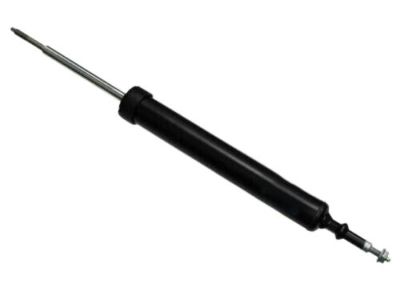
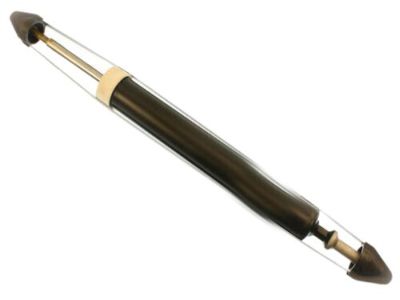
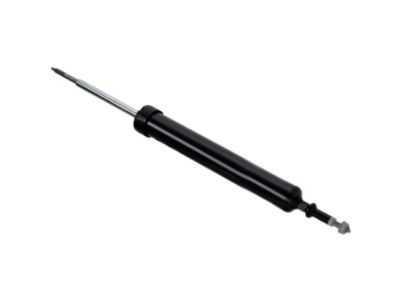
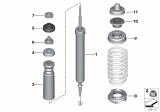
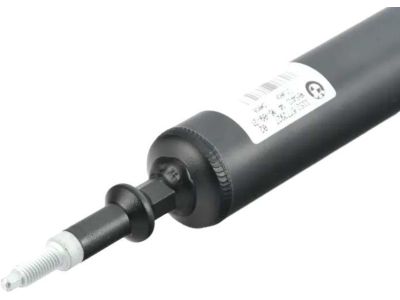
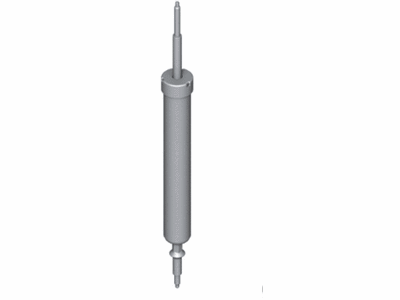
2011 BMW 335i Rear Shock Absorber
Part Number: 33526796161$176.25 MSRP: $277.07You Save: $100.82 (37%)Ships in 1-3 Business DaysProduct Specifications- Other Name: Shock Absorber, Rear; Shock, Shock Absorber
- Position: Rear
- Item Weight: 5.70 Pounds
- Condition: New
- Fitment Type: Direct Replacement
- SKU: 33526796161
- Warranty: This genuine part is guaranteed by BMW's factory warranty.
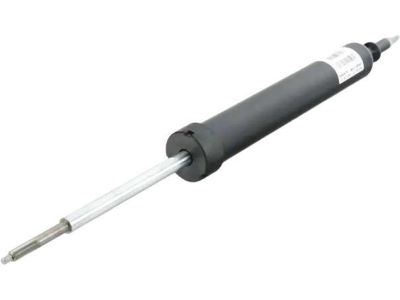
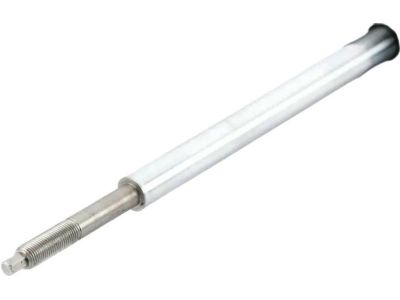
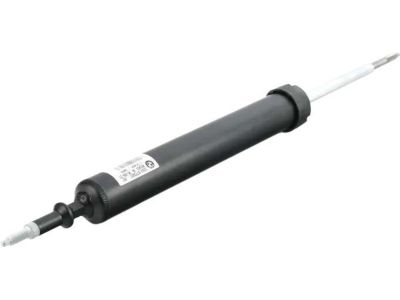
2011 BMW 335i Rear Shock Absorber
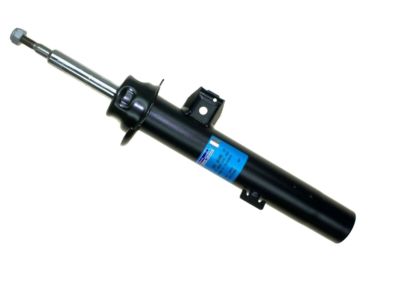
Part Number: 33526772927$176.25 MSRP: $277.07You Save: $100.82 (37%)Ships in 1-3 Business DaysProduct Specifications- Other Name: Shock Absorber, Rear; Shock, Shock Absorber
- Position: Rear
- Item Weight: 5.80 Pounds
- Condition: New
- Fitment Type: Direct Replacement
- Require Quantity: 2
- SKU: 33526772927
- Warranty: This genuine part is guaranteed by BMW's factory warranty.
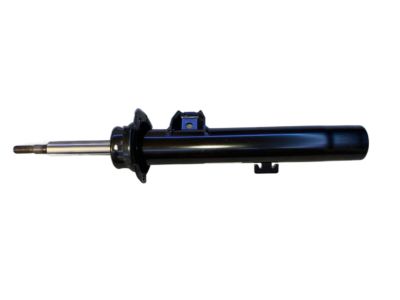
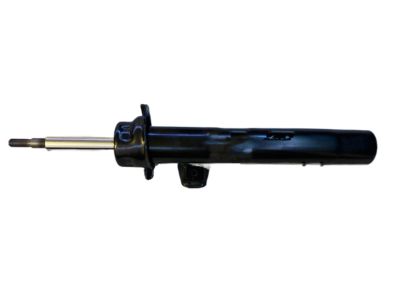
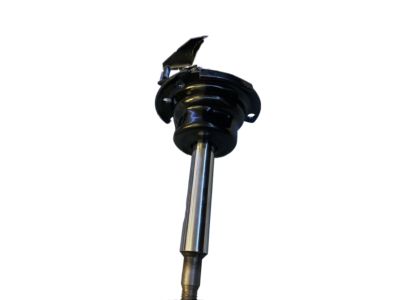
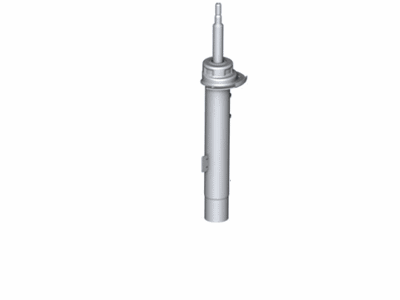
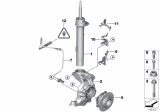
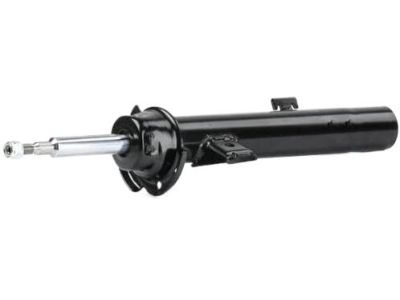
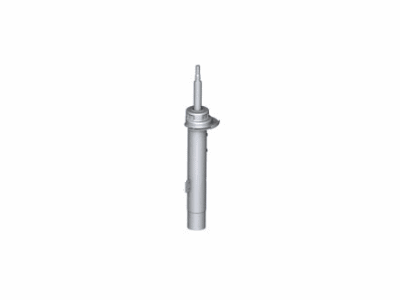
2011 BMW 335i Front Right Spring Strut
Part Number: 31316796160$325.45 MSRP: $497.57You Save: $172.12 (35%)Ships in 1-3 Business DaysProduct Specifications- Other Name: Strut
- Position: Passenger Side
- Item Weight: 10.50 Pounds
- Item Dimensions: 24.2 x 9.0 x 8.9 inches
- Condition: New
- Fitment Type: Direct Replacement
- SKU: 31316796160
- Warranty: This genuine part is guaranteed by BMW's factory warranty.
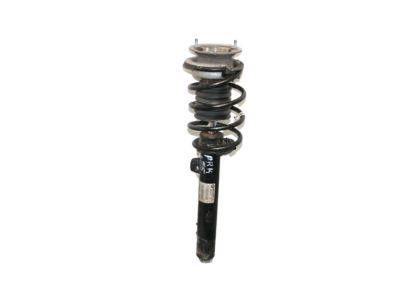
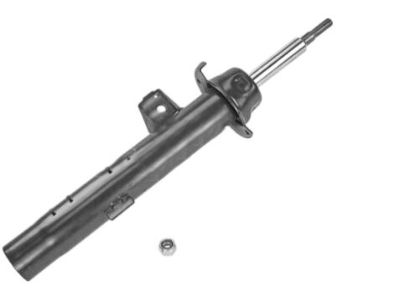
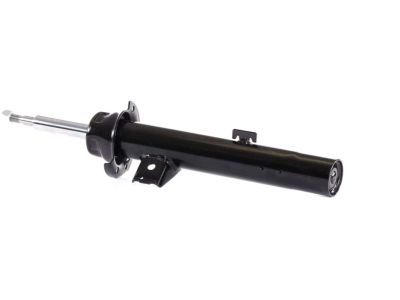
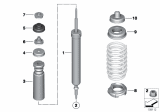
2011 BMW 335i Front Left Spring Strut
Part Number: 31316796159$325.45 MSRP: $497.57You Save: $172.12 (35%)Ships in 1-3 Business DaysProduct Specifications- Other Name: Left Front Spring Strut; Strut
- Position: Driver Side
- Item Weight: 10.60 Pounds
- Condition: New
- Fitment Type: Direct Replacement
- SKU: 31316796159
- Warranty: This genuine part is guaranteed by BMW's factory warranty.
2011 BMW 335i Rear Shock Absorber
Part Number: 33526771725$153.26 MSRP: $240.93You Save: $87.67 (37%)Ships in 1-3 Business DaysProduct Specifications- Other Name: Shock Absorber, Rear; Shock, Shock Absorber
- Position: Rear
- Replaces: 33-50-4-035-872
- Item Weight: 5.50 Pounds
- Condition: New
- Fitment Type: Direct Replacement
- Require Quantity: 2
- SKU: 33526771725
- Warranty: This genuine part is guaranteed by BMW's factory warranty.
2011 BMW 335i Rear Shock Absorber
Part Number: 33526796157$153.26 MSRP: $240.93You Save: $87.67 (37%)Ships in 1-3 Business DaysProduct Specifications- Other Name: Shock Absorber, Rear; Shock, Shock Absorber
- Position: Rear
- Item Weight: 5.90 Pounds
- Condition: New
- Fitment Type: Direct Replacement
- Require Quantity: 2
- SKU: 33526796157
- Warranty: This genuine part is guaranteed by BMW's factory warranty.
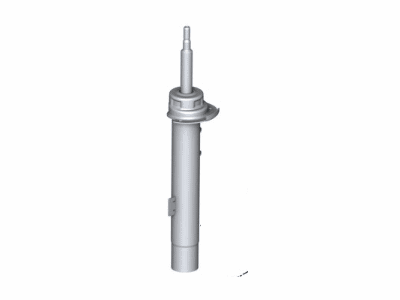
2011 BMW 335i Front Left Spring Strut
Part Number: 31316796155$288.02 MSRP: $440.34You Save: $152.32 (35%)Ships in 1-3 Business DaysProduct Specifications- Other Name: Left Front Spring Strut; Strut
- Position: Driver Side
- Item Weight: 11.10 Pounds
- Condition: New
- Fitment Type: Direct Replacement
- SKU: 31316796155
- Warranty: This genuine part is guaranteed by BMW's factory warranty.
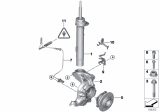
2011 BMW 335i Front Left Spring Strut
Part Number: 31316785589$288.02 MSRP: $440.34You Save: $152.32 (35%)Ships in 1-3 Business DaysProduct Specifications- Other Name: Left Front Spring Strut; Strut
- Position: Driver Side
- Replaces: 31-31-6-780-075, 31-30-6-777-093
- Item Weight: 11.10 Pounds
- Condition: New
- Fitment Type: Direct Replacement
- SKU: 31316785589
- Warranty: This genuine part is guaranteed by BMW's factory warranty.
2011 BMW 335i Front Left Suspension Strut
Part Number: 31316785591$325.45 MSRP: $497.57You Save: $172.12 (35%)Ships in 1-3 Business DaysProduct Specifications- Other Name: Left Front Spring Strut; Strut
- Position: Driver Side
- Replaces: 31-30-6-777-095, 31-31-6-780-079
- Item Weight: 10.30 Pounds
- Condition: New
- Fitment Type: Direct Replacement
- SKU: 31316785591
- Warranty: This genuine part is guaranteed by BMW's factory warranty.
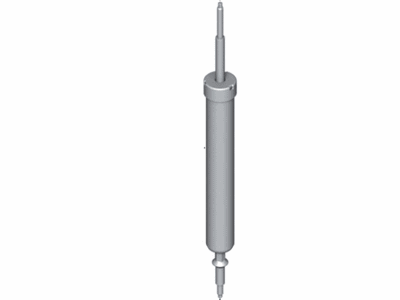
2011 BMW 335i Rear Left Shock Absorber
Part Number: 33526771729$176.25 MSRP: $277.07You Save: $100.82 (37%)Ships in 1-3 Business DaysProduct Specifications- Other Name: Shock Absorber, Rear; Shock, Shock Absorber
- Position: Rear Driver Side
- Replaces: 33-50-4-035-873
- Item Weight: 5.50 Pounds
- Condition: New
- Fitment Type: Direct Replacement
- Require Quantity: 2
- SKU: 33526771729
- Warranty: This genuine part is guaranteed by BMW's factory warranty.
2011 BMW 335i Front Right Spring Strut
Part Number: 31316786016$325.45 MSRP: $497.57You Save: $172.12 (35%)Ships in 1-3 Business DaysProduct Specifications- Other Name: Strut
- Position: Passenger Side
- Replaces: 31-31-6-772-924, 31-31-6-768-224
- Item Weight: 10.40 Pounds
- Item Dimensions: 24.2 x 8.7 x 8.6 inches
- Condition: New
- Fitment Type: Direct Replacement
- SKU: 31316786016
- Warranty: This genuine part is guaranteed by BMW's factory warranty.
2011 BMW 335i Front Left Suspension Strut
Part Number: 31316786015$325.45 MSRP: $497.57You Save: $172.12 (35%)Ships in 1-3 Business DaysProduct Specifications- Other Name: Left Front Spring Strut; Strut
- Position: Driver Side
- Replaces: 31-31-6-768-223, 31-31-6-772-923
- Item Weight: 10.80 Pounds
- Condition: New
- Fitment Type: Direct Replacement
- SKU: 31316786015
- Warranty: This genuine part is guaranteed by BMW's factory warranty.
2011 BMW 335i Front Right Suspension Strut
Part Number: 31316786004$325.45 MSRP: $497.57You Save: $172.12 (35%)Ships in 1-3 Business DaysProduct Specifications- Other Name: Front Right Spring Strut; Strut
- Position: Passenger Side
- Replaces: 31-31-4-036-122, 31-30-6-771-180
- Item Weight: 10.80 Pounds
- Item Dimensions: 23.7 x 9.0 x 8.8 inches
- Condition: New
- Fitment Type: Direct Replacement
- SKU: 31316786004
- Warranty: This genuine part is guaranteed by BMW's factory warranty.
2011 BMW 335i Front Right Shock Absorber Strut
Part Number: 31316796156$288.02 MSRP: $440.34You Save: $152.32 (35%)Ships in 1-3 Business DaysProduct Specifications- Other Name: Front Right Spring Strut; Strut
- Position: Passenger Side
- Item Weight: 10.90 Pounds
- Condition: New
- Fitment Type: Direct Replacement
- SKU: 31316796156
- Warranty: This genuine part is guaranteed by BMW's factory warranty.
2011 BMW 335i Front Right Suspension Strut
Part Number: 31316785590$288.02 MSRP: $440.34You Save: $152.32 (35%)Ships in 1-3 Business DaysProduct Specifications- Other Name: Front Right Spring Strut; Strut
- Position: Passenger Side
- Replaces: 31-31-6-780-076, 31-30-6-777-094
- Item Weight: 10.70 Pounds
- Condition: New
- Fitment Type: Direct Replacement
- SKU: 31316785590
- Warranty: This genuine part is guaranteed by BMW's factory warranty.
2011 BMW 335i Front Left Spring Strut
Part Number: 31316786003$325.45 MSRP: $497.57You Save: $172.12 (35%)Ships in 1-3 Business DaysProduct Specifications- Other Name: Left Front Spring Strut; Strut
- Position: Driver Side
- Replaces: 31-31-4-036-121, 31-30-6-771-179
- Item Weight: 10.50 Pounds
- Condition: New
- Fitment Type: Direct Replacement
- SKU: 31316786003
- Warranty: This genuine part is guaranteed by BMW's factory warranty.
2011 BMW 335i Front Right Suspension Strut
Part Number: 31316785592$325.45 MSRP: $497.57You Save: $172.12 (35%)Ships in 1-3 Business DaysProduct Specifications- Other Name: Front Right Spring Strut; Strut
- Position: Passenger Side
- Replaces: 31-30-6-777-096, 31-31-6-780-080
- Item Weight: 11.00 Pounds
- Item Dimensions: 23.2 x 8.6 x 8.7 inches
- Condition: New
- Fitment Type: Direct Replacement
- SKU: 31316785592
- Warranty: This genuine part is guaranteed by BMW's factory warranty.
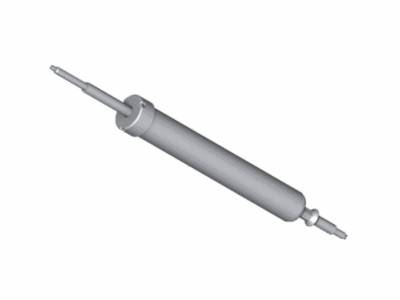
2011 BMW 335i Rear Left Shock Absorber
Part Number: 33526780199$176.25 MSRP: $277.07You Save: $100.82 (37%)Product Specifications- Other Name: Shock Absorber, Rear; Shock Absorber
- Position: Rear Driver Side
- Item Weight: 5.50 Pounds
- Condition: New
- Fitment Type: Direct Replacement
- Require Quantity: 2
- SKU: 33526780199
- Warranty: This genuine part is guaranteed by BMW's factory warranty.
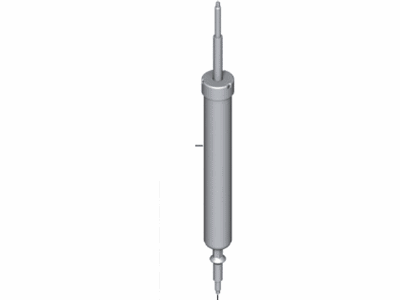
2011 BMW 335i Rear Shock Absorber
Part Number: 33526780195$153.26 MSRP: $240.93You Save: $87.67 (37%)Product Specifications- Other Name: Shock Absorber, Rear; Shock Absorber
- Position: Rear
- Item Weight: 5.90 Pounds
- Condition: New
- Fitment Type: Direct Replacement
- Require Quantity: 2
- SKU: 33526780195
- Warranty: This genuine part is guaranteed by BMW's factory warranty.
2011 BMW 335i Shock Absorber
Are you in need of a high-quality yet affordable OEM 2011 BMW 335i Shock Absorber? Look no further. Our website boasts an extensive selection of genuine 2011 BMW 335i Shock Absorber, all priced competitively. Plus, our top-notch customer service and speedy delivery options ensure a seamless shopping experience for you.
2011 BMW 335i Shock Absorber Parts Questions & Experts Answers
- Q:How to remove and install the front Shock Absorber on 2011 BMW 335i?Posted by Stepan A.A:Raise the car and remove the front wheel. Remove the clips securing the brake fluid hydraulic line to the front strut, then detach the wheel speed sensor wire harness and brake pad wear sensor wire harness from the strut housing. Remove the upper stabilizer bar connecting link mounting nut, using a thin wrench to counterhold the shaft of the stabilizer bar link ball joint while removing the nut. Support the steering knuckle with a suitable jack and remove the front strut pinch bolt. Loosen the control arm and tension strut bolts at the subframe to avoid damaging the bonded rubber bushings. If necessary, use a special tool to spread the steering knuckle pinch collar. In the engine compartment, remove the strut brace, noting the position of the strut centering pin. If the centering pin is missing, mark the position of the strut top bearing studs on the strut tower to maintain the original camber. Secure the spring strut to prevent it from falling out, then remove the upper strut top bearing fasteners and take the strut downwards out of the wheel arch. If replacing the strut, disassemble and reassemble the strut assembly on a bench. The letter on the strut tube designates the mounting location, with struts marked R for right and L for left. The remainder of the installation is the reverse of removal, ensuring to face the bolt head of the strut to the steering knuckle bolt in the direction of travel, making sure the steering knuckle contacts the stop on the strut. When attaching the stabilizer link to the strut, use a thin wrench to counterhold the link ball joint while tightening the nut. Tighten the bonded rubber fasteners with the car on the ground and loaded, bounce the suspension a few times before final tightening, and check alignment when the job is complete.Answered by BMW Parts Specialist Noah / Aug 04, 2025


