×
- Hello
- Login or Register
- Quick Links
- Live Chat
- Track Order
- Parts Availability
- RMA
- Help Center
- Contact Us
- Shop for
- BMW Parts
- BMW Accessories

My Garage
My Account
Cart
Genuine BMW M3 Flywheel
Clutch Flywheel- Select Vehicle by Model
- Select Vehicle by VIN
Select Vehicle by Model
orSeries
Model
Year
Select Vehicle by VIN
For the most accurate results, select vehicle by your VIN (Vehicle Identification Number).
11 Flywheels found
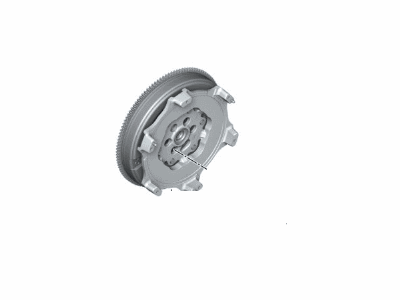
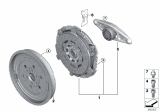
BMW M3 Twin Mass Flywheel
Part Number: 21212283028$1292.57 MSRP: $1800.34You Save: $507.77 (29%)Ships in 1-3 Business Days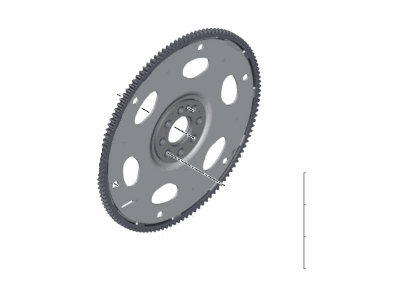
BMW M3 Flywheel Automatic
Part Number: 11228612144$730.92 MSRP: $901.70You Save: $170.78 (19%)Ships in 1-3 Business Days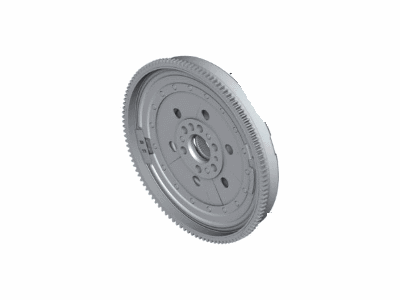
BMW M3 Twin Mass Flywheel
Part Number: 21212283829$1292.57 MSRP: $1800.34You Save: $507.77 (29%)Ships in 1-3 Business Days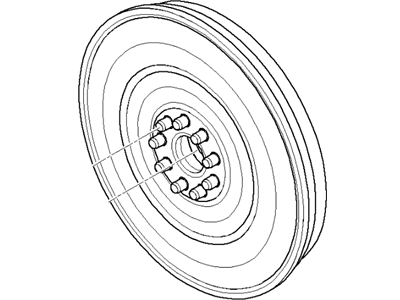
BMW M3 Twin Mass Flywheel
Part Number: 21212283820$2154.26 MSRP: $3000.53You Save: $846.27 (29%)Ships in 1-3 Business Days
BMW M3 Twin Mass Flywheel
Part Number: 21209503490$1615.70 MSRP: $2250.40You Save: $634.70 (29%)Ships in 1-3 Business Days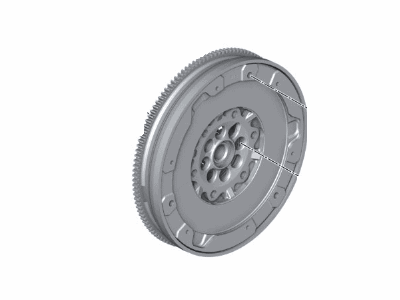
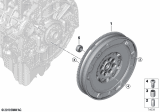
BMW M3 Twin Mass Flywheel
Part Number: 21212229900$1728.95 MSRP: $2408.15You Save: $679.20 (29%)Ships in 1-3 Business Days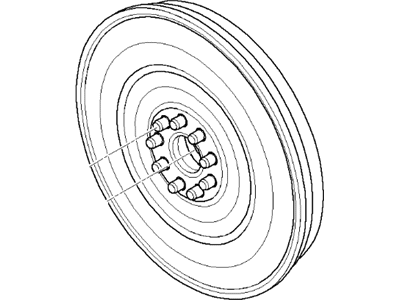
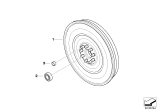
BMW M3 Twin Mass Flywheel
Part Number: 21212283810$2154.26 MSRP: $3000.53You Save: $846.27 (29%)Ships in 1-3 Business Days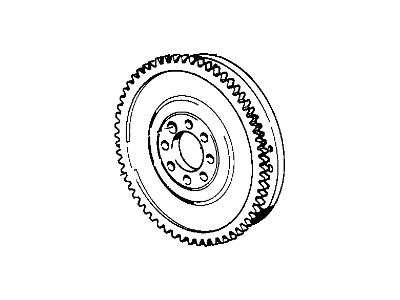
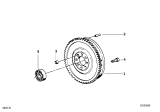
BMW M3 Twin Mass Flywheel
Part Number: 21212229015$1536.30 MSRP: $2139.81You Save: $603.51 (29%)Ships in 1-3 Business Days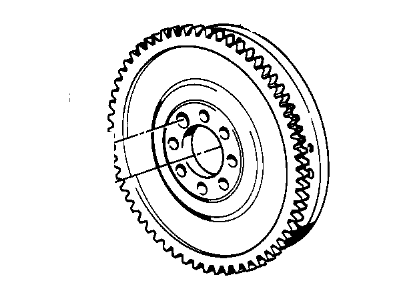
BMW M3 Twin Mass Flywheel
Part Number: 21212227820$2912.38 MSRP: $4056.47You Save: $1144.09 (29%)Ships in 1-3 Business Days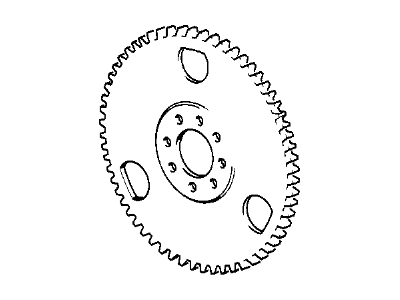
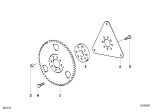
BMW M3 Flywheel
Part Number: 11221717383$592.36 MSRP: $710.47You Save: $118.11 (17%)Ships in 1-3 Business Days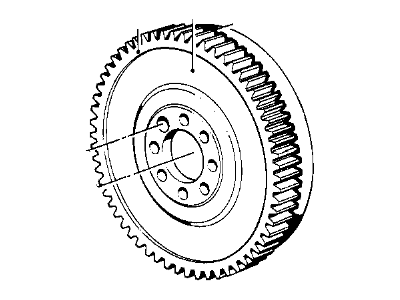
BMW M3 Flywheel
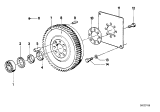
The BMW M3 Flywheel aids the crankshaft by storing energy between combustion strokes and ensuring smooth power delivery and start-up. During every generation, the Flywheel bolts to the crank, and the outer ring gear permits the starter to crank the engine until ignition takes over. The component is also provided with a friction face that is applied by the clutch disc for gripping. Throughout the history of the car, there have been two main styles of Flywheel, the solid Flywheel and the dual mass Flywheel. Although the two Flywheels work toward the same goal of smoothness and stability, they differ when you take a peek at their construction. The solid version is a one-piece disc that can often be lightly resurfaced when heat marks and grooves appear. The dual mass type splits into primary and secondary parts with spring dampers that absorb vibration. However, these cannot be machined. If failure or excess runout occurs, then they need replacing. A Flywheel swap is normally required because of clutch wear, warped faces, or chipped ring teeth. When the damping springs within a dual mass fail, noise and shake warn the driver. The earlier models of BMW kept a simpler solid unit, but later M3 models received a dual mass for quieter driveline manners. When the right component is chosen, it keeps any BMW M3 eager to rev smoothly off the line.
If you are looking for OEM BMW M3 Flywheel, we highly recommend to shop with us. Not only do we offer budget friendly prices, but we also provide fast delivery. In addition, we have a hassle-free return policy on all genuine BMW M3 Flywheel that come backed by the manufacturer's warranty.
BMW M3 Flywheel Parts Questions & Experts Answers
- Q:How to inspect and replace the rear main/flywheel seal and flywheel on BMW M3?Posted by Troy R.A:Inspect the rear main/flywheel seal for leakage when inspecting the flywheel. Replace as necessary. The flywheel should be inspected for ring gear damage, fluid contamination, warpage flatness and thickness variations, speed and reference sensor damage, and surface irregularities such as scoring, cracking, and signs of overheating. If the flywheel's clutch surface shows signs of deterioration or wear, it should be replaced. Symptoms of an improper flywheel clutch surface include clutch chatter during engagement and disengagement, poor shifting qualities, or grabbing. If the rear main/flywheel seal is leaking or the flywheel needs to be replaced, it should be replaced at this time. An oil-saturated clutch disk can cause clutch slippage, burning odors, and poor disengagement and engagement qualities. Dual mass flywheels, such as the one installed on E36 models, have a viscous coupling that can be checked with the Pressure Plate installed or removed. To check the viscous coupling, place a protective cloth over the pressure plate and rotate it in a clockwise direction until the flywheel barely begins to move. Match mark the pressure plate and the outer body of the flywheel. Then, rotate the pressure plate in a counterclockwise direction until the flywheel barely begins to move and match mark it again. The pressure plate should be able to be moved between the two match marks without excessive force or looseness.Answered by BMW Parts Specialist Tony / Mar 27, 2025
Browse by Year
2024 Flywheel 2023 Flywheel 2022 Flywheel 2021 Flywheel 2018 Flywheel 2017 Flywheel 2016 Flywheel 2015 Flywheel 2013 Flywheel 2012 Flywheel 2011 Flywheel 2010 Flywheel 2009 Flywheel 2008 Flywheel 2006 Flywheel 2005 Flywheel 2004 Flywheel 2003 Flywheel 2002 Flywheel 2001 Flywheel 1999 Flywheel 1998 Flywheel 1997 Flywheel 1996 Flywheel 1995 Flywheel 1991 Flywheel 1990 Flywheel 1989 Flywheel 1988 Flywheel