×
- Hello
- Login or Register
- Quick Links
- Live Chat
- Track Order
- Parts Availability
- RMA
- Help Center
- Contact Us
- Shop for
- BMW Parts
- BMW Accessories

My Garage
My Account
Cart
Genuine BMW Occupant Detection Sensor
OPDS Sensor- Select Vehicle by Model
- Select Vehicle by VIN
Select Vehicle by Model
orSeries
Model
Year
Select Vehicle by VIN
For the most accurate results, select vehicle by your VIN (Vehicle Identification Number).
63 Occupant Detection Sensors found
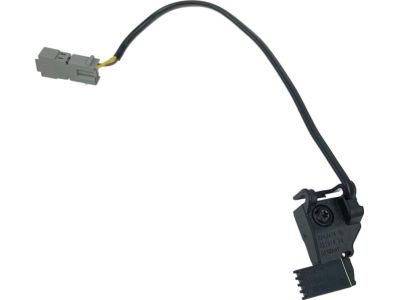
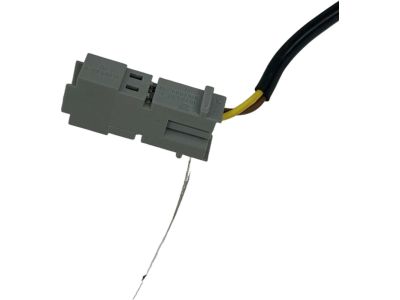
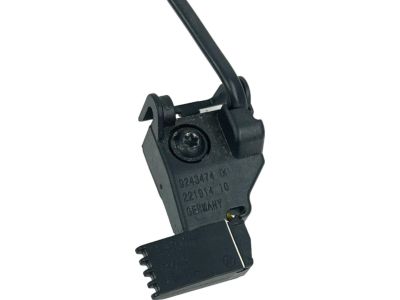
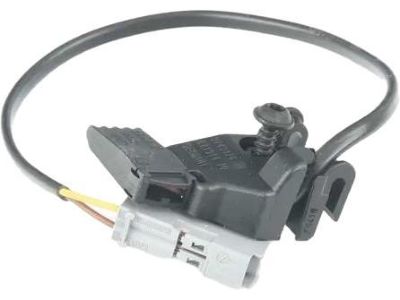
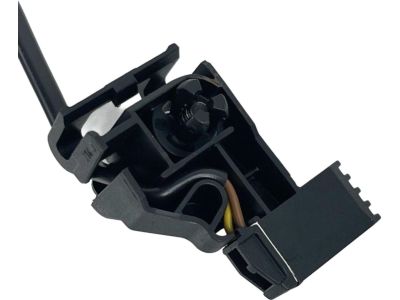
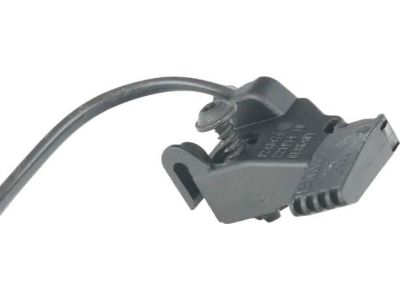
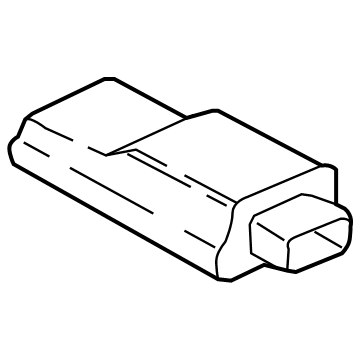
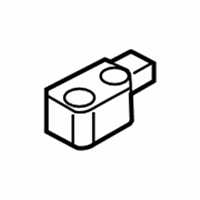
BMW Sensor, Passenger'S Seat
Part Number: 61319243474$112.23 MSRP: $133.83You Save: $21.60 (17%)Ships in 1-2 Business DaysProduct Specifications- Position: Passenger Side
BMW Electronics Seat Occupancy Detection
Part Number: 65776991455$111.03 MSRP: $136.29You Save: $25.26 (19%)Ships in 1-3 Business DaysProduct Specifications- Replaces: 65-77-6-811-464, 65-77-9-383-645
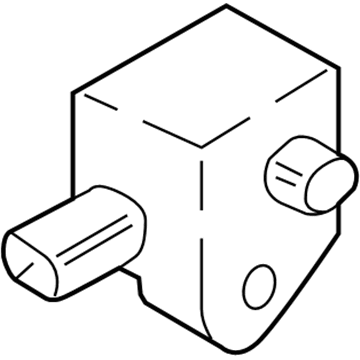
BMW Accelerating Sensor
Part Number: 65779341546$117.81 MSRP: $140.49You Save: $22.68 (17%)Ships in 1-3 Business Days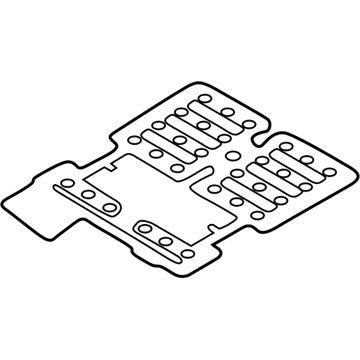
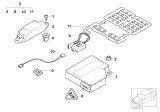
BMW Sensor Mat, Co-Driver'S Airbag
Part Number: 65776921952$171.06 MSRP: $213.54You Save: $42.48 (20%)Product Specifications- Replaces: 72-10-8-099-028, 72-10-8-235-912
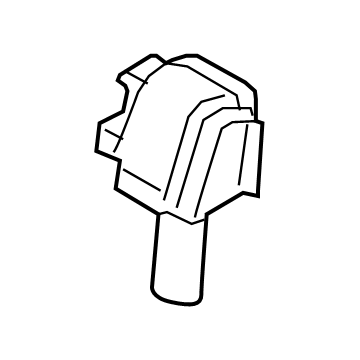
 Product Specifications
- Other Name: Side Impact Sensor, Side Sensor
- Replaces: 65-77-9-305-252
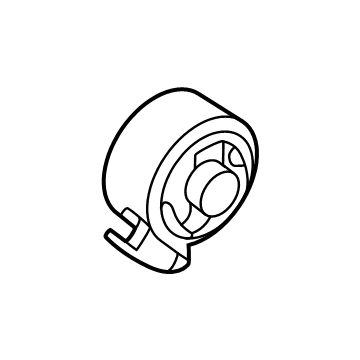
BMW SENSOR DOOR
Part Number: 65779496820$117.81 MSRP: $140.49You Save: $22.68 (17%)Ships in 1-3 Business DaysProduct Specifications- Replaced by: 65775A67847
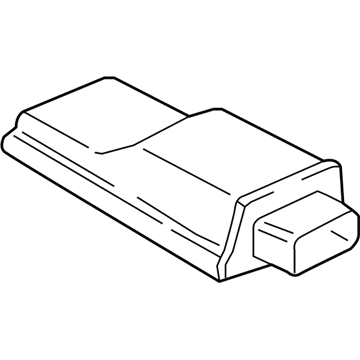
BMW Con.Electronics Seat Rec.W.Seat Heat.
Part Number: 65776811464$111.03 MSRP: $136.29You Save: $25.26 (19%)Ships in 1-3 Business DaysProduct Specifications- Replaced by: 65776991455
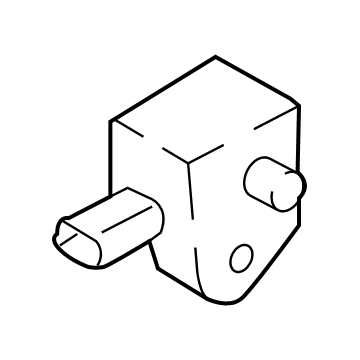
BMW SENSOR, FRONT
Part Number: 65779496817$133.23 MSRP: $161.57You Save: $28.34 (18%)Ships in 1-2 Business Days
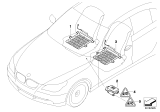
BMW Sensor Mat, Front Seats
Part Number: 65779154961$219.16 MSRP: $265.77You Save: $46.61 (18%)Ships in 1-3 Business DaysProduct Specifications- Replaces: 65-77-6-982-974

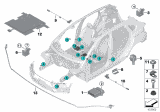
BMW Accelerating Sensor
Part Number: 65779196047$106.05 MSRP: $126.46You Save: $20.41 (17%)Ships in 1-3 Business DaysProduct Specifications- Other Name: Accelerometer, Front Impact Sensor, Front Sensor
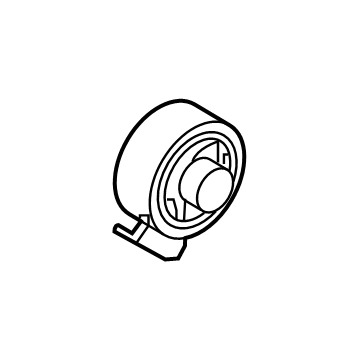
BMW Accelerating Sensor
Part Number: 65779496815$133.23 MSRP: $161.57You Save: $28.34 (18%)Ships in 1-3 Business Days
BMW Airbag Control Unit
Part Number: 65775B448F9$767.52 MSRP: $974.71You Save: $207.19 (22%)Ships in 1-2 Business Days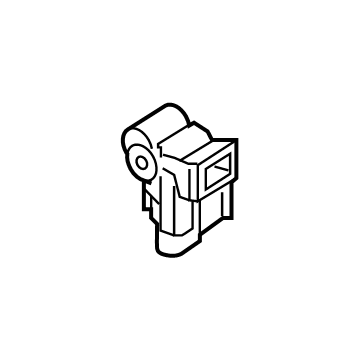
BMW Accelerating Sensor
Part Number: 65779496818$133.23 MSRP: $161.57You Save: $28.34 (18%)Ships in 1-3 Business Days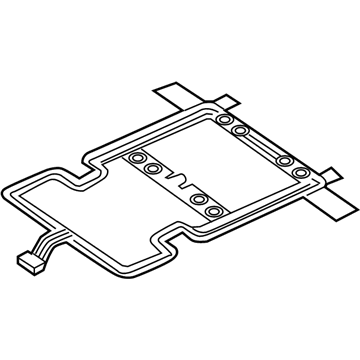
BMW Sensor Mat, Front Seats
Part Number: 65779171318$219.16 MSRP: $265.77You Save: $46.61 (18%)Ships in 1-3 Business DaysProduct Specifications- Other Name: Occupant Sensor, Passenger Discriminating Sensor
- Position: Passenger Side
- Replaces: 65-77-9-149-161
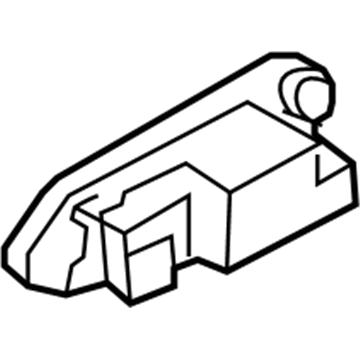
BMW Accelerating Sensor
Part Number: 65776911003$232.77 MSRP: $274.44You Save: $41.67 (16%)Ships in 1-3 Business DaysProduct Specifications- Replaces: 65-77-0-391-070
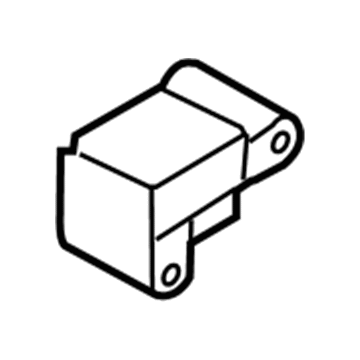
BMW Accelerating Sensor
Part Number: 65776956485$250.00 MSRP: $297.28You Save: $47.28 (16%)Ships in 1-3 Business DaysProduct Specifications- Other Name: Sensor, Side Impact Sensor, Side Sensor
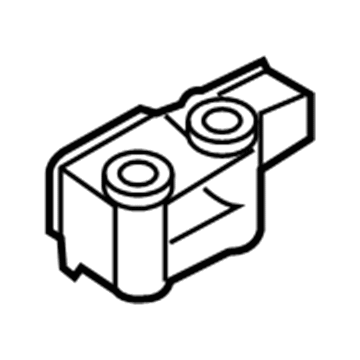
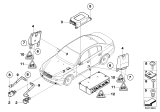
BMW Accelerating Sensor
Part Number: 65776951595$90.88 MSRP: $108.37You Save: $17.49 (17%)Ships in 1-3 Business DaysProduct Specifications- Other Name: Front Sensor, Impact Sensor, Sensor
- Replaces: 65-77-0-390-533, 65-77-0-395-218, 65-77-6-927-119

BMW SENSOR, PASSENGER'S SEAT
Part Number: 65776993870$106.05 MSRP: $126.46You Save: $20.41 (17%)Ships in 1-2 Business DaysProduct Specifications- Other Name: Position Sensor, Sensor
- Position: Passenger Side
- Replaces: 65-77-9-364-552

BMW SENSOR, DRIVER'S SEAT
Part Number: 65776993869$106.05 MSRP: $126.46You Save: $20.41 (17%)Ships in 1-3 Business DaysProduct Specifications- Other Name: Position Sensor, Sensor
- Position: Driver Side
- Replaces: 65-77-9-364-551
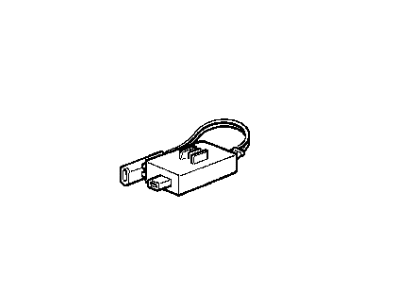
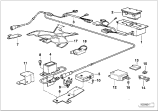
BMW Control Electronics, Seat Occupancy
Part Number: 65778367242$81.87 MSRP: $98.85You Save: $16.98 (18%)Product Specifications- Replaced by: 65776940191
| Page 1 of 4 |Next >
1-20 of 63 Results
BMW Occupant Detection Sensor
Keeping the smooth operation of a BMW vehicle relies on the condition of the Occupant Detection Sensor. A broken BMW Occupant Detection Sensor can lead to big performance issues and even a complete vehicle breakdown. To prevent such problems, you could regularly maintain your car and replace your parts. At BMWPartsDeal, we offer high-quality BMW Occupant Detection Sensor, all designed to keep your vehicle running at its best. Choose BMWPartsDeal for your auto parts needs, you will get your vehicle back to great performance, and save a lot by avoiding costly future repair jobs.
BMW Occupant Detection Sensor Parts Questions & Experts Answers
- Q:What is the function and operation of the occupant detection sensor on the passenger seat of the BMW 335i?Posted by Jeramie J.A:The occupant detection sensor is referred to as the occupant classifier (OC-3 mat) that is located in the seat area of the passenger seat and is made of conductors equipped with pressure-dependent resistor elements connected to an analyser. Such elements are designed to permit individual selection wherein an application of mechanical load to the SEN element reduces the electrical load and vice versa. The occupancy and local weight concentrations of the seat surface are determined by laying the signals captured from the various parts of the mat on a map. For the most part, the OC-3 mat is tasked with sensing the location of a person or object on the front passenger seat and deciding whether or not the passenger side airbags need to be disabled. Based on the weight pattern, it can detect a child seat that conforms to the NHTSA FMVSS 208 standard and causes the disabling of the passenger airbags if such a seat is detected. Further, the mat is able to distinguish between the child - one-year-old in the child seat and the light person by calculating the distances between the pressure, applying areas and pressure concentrations. Through K-CAN, OC-3 mat analyzer sends signals to MRS control module to turn off the front passenger side airbags if the detected seat is empty or if a child seat for a child aged up to one year is installed, with the status lamp informing the occupants that the airbags have been disabled.Answered by BMW Parts Specialist Brad / Jul 16, 2025
Browse by Model
128i Occupant Detection Sensor 135i Occupant Detection Sensor 228i Occupant Detection Sensor 318i Occupant Detection Sensor 318is Occupant Detection Sensor 318ti Occupant Detection Sensor 320i Occupant Detection Sensor 323Ci Occupant Detection Sensor 323i Occupant Detection Sensor 325Ci Occupant Detection Sensor 325i Occupant Detection Sensor 325is Occupant Detection Sensor 325xi Occupant Detection Sensor 328Ci Occupant Detection Sensor 328i Occupant Detection Sensor 328i xDrive Occupant Detection Sensor 328is Occupant Detection Sensor 328xi Occupant Detection Sensor 330Ci Occupant Detection Sensor 330e Occupant Detection Sensor 330i Occupant Detection Sensor 330xi Occupant Detection Sensor 335d Occupant Detection Sensor 335i Occupant Detection Sensor 335xi Occupant Detection Sensor 340i Occupant Detection Sensor 428i Occupant Detection Sensor 430i Occupant Detection Sensor 435i Occupant Detection Sensor 440i Occupant Detection Sensor 525i Occupant Detection Sensor 528i Occupant Detection Sensor 530i Occupant Detection Sensor 535i Occupant Detection Sensor 535i xDrive Occupant Detection Sensor 540i Occupant Detection Sensor 545i Occupant Detection Sensor 550i Occupant Detection Sensor 645Ci Occupant Detection Sensor 650i Occupant Detection Sensor 740i Occupant Detection Sensor 740iL Occupant Detection Sensor 745i Occupant Detection Sensor 745Li Occupant Detection Sensor 750i Occupant Detection Sensor 750iL Occupant Detection Sensor 750Li Occupant Detection Sensor 840Ci Occupant Detection Sensor 850Ci Occupant Detection Sensor 850CSi Occupant Detection Sensor Alpina B7 Occupant Detection Sensor i3 Occupant Detection Sensor i4 Occupant Detection Sensor i5 Occupant Detection Sensor i8 Occupant Detection Sensor iX Occupant Detection Sensor M2 Occupant Detection Sensor M235i Occupant Detection Sensor M240i Occupant Detection Sensor M3 Occupant Detection Sensor M340i Occupant Detection Sensor M4 Occupant Detection Sensor M440i Occupant Detection Sensor M5 Occupant Detection Sensor M6 Occupant Detection Sensor M8 Occupant Detection Sensor X1 Occupant Detection Sensor X2 Occupant Detection Sensor X3 Occupant Detection Sensor X4 Occupant Detection Sensor X5 M Occupant Detection Sensor X5 Occupant Detection Sensor X6 Occupant Detection Sensor X7 Occupant Detection Sensor XM Occupant Detection Sensor Z3 M Occupant Detection Sensor Z3 Occupant Detection Sensor Z4 Occupant Detection Sensor Z8 Occupant Detection Sensor
View More