×
- Hello
- Login or Register
- Quick Links
- Live Chat
- Track Order
- Parts Availability
- RMA
- Help Center
- Contact Us
- Shop for
- BMW Parts
- BMW Accessories

My Garage
My Account
Cart
Genuine BMW X5 Door Handle
Inside Door Handle- Select Vehicle by Model
- Select Vehicle by VIN
Select Vehicle by Model
orSeries
Model
Year
Select Vehicle by VIN
For the most accurate results, select vehicle by your VIN (Vehicle Identification Number).
118 Door Handles found
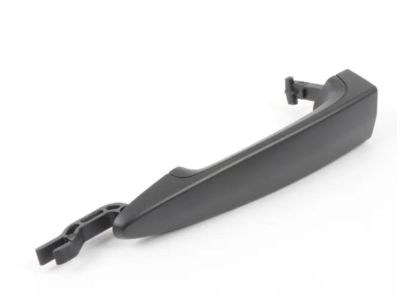
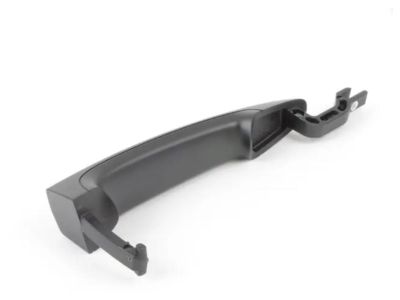
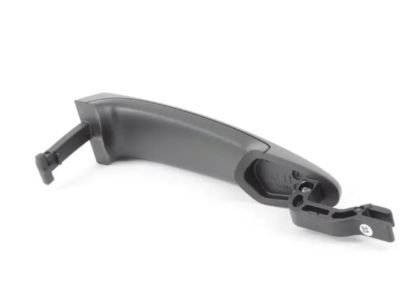
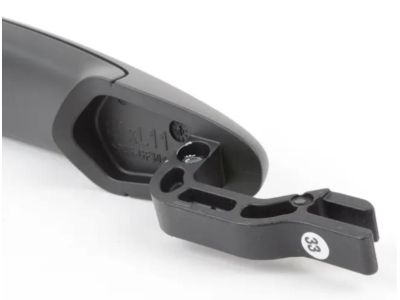
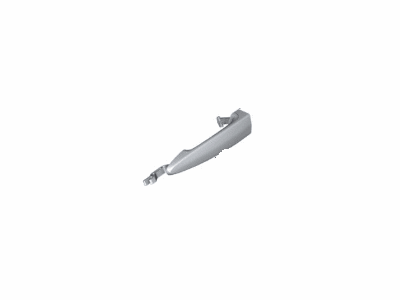
BMW X5 Lever Exterior Front Left
Part Number: 51217207561$48.90 MSRP: $60.83You Save: $11.93 (20%)Ships in 1-3 Business Days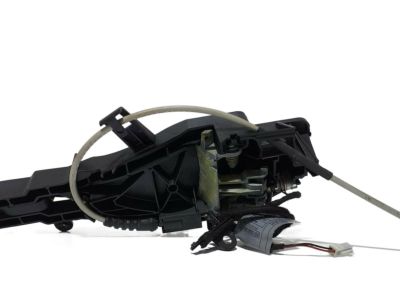
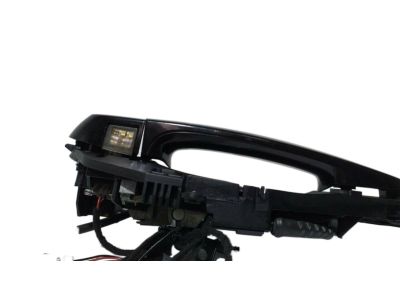
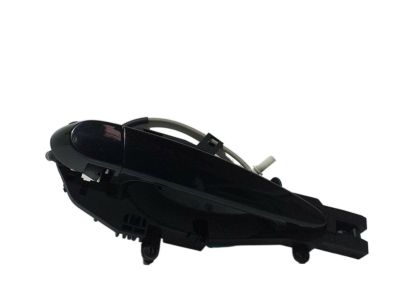
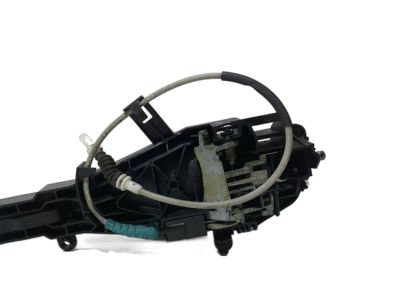
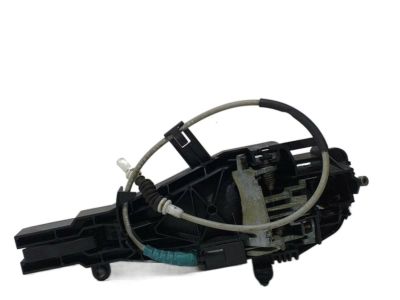
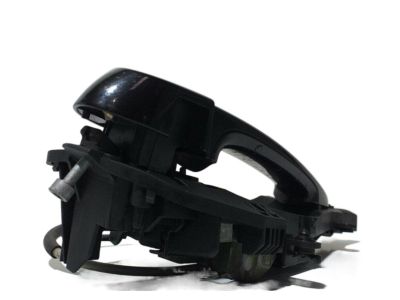
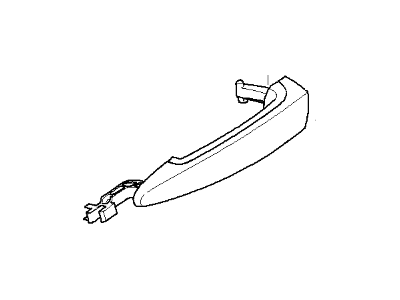
BMW X5 Handle, Outside
Part Number: 51217207562$48.90 MSRP: $60.83You Save: $11.93 (20%)Ships in 1-3 Business Days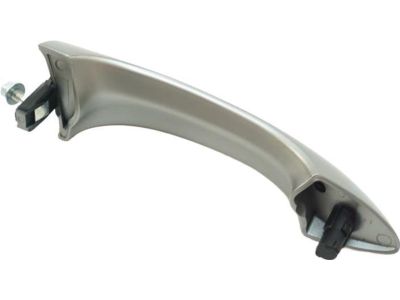
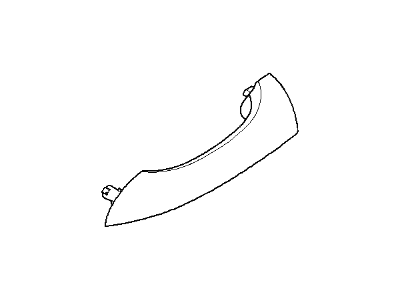
BMW X5 Handle Cover Bracket Left
Part Number: 51217002311$77.17 MSRP: $96.00You Save: $18.83 (20%)Ships in 1-3 Business Days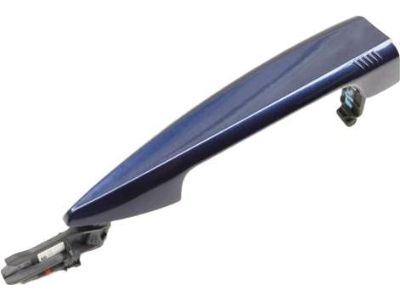
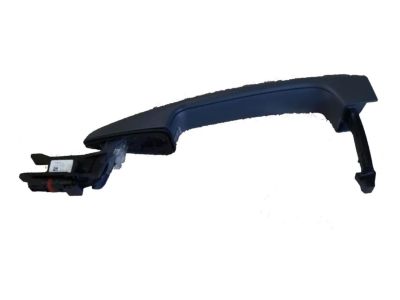
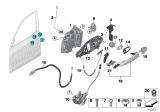
BMW X5 Exterior Door Handle Rear Right
Part Number: 51217433844$86.83 MSRP: $109.82You Save: $22.99 (21%)Ships in 1-3 Business Days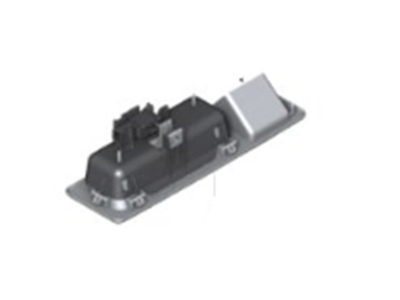
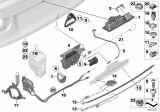
BMW X5 Boot Lid/Tailgate Push-Button
Part Number: 51247463163$40.12 MSRP: $49.91You Save: $9.79 (20%)Ships in 1-3 Business Days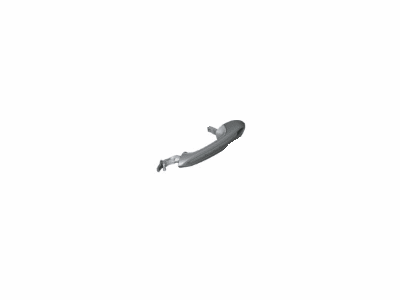
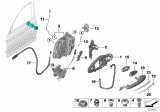
BMW X5 Outer Right Primed Door Handle
Part Number: 51219491462$89.66 MSRP: $113.39You Save: $23.73 (21%)Ships in 1-3 Business Days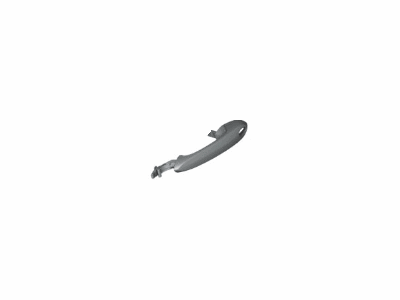
BMW X5 Front Passenger Side Door Handle
Part Number: 51219491458$91.19 MSRP: $115.33You Save: $24.14 (21%)Ships in 1-3 Business Days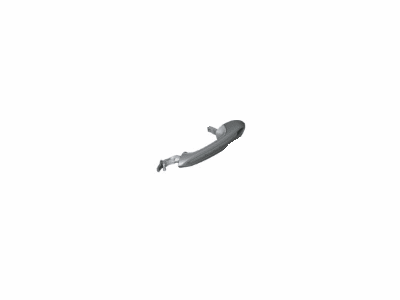
BMW X5 Front Driver Side Door Handle
Part Number: 51219491459$71.31 MSRP: $88.71You Save: $17.40 (20%)Ships in 1-3 Business Days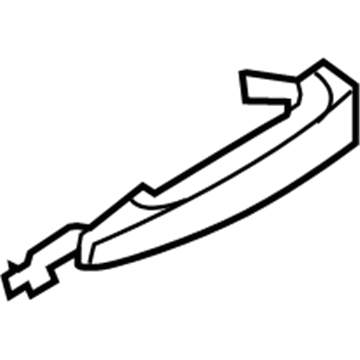
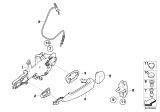
BMW X5 Door Handle, Right
Part Number: 51227207568$292.84 MSRP: $379.88You Save: $87.04 (23%)Ships in 1-3 Business DaysBMW X5 Outer Left Primed Door Handle
Part Number: 51217396307$70.62 MSRP: $87.85You Save: $17.23 (20%)Ships in 1-3 Business Days
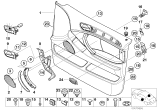
BMW X5 Inner Right Door Handle
Part Number: 51417122198$64.91 MSRP: $81.98You Save: $17.07 (21%)Ships in 1-3 Business DaysBMW X5 Outer Right Primed Door Handle
Part Number: 51217396308$70.62 MSRP: $87.85You Save: $17.23 (20%)Ships in 1-3 Business Days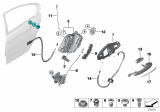
BMW X5 Outer Left Primed Door Handle
Part Number: 51219491461$89.63 MSRP: $113.36You Save: $23.73 (21%)Ships in 1-3 Business DaysBMW X5 Right Handle Bracket
Part Number: 51218243618$36.60 MSRP: $45.53You Save: $8.93 (20%)Ships in 1-3 Business DaysBMW X5 Exterior Door Handle Rear Left Outer
Part Number: 51217207539$48.03 MSRP: $59.74You Save: $11.71 (20%)Ships in 1-3 Business Days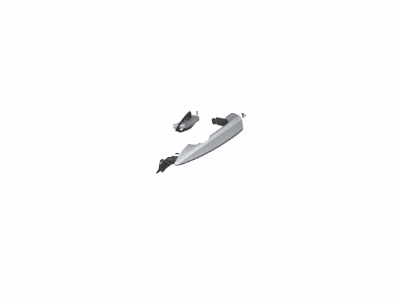
BMW X5 Outer Left Primed Door Handle
Part Number: 51217396305$57.06 MSRP: $70.98You Save: $13.92 (20%)Ships in 1-3 Business DaysBMW X5 Outer Left Painted Door Handle
Part Number: 51217348741$86.83 MSRP: $109.82You Save: $22.99 (21%)Ships in 1-3 Business Days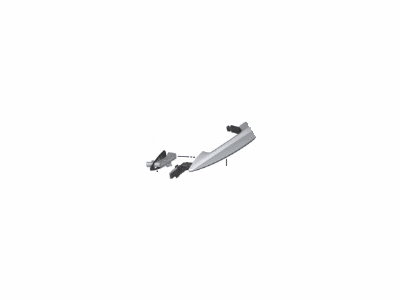
BMW X5 Outer Right Painted Door Handle
Part Number: 51217348750$86.83 MSRP: $109.82You Save: $22.99 (21%)Ships in 1-3 Business Days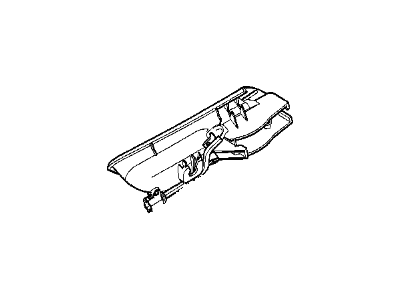
BMW X5 Interior Door Handle
Part Number: 51417000231$84.07 MSRP: $98.60You Save: $14.53 (15%)Ships in 1-3 Business Days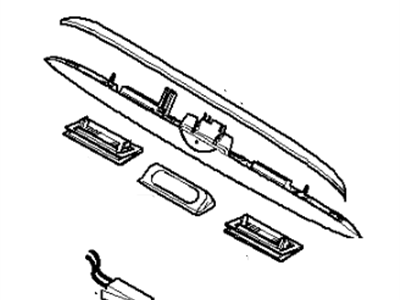
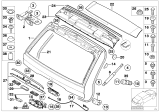
BMW X5 Black Boot Trunk Lid Rear Handle Grip
Part Number: 51137170676$153.84 MSRP: $210.63You Save: $56.79 (27%)Ships in 1-3 Business Days
| Page 1 of 6 |Next >
1-20 of 118 Results
BMW X5 Door Handle
The BMW X5 Door Handle enables drivers and passengers to open the doors of the SUV with a rapid pull that provides easy, reliable access to the vehicle every day. Mounted on each exterior panel, the exterior Door Handle is molded from tough plastic or metal and connects to a rod that extends to the latch, so when the handle is tugged, the rod is moved, popping the catch. Inside the cabin, there is a matching Door Handle that does the same job from the inside, and the two are among the applied parts of any BMW sport utility. In the case of early and later generations of X5 models, the mechanism remains the same, but surface finishes change from plain black to textured and body-color to reflect changing styling. A malfunctioning Door Handle can transform a simple outing into a hassle, so replacing it with a new BMW part is the solution to give owners a light, smooth feel. By keeping every X5 welcoming at a touch, this Door Handle is a vital tool for daily convenience and a reminder to the driver that even mere hardware is important on a BMW X5.
If you are looking for OEM BMW X5 Door Handle, we highly recommend to shop with us. Not only do we offer budget friendly prices, but we also provide fast delivery. In addition, we have a hassle-free return policy on all genuine BMW X5 Door Handle that come backed by the manufacturer's warranty.
BMW X5 Door Handle Parts Questions & Experts Answers
- Q:How to remove and install Door Handle on BMW X5?Posted by Sahar B.A:To remove the door lock cylinder, start by working at the outer door edge. At first, pull out the door handle and insert a tool via an access hole to jam it in the open position. Then loosen the mounting nut of the handle and lightly tap the rear of the handle down until it disengages from the inner mechanism. With the door handle still jammed open, swing it downward at about 45 degrees and use a plastic prying tool to pry off its front anchor. For installation, reverse this process of removal and, ensure that you replace damaged gaskets for your vehicle's affected handles. To remove and install the door latch on your car; shut your window on this side if it is not already closed and disconnect negative (-) cable from battery taking note of cautions as given below under Battery Disconnection Cautions. Subsequently separate or unplug door trim panel together with its airbag system as well as carefully lift away vapor barrier that is shielding interior part of doorway cavity from inside car body structure. Inside door cavity at latch assembly detach electrical connector from bottom of assembly & Bowden cable ball head from bowden ball on assembly latch in order to gain access to latch retaining screws then slide out complete mechanism. In order to install follow reverse procedure for removing but take care not to bend rod when inserting button metal rod through opening in skin of door which accidentally could become trapped behind inside so make certain hinge has been properly aligned before attaching it; finally replace mounting screw ensuring intact leak proofing between internal space outside opening where flange meets face plate during servicing by technician who must also know how set up again correctly after performing task without causing damage resulting poor operation thereof caused wrong size bolt wrench attachment or any other incorrect fitting which might cause premature failure due improper tightening methods applied incorrectly reduces efficiency greatly increasing wear rates leading faster wearing parts failing sooner than they would otherwise perish too quickly thereby costing more money than necessary since parts last much longer this way enabling user save large sums due reduced consumption requiring fewer replacements in future.Answered by BMW Parts Specialist Chaz / Jul 30, 2022
Related BMW X5 Parts


Browse by Year
2025 Door Handle 2024 Door Handle 2023 Door Handle 2022 Door Handle 2021 Door Handle 2020 Door Handle 2019 Door Handle 2018 Door Handle 2017 Door Handle 2016 Door Handle 2015 Door Handle 2014 Door Handle 2013 Door Handle 2012 Door Handle 2011 Door Handle 2010 Door Handle 2009 Door Handle 2008 Door Handle 2007 Door Handle 2006 Door Handle 2005 Door Handle 2004 Door Handle 2003 Door Handle 2002 Door Handle 2001 Door Handle 2000 Door Handle