×
- Hello
- Login or Register
- Quick Links
- Live Chat
- Track Order
- Parts Availability
- RMA
- Help Center
- Contact Us
- Shop for
- BMW Parts
- BMW Accessories

My Garage
My Account
Cart
Genuine BMW X3 Crankshaft Position Sensor
Engine Crankshaft Position Sensor- Select Vehicle by Model
- Select Vehicle by VIN
Select Vehicle by Model
orSeries
Model
Year
Select Vehicle by VIN
For the most accurate results, select vehicle by your VIN (Vehicle Identification Number).
7 Crankshaft Position Sensors found
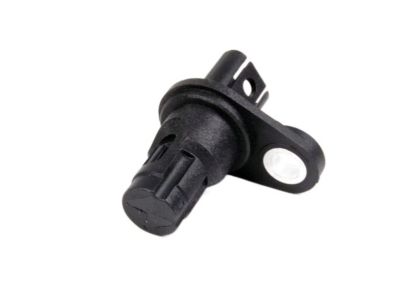
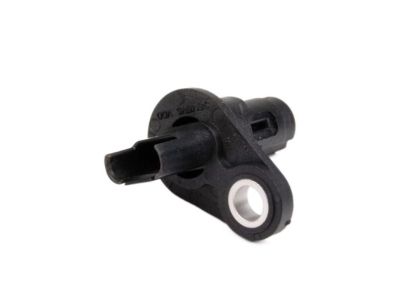
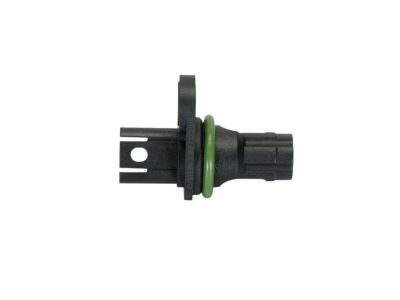
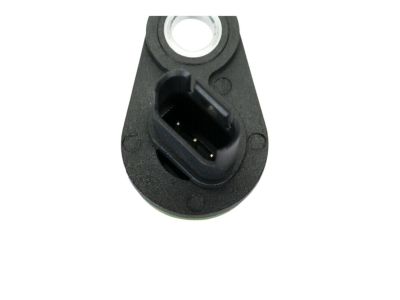

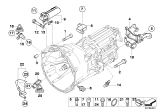
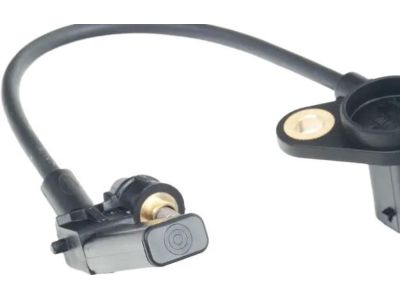
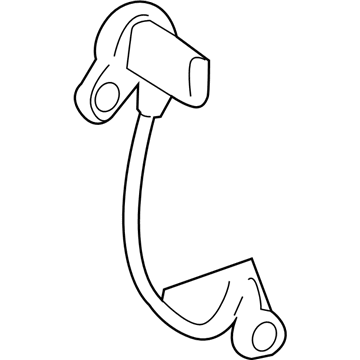
BMW X3 Pulse Generator, Crankshaft / Gearbox
Part Number: 13627525015$119.68 MSRP: $175.17You Save: $55.49 (32%)Ships in 1-3 Business Days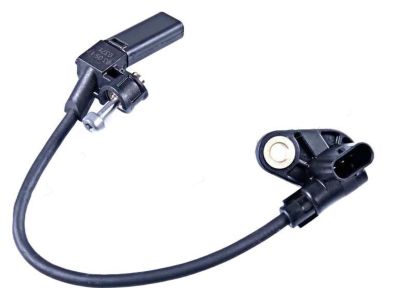
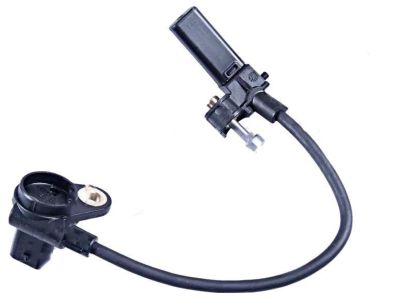
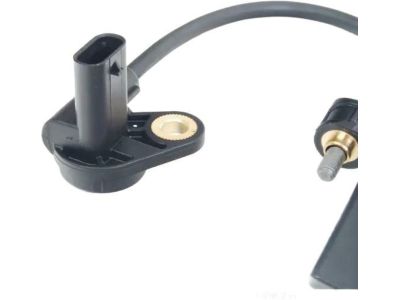
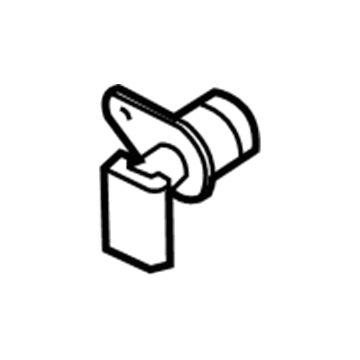
BMW X3 Crankshaft Position Sensor
Part Number: 13627595860$91.29 MSRP: $131.38You Save: $40.09 (31%)Ships in 1-2 Business Days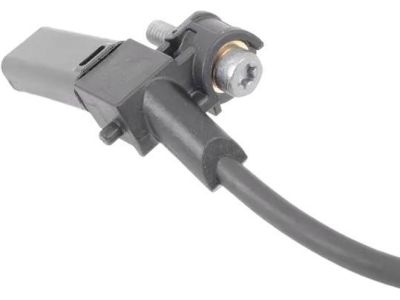
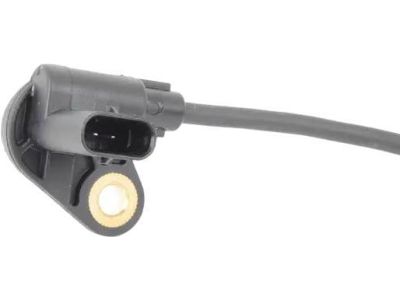
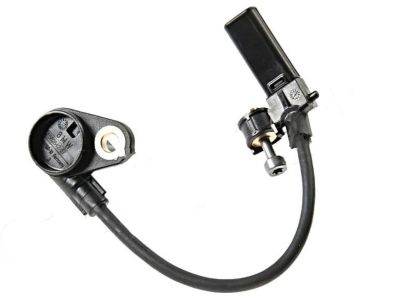
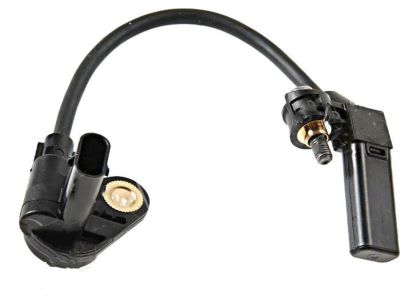
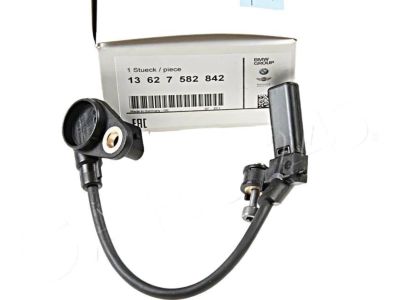
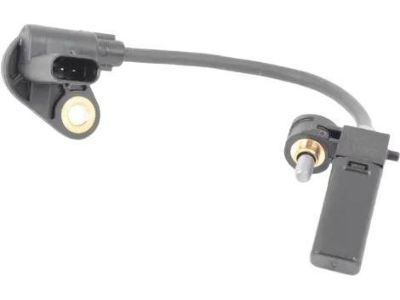
BMW X3 Crankshaft Position Sensor
Part Number: 13627582842$91.29 MSRP: $131.38You Save: $40.09 (31%)Ships in 1-2 Business Days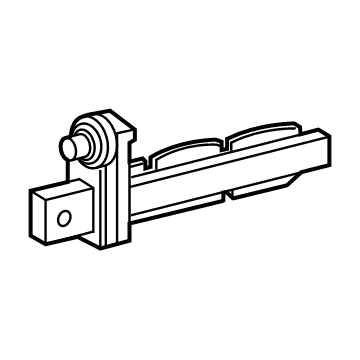
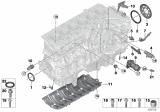
BMW X3 Engine Crankshaft Position Sensor
Part Number: 13627806782$86.96 MSRP: $125.16You Save: $38.20 (31%)Ships in 1-3 Business Days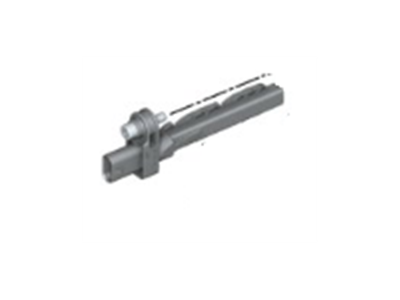
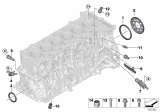
BMW X3 Crankshaft Position Sensor
Part Number: 13628644376$86.96 MSRP: $125.16You Save: $38.20 (31%)Ships in 1-3 Business Days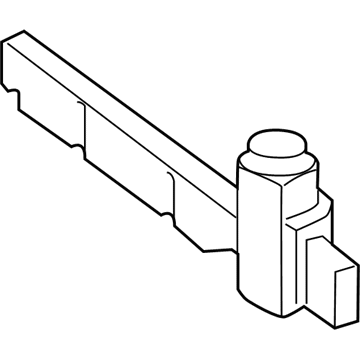
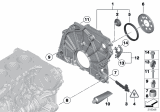
BMW X3 Speed Sensor, Crankshaft
Part Number: 13627805188$61.87 MSRP: $87.59You Save: $25.72 (30%)Ships in 1-3 Business Days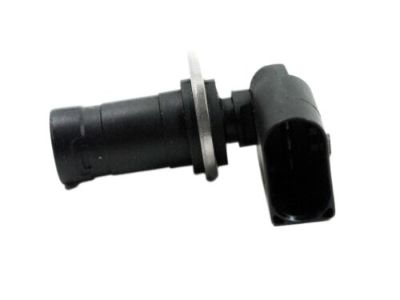
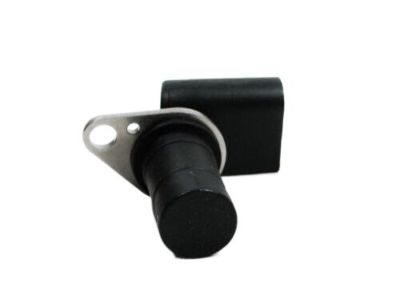
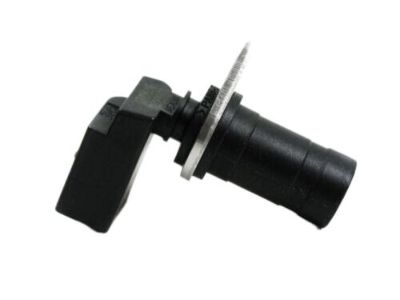
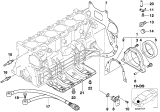
BMW X3 Crankshaft Position Sensor
The Crankshaft Position Sensor in the BMW X3 improves the X3 vehicles usability, durability, and performance greatly. This sensor pays close attention to the movement and angular velocity of the crankshaft and pass important information to the ECU for control of ignition and injection of fuel. This makes the X3 Crankshaft Position Sensor a critical component because it ensures accurate engine performance, key to combustion and overall functionality; therefore, performance and safety. Specific to many X3 models, this sensor is resistant to different hostile environments and comes with innovative sensing methods like inductive, Hall effect, magnetoresistive, and optical. They add to the product's sturdiness and dependability, which are defining factors for a vehicle in the global market. The model of the Crankshaft Position Sensor is often enclosed to shield it from heat, mechanical shock, and rust significantly increasing its durability. Crankshaft Position Sensor therefore remains critical to the advancement of the BMW X3 by enabling customers to always have a feel of the BMW brand's luxury and performance. Thus, the BMW X3 and its Crankshaft Position Sensor with the total sales strengthen the position of the car and its components as the successful examples of quality, efficiency, and safety in the luxury SUV market.
If you are looking for OEM BMW X3 Crankshaft Position Sensor, we highly recommend to shop with us. Not only do we offer budget friendly prices, but we also provide fast delivery. In addition, we have a hassle-free return policy on all genuine BMW X3 Crankshaft Position Sensor that come backed by the manufacturer's warranty.
BMW X3 Crankshaft Position Sensor Parts Questions & Experts Answers
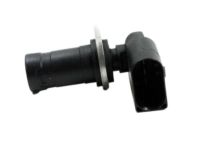
- Q:How to remove and install the crankshaft position sensor on the BMW X3?Posted by Emilia C.A:Crankshaft Position Sensor in M54 engine is on the left rear of the engine block, underneath the intake manifold and starter motor. Make sure the ignition is OFF. Raise the car and support it in a safe manner. Remove the front end reinforcement plate. Working underneath the starter, cut off the wire tie securing the crankshaft Position Sensor harness connector to the sensor and disconnect the harness connector. Remove the sensor mounting fastener and remove the sensor from the cylinder block. Installation is the reverse of removal. Use a new sealing o-ring when installing the sensor. Replace the self-locking mounting bolt. Be sure the wiring is rerouted as before. Check and clear fault codes from ECM memory. The crankshaft Position Sensor in the N52 engine is also on the left rear of the engine block, underneath the intake manifold and starter motor. Make sure the ignition is OFF. Raise the car and support it in a safe manner. Remove the front end reinforcement plate. Working underneath the starter, disconnect the crankshaft Position Sensor harness connector from the sensor. Remove the sensor mounting fastener and remove the sensor from the cylinder block. Be prepared to catch dripping oil. Installation is the reverse of removal. Remember to use a new sealing o-ring when installing the sensor. Replace the mounting bolt. Be sure the wiring is routed as before. Check and clear fault codes from ECM memory.Answered by BMW Parts Specialist Tony / Feb 24, 2025
Related BMW X3 Parts
 BMW X3 Oxygen Sensor
 BMW X3 Coolant Temperature Sensor
 BMW X3 MAP Sensor
 BMW X3 Knock Sensor
 BMW X3 Mass Air Flow Sensor
 BMW X3 Camshaft Position Sensor
 BMW X3 Parking Assist Distance Sensor
 BMW X3 Throttle Position Sensor
 BMW X3 Fuel Temperature Sensor
 BMW X3 Temperature Sender
Browse by Year
2025 Crankshaft Position Sensor 2024 Crankshaft Position Sensor 2023 Crankshaft Position Sensor 2022 Crankshaft Position Sensor 2021 Crankshaft Position Sensor 2020 Crankshaft Position Sensor 2019 Crankshaft Position Sensor 2018 Crankshaft Position Sensor 2017 Crankshaft Position Sensor 2016 Crankshaft Position Sensor 2015 Crankshaft Position Sensor 2014 Crankshaft Position Sensor 2013 Crankshaft Position Sensor 2012 Crankshaft Position Sensor 2011 Crankshaft Position Sensor 2010 Crankshaft Position Sensor 2009 Crankshaft Position Sensor 2008 Crankshaft Position Sensor 2007 Crankshaft Position Sensor 2006 Crankshaft Position Sensor 2005 Crankshaft Position Sensor 2004 Crankshaft Position Sensor