×
- Hello
- Login or Register
- Quick Links
- Live Chat
- Track Order
- Parts Availability
- RMA
- Help Center
- Contact Us
- Shop for
- BMW Parts
- BMW Accessories

My Garage
My Account
Cart
Genuine BMW 335i Fuel Injector
Gas Injector- Select Vehicle by Model
- Select Vehicle by VIN
Select Vehicle by Model
orSeries
Model
Year
Select Vehicle by VIN
For the most accurate results, select vehicle by your VIN (Vehicle Identification Number).
4 Fuel Injectors found
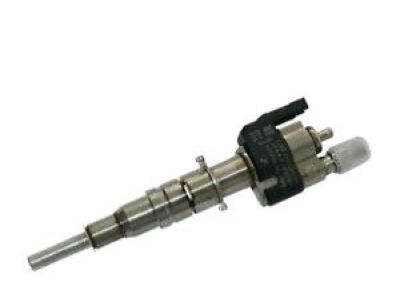
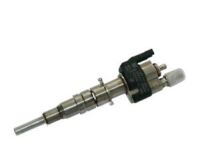
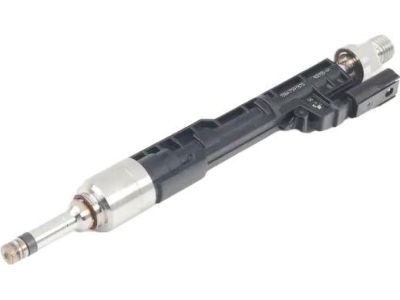
BMW 335i Fuel Injector
Part Number: 13538616079$758.85 MSRP: $930.04You Save: $171.19 (19%)Ships in 1-3 Business Days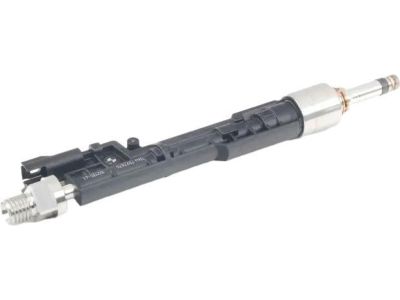
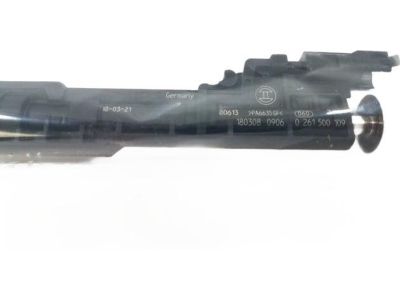
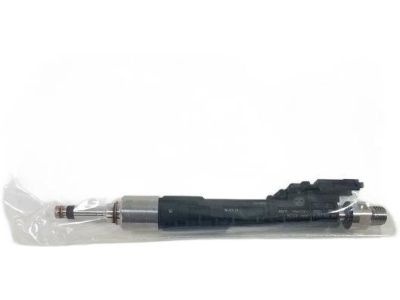
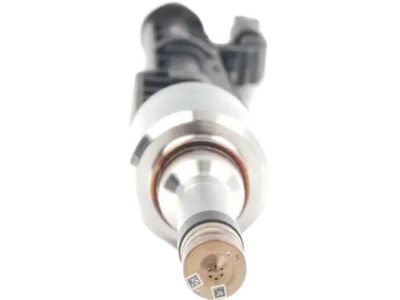
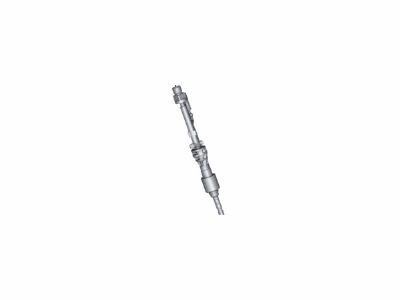
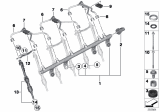
BMW 335i Fuel Injector
Part Number: 13647597870$305.84 MSRP: $385.07You Save: $79.23 (21%)Ships in 1-2 Business Days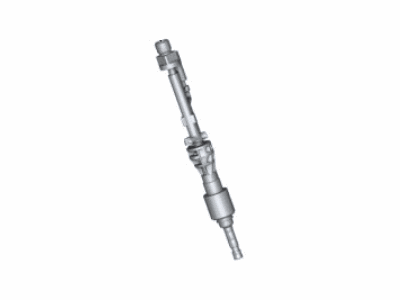
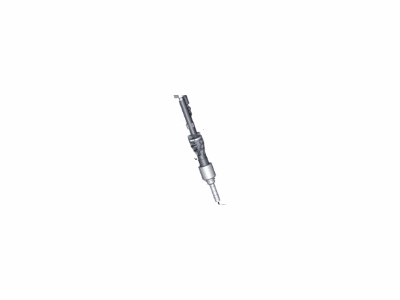
BMW 335i Fuel Injector
Part Number: 13537568607$305.84 MSRP: $385.07You Save: $79.23 (21%)Ships in 1-3 Business Days
BMW 335i Fuel Injector
BMW 335i Fuel Injector is a part that is widely appreciated for its efficiency and durability, serving as a centralized component responsible for the vehicle's fuel system. This top-of-the-line Fuel Injector system is specifically designed for the BMW 335i, injecting fuel directly into the engine cylinder to ensure that the air-fuel mixture ratio is perfect for improving the engine's capability. Available for installation in both coupe and convertible models, the Fuel Injector is critical for maintaining power and throttle in this vehicle. A bad Fuel Injector will cause the car not to idle well, resulting in low power and potentially damaging vital parts like the catalytic converters and oxygen sensors. Hence, it is essential to replace Fuel Injectors that are not functioning optimally before they compromise the efficiency of the BMW. The Fuel Injector assists in perfect control of fuel flow, clearly outperforming a carburetor system and contributing to the 335i spirit of a thrilling drive. Significantly, the BMW 335i features a 3.0 liter turbocharged direct injection gasoline engine, which, in conjunction with the Fuel Injector, provides instant throttle response and superior refinement. This automotive part has given the vehicle a unique selling proposition in the contemporary automobile market, playing a pivotal role in improving engine efficiency, safety, and supporting the automobile's dynamic force. Because of its advanced engineering, the Fuel Injector is a perfect representation of the brand's devotion to superior performance alongside manufacturing efficiency, which is why it should be in every 335i's toolkit.
If you are looking for OEM BMW 335i Fuel Injector, we highly recommend to shop with us. Not only do we offer budget friendly prices, but we also provide fast delivery. In addition, we have a hassle-free return policy on all genuine BMW 335i Fuel Injector that come backed by the manufacturer's warranty.
BMW 335i Fuel Injector Parts Questions & Experts Answers
- Q:How to safely disconnect and service the fuel injectors in N54 six cylinder engine on BMW 335i?Posted by Albion H.A:Disconnect the battery negative (-) cable in the cargo compartment, ensuring to read the battery disconnection cautions beforehand. Remove the cabin microfilter housing and the ignition coil cover, followed by the ignition coil at the corresponding cylinder of the fuel injector service. Maintain cleanliness when servicing ignition coils, as fuel or oil residue can compromise the electrical resistance of the silicone used in their production, leading to potential coil failure. Next, remove the fuel line to the corresponding fuel injector, taking precautions as the fuel line is under high pressure, which may cause fuel to be expelled forcibly. Avoid smoking or working near heat sources, and keep a fire extinguisher nearby. Ensure the engine temperature is below 40°C (104°F) before working on the fuel system, unscrew the fuel tank cap to relieve pressure, and plug open fuel lines and fittings. Use a clean shop towel around the fitting before disconnecting to manage residual fuel pressure, and to reduce pressure, place a towel over the injector and gently tap with a wrench. Maintain a clean work area to prevent contaminants from causing system malfunctions, seal all fuel system openings with protective caps, and replace high-pressure fuel lines if they have been tightened 10 times. If multiple injectors are removed, ensure each is reinstalled in its original location. Unlock and remove the electrical connector, then remove the fastener and hold-down bracket before taking out the injector. Seal the injector and fuel rail connections with caps and plugs from the BMW special tool kit. If an injector is stuck in the cylinder head, use the appropriate BMW special tools to carefully remove it, and once removed, install sealing caps on the injector tip and fuel line connection, which can be obtained from the BMW dealer parts department.Answered by BMW Parts Specialist Brad / Mar 30, 2025