×
- Hello
- Login or Register
- Quick Links
- Live Chat
- Track Order
- Parts Availability
- RMA
- Help Center
- Contact Us
- Shop for
- BMW Parts
- BMW Accessories

My Garage
My Account
Cart
Genuine BMW Drive Belt
Serpentine Belt- Select Vehicle by Model
- Select Vehicle by VIN
Select Vehicle by Model
orSeries
Model
Year
Select Vehicle by VIN
For the most accurate results, select vehicle by your VIN (Vehicle Identification Number).
165 Drive Belts found
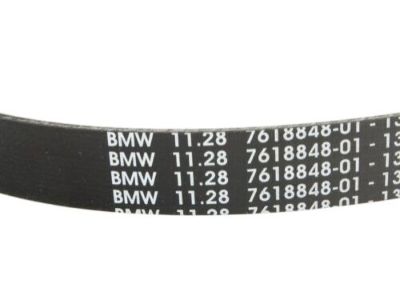
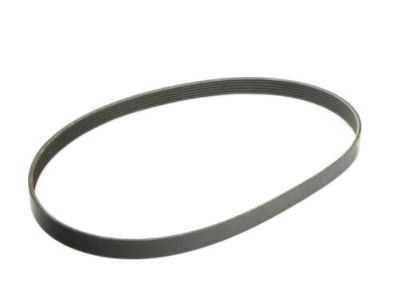
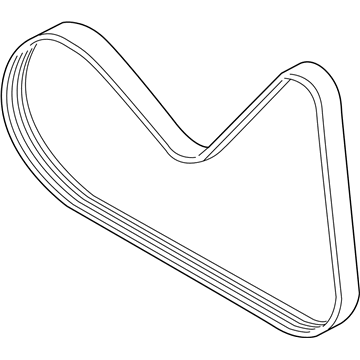
BMW Ribbed V-Belt
Part Number: 11287618848$20.55 MSRP: $31.24You Save: $10.69 (35%)Ships in 1-3 Business DaysProduct Specifications- Other Name: Serpentine Belt
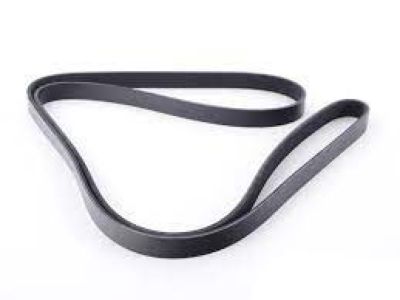
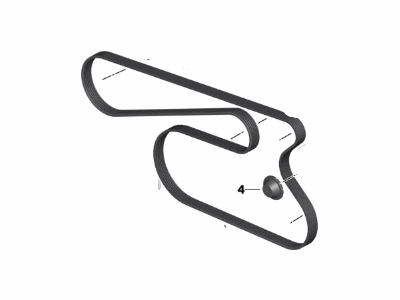
BMW Ribbed V-Belt
Part Number: 11287628650$41.50 MSRP: $63.09You Save: $21.59 (35%)Ships in 1-3 Business DaysProduct Specifications- Other Name: Serpentine Belt
- Replaces: 11-28-7-527-564, 11-28-7-549-150
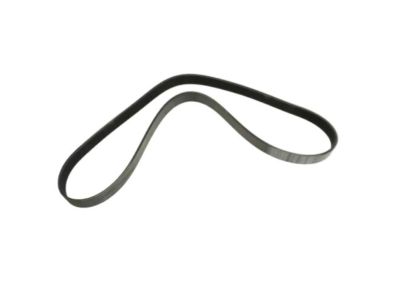
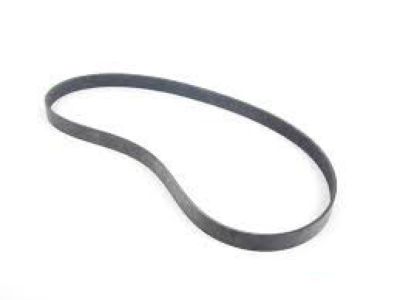
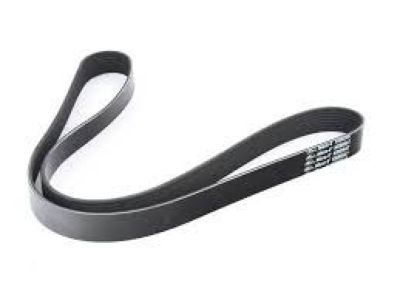
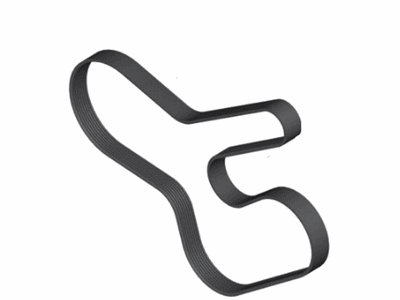
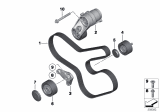
BMW Ribbed V-Belt
Part Number: 11287628661$41.50 MSRP: $63.09You Save: $21.59 (35%)Ships in 1-3 Business DaysProduct Specifications- Other Name: Alternator Belt, Serpentine Belt
- Replaces: 11-28-7-589-366
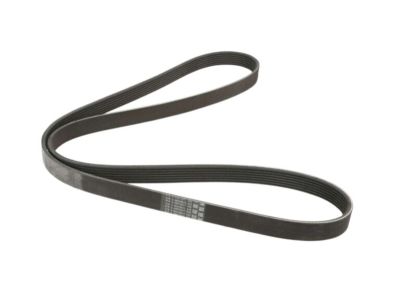
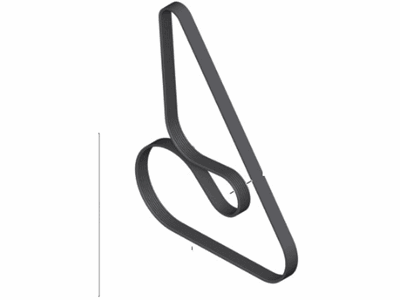
BMW Ribbed V-Belt
Part Number: 11287631824$43.47 MSRP: $66.09You Save: $22.62 (35%)Ships in 1-3 Business DaysProduct Specifications- Other Name: Alternator Belt, Serpentine Belt
- Replaces: 11-28-7-565-361
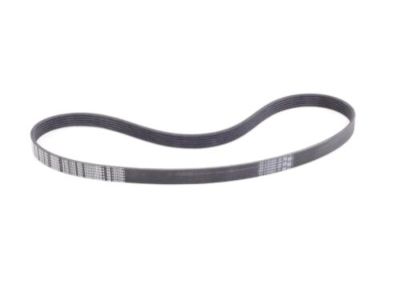
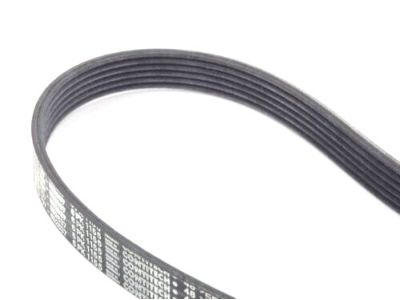
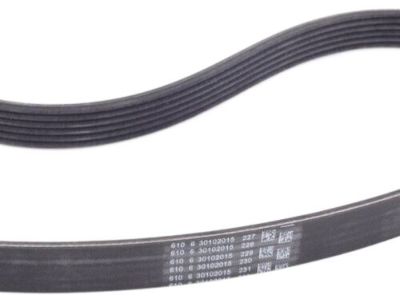
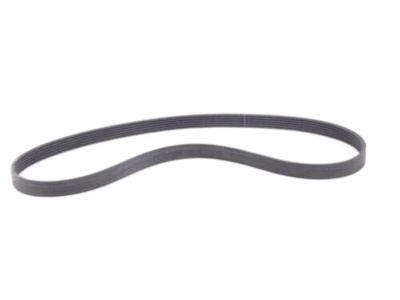
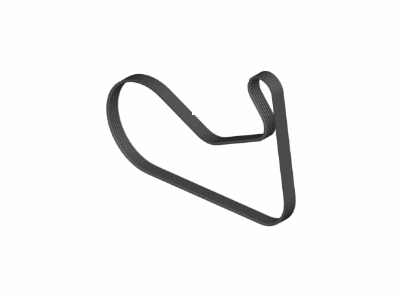
BMW Ribbed V-Belt
Part Number: 11288613707$21.56 MSRP: $32.78You Save: $11.22 (35%)Ships in 1-3 Business DaysProduct Specifications- Other Name: Serpentine Belt
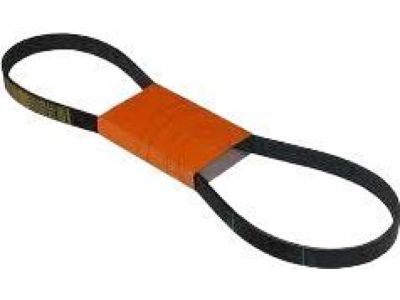
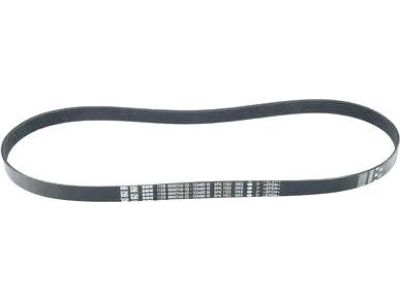
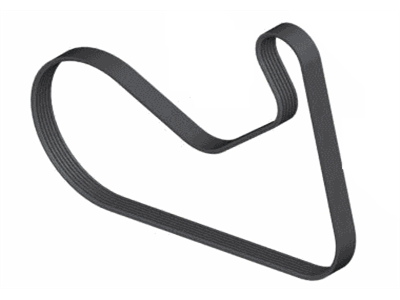
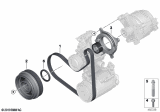
BMW Ribbed V-Belt
Part Number: 11288650740$21.56 MSRP: $32.78You Save: $11.22 (35%)Ships in 1-3 Business DaysProduct Specifications- Other Name: Serpentine Belt
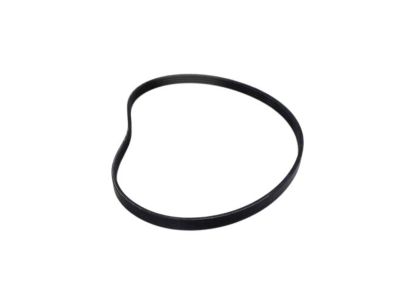
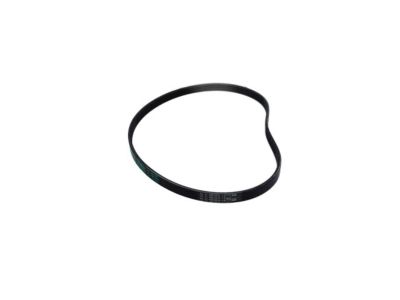
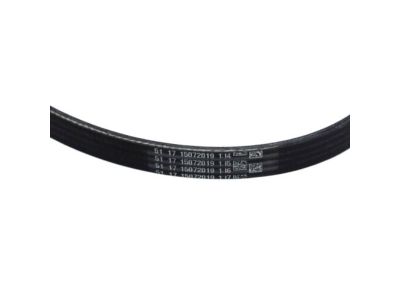
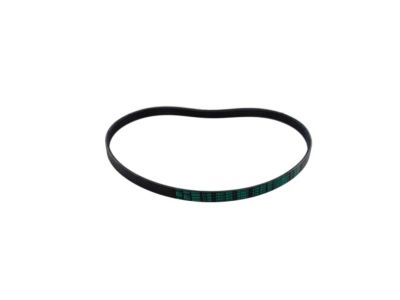
BMW Ribbed V-Belt
Part Number: 11287631825$17.39 MSRP: $26.44You Save: $9.05 (35%)Ships in 1-2 Business DaysProduct Specifications- Other Name: AC Belt
- Replaces: 11-28-7-570-266
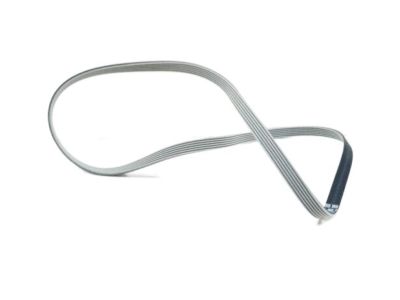
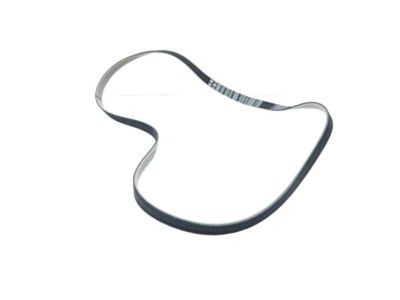
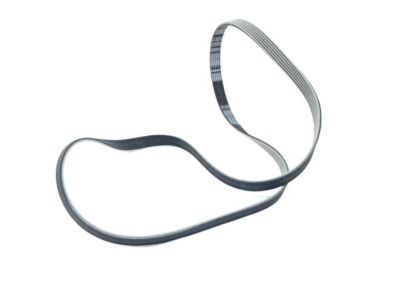
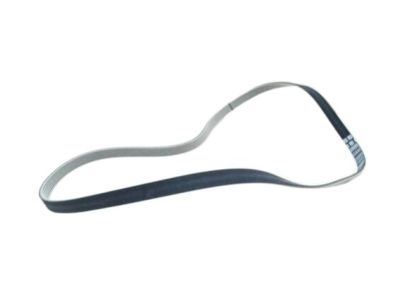
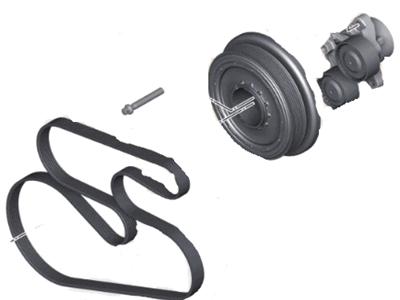
BMW Ribbed V-Belt
Part Number: 11288519128$31.62 MSRP: $48.07You Save: $16.45 (35%)Ships in 1-3 Business DaysProduct Specifications- Other Name: AC Belt, Serpentine Belt
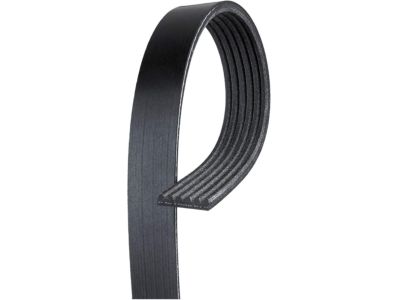
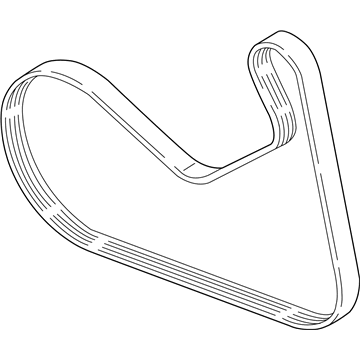
BMW Ribbed V-Belt
Part Number: 11288646475$21.56 MSRP: $32.78You Save: $11.22 (35%)Ships in 1-3 Business DaysProduct Specifications- Other Name: Serpentine Belt
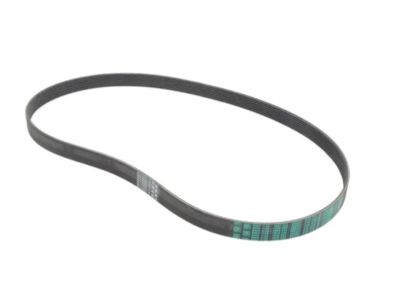
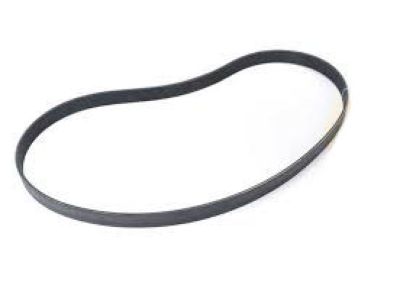
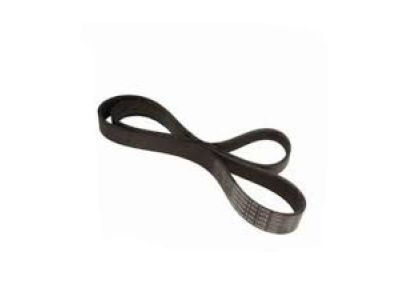
BMW Ribbed V-Belt
Part Number: 11287628659$41.50 MSRP: $63.09You Save: $21.59 (35%)Ships in 1 Business DayProduct Specifications- Other Name: Alternator Belt, Serpentine Belt
- Replaces: 11-28-7-589-365
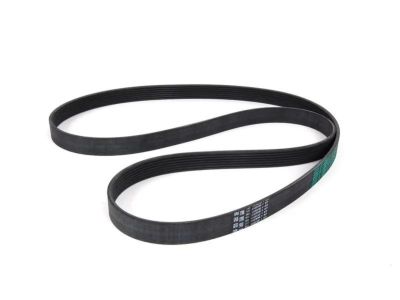
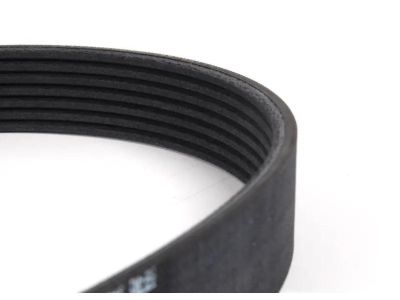
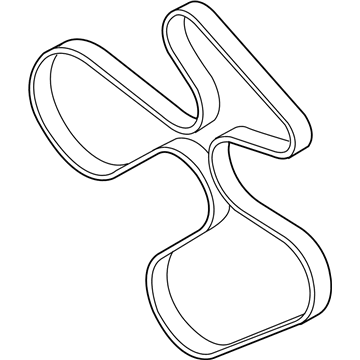
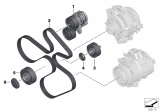
BMW Ribbed V-Belt
Part Number: 11287628653$41.50 MSRP: $63.09You Save: $21.59 (35%)Ships in 1-3 Business DaysProduct Specifications- Other Name: Serpentine Belt
- Replaces: 11-28-7-570-664
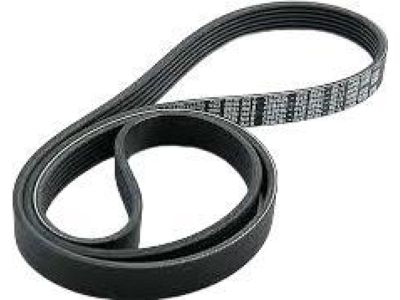
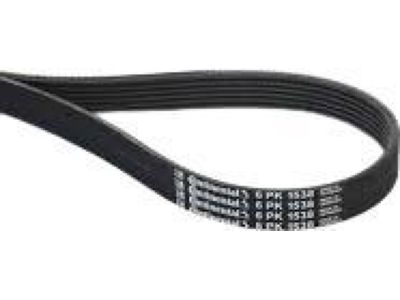
BMW Ribbed V-Belt
Part Number: 11287636379$50.50 MSRP: $69.10You Save: $18.60 (27%)Ships in 1-3 Business DaysProduct Specifications- Replaces: 11-28-1-706-545, 11-28-1-437-475
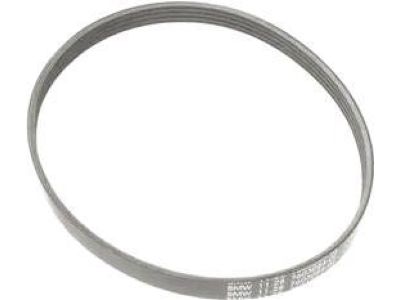
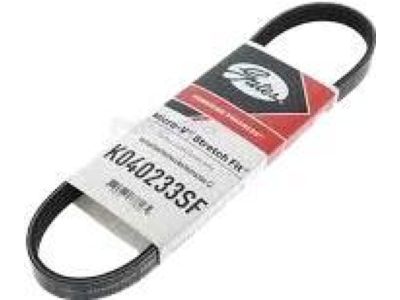
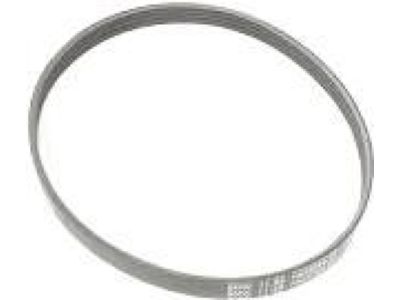
BMW Ribbed V-Belt
Part Number: 11287603084$15.81 MSRP: $24.04You Save: $8.23 (35%)Ships in 1 Business DayProduct Specifications- Other Name: Power Steering Belt, Serpentine Belt
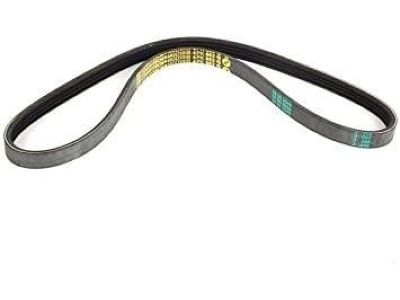
BMW Ribbed V-Belt
Part Number: 11287512762$26.17 MSRP: $35.82You Save: $9.65 (27%)Ships in 1-2 Business DaysProduct Specifications- Other Name: AC Belt, Serpentine Belt
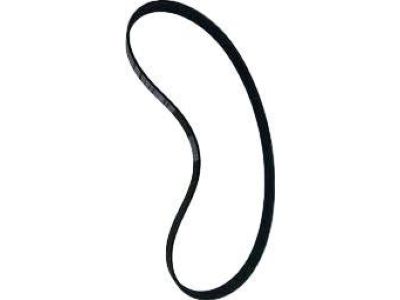
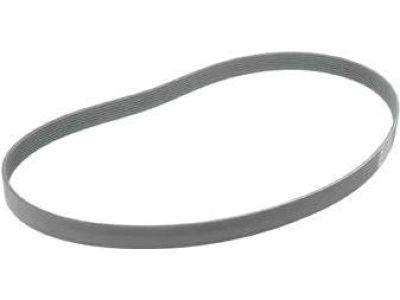
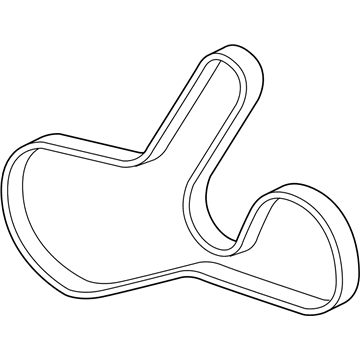
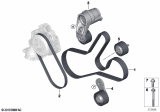
BMW Ribbed V-Belt
Part Number: 11287848605$49.79 MSRP: $75.70You Save: $25.91 (35%)Ships in 1-3 Business DaysProduct Specifications- Other Name: Belt, Serpentine Belt
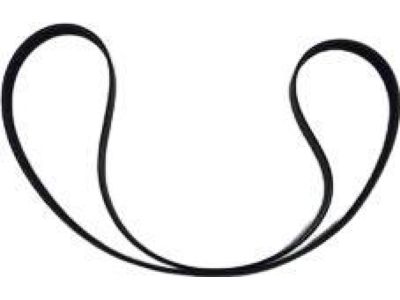
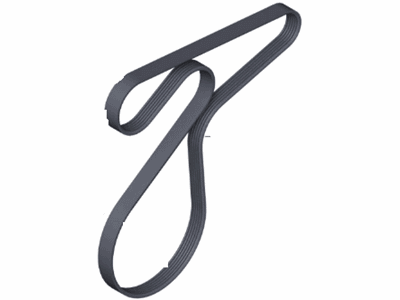
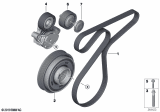
BMW Ribbed V-Belt
Part Number: 11288573253$33.19 MSRP: $50.46You Save: $17.27 (35%)Ships in 1-3 Business DaysProduct Specifications- Other Name: Serpentine Belt
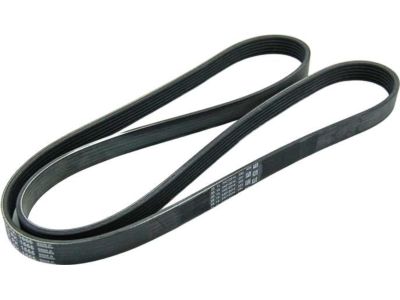
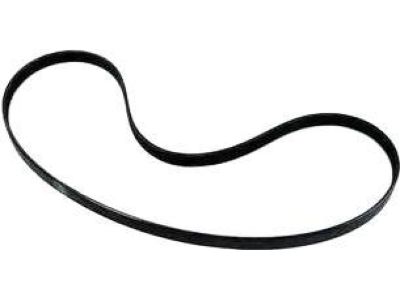
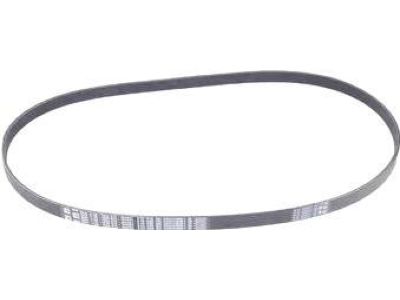
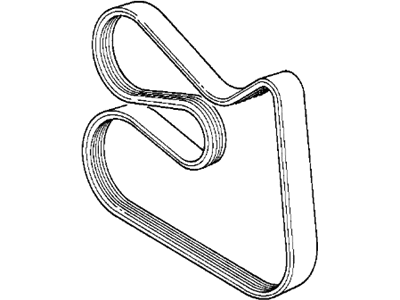
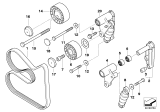
BMW Ribbed V-Belt
Part Number: 11287636378$50.50 MSRP: $69.10You Save: $18.60 (27%)Ships in 1-3 Business DaysProduct Specifications- Other Name: Alternator Belt, Drive Belt, Serpentine Belt
- Replaces: 11-28-1-437-929, 11-28-1-469-266, 11-28-1-703-561
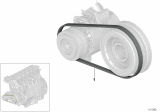
BMW Ribbed V-Belt
Part Number: 64557793608$23.74 MSRP: $36.09You Save: $12.35 (35%)Ships in 1-3 Business DaysProduct Specifications- Other Name: AC Belt, Serpentine Belt
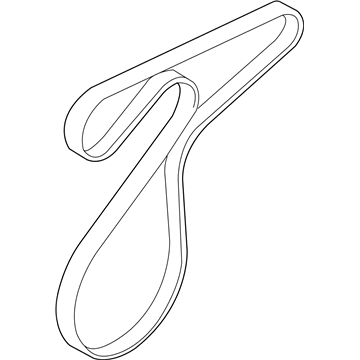
BMW Ribbed V-Belt
Part Number: 11287952902$21.56 MSRP: $32.78You Save: $11.22 (35%)Ships in 1-3 Business DaysProduct Specifications- Other Name: Serpentine Belt
- Replaced by: 11285B32CE4
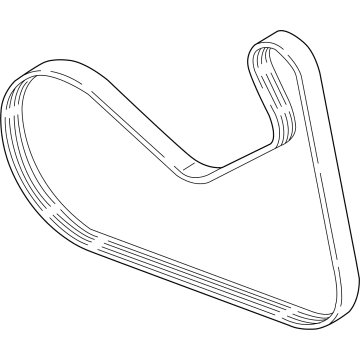
BMW Ribbed V-Belt
Part Number: 11289844643$21.56 MSRP: $32.78You Save: $11.22 (35%)Ships in 1-3 Business DaysProduct Specifications- Other Name: Serpentine Belt
| Page 1 of 9 |Next >
1-20 of 165 Results
BMW Drive Belt
As its name shows, drive belt drives some components in your engine, like water pump, power steering pump, alternator and air conditioner compressor. You may have one or two drive belt in your BMW car. Although it is made of a strong rubber, it still can be worn one day. Generally speaking, if you drive your BMW car more than three or five years, or 45,000 or 75,000 miles, then it is the chance for you to take care of your drive belt. A failing drive belt can cause an odd voice, like squeaking or chirping noises, further leading to a totally broken drive belt. It is so serious when you cannot drive your car with a worn drive belt since the steering will get very stiff and hard to operate. Check your drive belt and fix it before any trouble happens. All you need to do now is to pick one safe OEM drive belt with an affordable price.
BMW Drive Belt Parts Questions & Experts Answers
- Q:What is the importance of inspecting and maintaining the Drive Belt and pulleys on the BMW 335i?Posted by Reza H.A:The Drive Belt and pulleys transfer power from the engine crankshaft to the alternator, A/C compressor, and power steering pump, while both the engine coolant pump and engine cooling fan are electric. Inspect the belt with the engine off; if it shows signs of wear, cracking, glazing, or missing sections, replace it immediately. To minimize the risk of belt failure while driving, replace the belt every four years. When a new belt is installed, keep the old one in the trunk for emergencies. Excessive engine movement due to a defective left side engine mount can cause Drive Belt damage, often from contact between the power steering pump pulley and the front axle carrier. The belt may dislodge from pulleys or break when driving over curbs, speed bumps, or at high speeds, particularly in N54 turbo models. If any damage is found to the Drive Belt, power steering pump pulley, or front axle carrier, replace these components along with the left engine mount using updated parts. To prevent electrochemical corrosion to aluminum-magnesium alloy engine components, avoid using steel fasteners and opt for aluminum fasteners instead. Test fasteners for aluminum composition with a magnet for reliable identification, replace aluminum bolts each time they are loosened, and adhere to torque instructions, including angle of rotation specifications, when installing aluminum fasteners.Answered by BMW Parts Specialist Brandon / Sep 20, 2023
- Q:How to remove and reinstall the drive belt on the BMW X5?Posted by Daz P.A:Two belts are used to drive engine accessories, The larger belt is used for the A/C compressor while the thin belt is for the alternator, coolant pump and steering pump. In particular, when intending to reassemble the old belts, the direction of the rotation should be indicated. Here, one can make a use of BMW special tools: 11 5 050 and 11 5 040 with which the cooling fan and clutch should be loosened and removed from the coolant pump and writers noted that the 32 mm cooling fan nut has left-hand thread. Sometimes it may be required to take off the fan cowl on the radiator, if it gets in the way of the work. As for the puller, the instructions are as follows: Rotate the A/C belt tensioner in the indicated direction using a hex head or Torx socket; then, the belt can be slipped off the pulleys; examine it for cracks and the deposits of the coolant and oil if present and use a new one if any of those conditions is met. For reinstallation, turn the A/C belt tensioner anti-clockwise, put the belt over the pulleys, and then remove the tension from the tensioner. To release the belt, do as follows; the A/C compressor belt has to be detached first, then with regard to the drive belt tensioner cap, turned in the indicated direction, the belt isn't hard to remove, and before reinstalling, it needs to be checked for signs of wear and tear or any residual substance which might have accumulated on the belt and replacing it if necessary. During the reinstallation perform a check to make sure that the belt is placed correctly on the pulleys and if the old belt is being reused then ensure you refer to the marks that defined the direction of rotation.Answered by BMW Parts Specialist Brandon / Jul 27, 2023
Related BMW Parts
 BMW Timing Belt
 BMW Alternator
 BMW Rod Bearing
 BMW Piston Ring
 BMW Crankshaft Pulley
 BMW Timing Cover
 BMW Rocker Arm
 BMW Timing Chain Tensioner
 BMW Timing Chain Guide
 BMW Crankshaft Gear
Browse by Model
128i Drive Belt 135i Drive Belt 1602 Drive Belt 2002 Drive Belt 2002tii Drive Belt 228i Drive Belt 2500 Drive Belt 2800CS Drive Belt 318i Drive Belt 318is Drive Belt 318ti Drive Belt 320i Drive Belt 323Ci Drive Belt 323i Drive Belt 325Ci Drive Belt 325e Drive Belt 325i Drive Belt 325is Drive Belt 325ix Drive Belt 325xi Drive Belt 328Ci Drive Belt 328i Drive Belt 328i xDrive Drive Belt 328is Drive Belt 328xi Drive Belt 330Ci Drive Belt 330e Drive Belt 330i Drive Belt 330xi Drive Belt 335d Drive Belt 335i Drive Belt 335xi Drive Belt 340i Drive Belt 428i Drive Belt 430i Drive Belt 435i Drive Belt 440i Drive Belt 524td Drive Belt 525i Drive Belt 528e Drive Belt 528i Drive Belt 530i Drive Belt 533i Drive Belt 535d Drive Belt 535i Drive Belt 535i xDrive Drive Belt 540i Drive Belt 545i Drive Belt 550i Drive Belt 633CSi Drive Belt 635CSi Drive Belt 640i Drive Belt 645Ci Drive Belt 650i Drive Belt 733i Drive Belt 735i Drive Belt 735iL Drive Belt 740i Drive Belt 740iL Drive Belt 745i Drive Belt 745Li Drive Belt 750i Drive Belt 750iL Drive Belt 750Li Drive Belt 840Ci Drive Belt 850Ci Drive Belt 850CSi Drive Belt Alpina B7 Drive Belt Bavaria Drive Belt i8 Drive Belt M2 Drive Belt M235i Drive Belt M240i Drive Belt M3 Drive Belt M340i Drive Belt M4 Drive Belt M440i Drive Belt M5 Drive Belt M6 Drive Belt M8 Drive Belt X1 Drive Belt X2 Drive Belt X3 Drive Belt X4 Drive Belt X5 Drive Belt X5 M Drive Belt X6 Drive Belt X7 Drive Belt XM Drive Belt Z3 Drive Belt Z3 M Drive Belt Z4 Drive Belt Z8 Drive Belt
View More