×
- Hello
- Login or Register
- Quick Links
- Live Chat
- Track Order
- Parts Availability
- RMA
- Help Center
- Contact Us
- Shop for
- BMW Parts
- BMW Accessories

My Garage
My Account
Cart
Genuine BMW M3 Brake Disc
Disc Rotor- Select Vehicle by Model
- Select Vehicle by VIN
Select Vehicle by Model
orSeries
Model
Year
Select Vehicle by VIN
For the most accurate results, select vehicle by your VIN (Vehicle Identification Number).
33 Brake Discs found
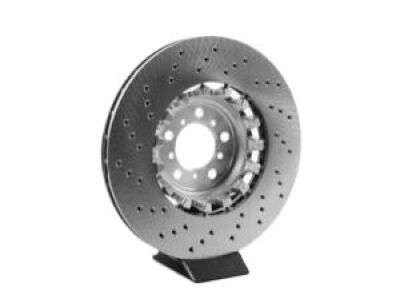
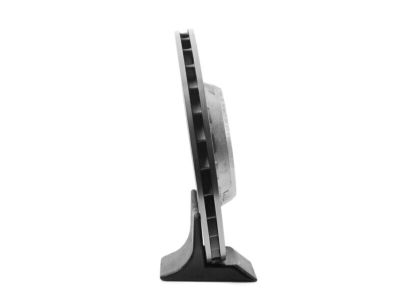
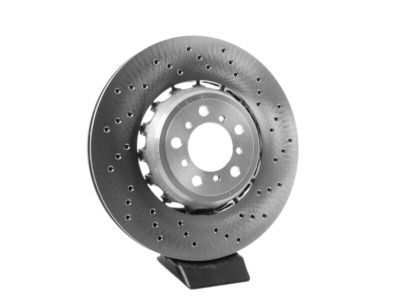
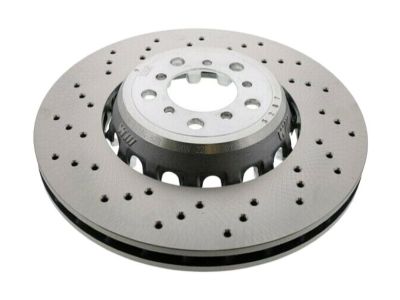
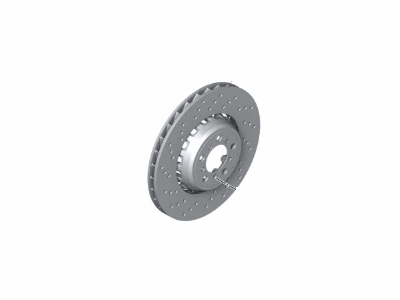
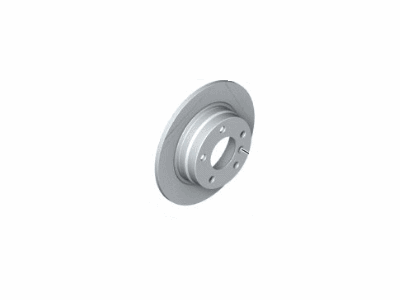
BMW M3 Brake Disc, Ventilated, Left
Part Number: 34112284809$295.80 MSRP: $468.98You Save: $173.18 (37%)Ships in 1-3 Business Days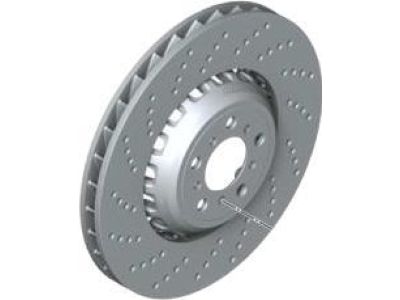
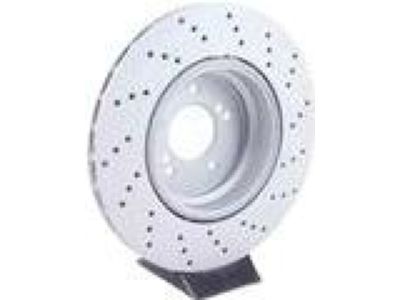
BMW M3 Brake Disc, Ventilated, Left
Part Number: 34212283803$266.15 MSRP: $421.98You Save: $155.83 (37%)Ships in 1-3 Business Days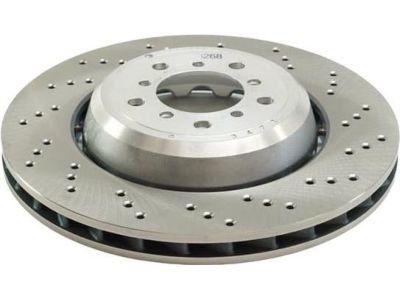
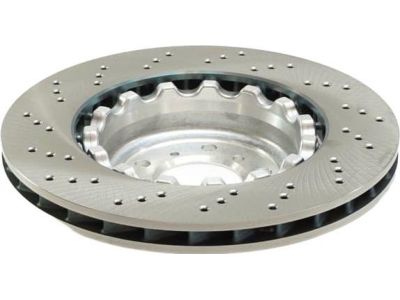
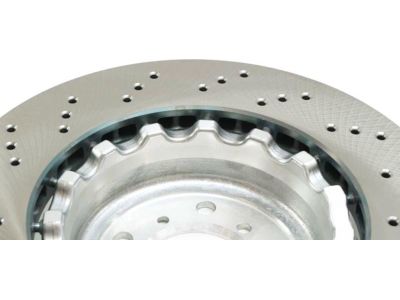
BMW M3 Brake Disc, Ventilated, Right
Part Number: 34112283802$332.69 MSRP: $527.48You Save: $194.79 (37%)Ships in 1-3 Business Days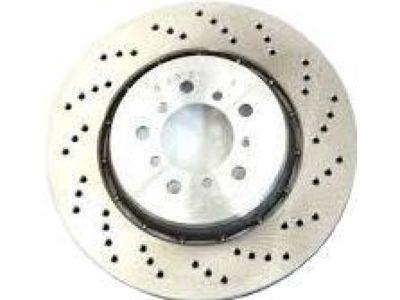
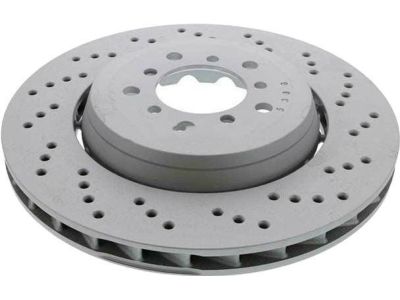
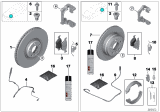
BMW M3 Brake Disc, Ventilated, Right
Part Number: 34112282446$511.67 MSRP: $724.36You Save: $212.69 (30%)Ships in 1-3 Business Days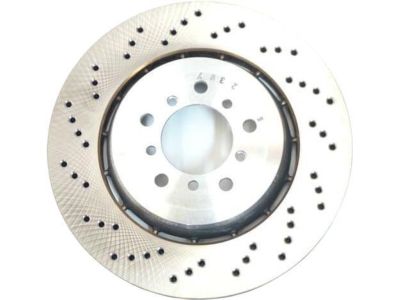
BMW M3 Brake Disc, Ventilated, Left
Part Number: 34112282445$511.67 MSRP: $724.36You Save: $212.69 (30%)Ships in 1-3 Business DaysBMW M3 Brake Disc, Ventilated, Left
Part Number: 34112283801$332.69 MSRP: $527.48You Save: $194.79 (37%)Ships in 1-3 Business DaysBMW M3 Brake Disc, Ventilated, Right
Part Number: 34212283804$266.15 MSRP: $421.98You Save: $155.83 (37%)Ships in 1-3 Business Days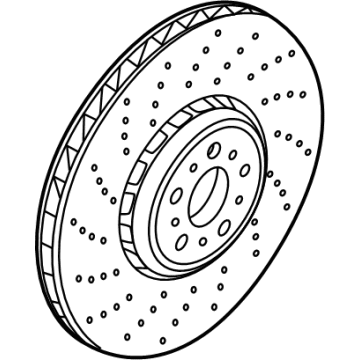
BMW M3 BRAKE DISC, VENTILATED, PERF
Part Number: 34108093717$4718.14 MSRP: $7545.17You Save: $2827.03 (38%)Ships in 1-3 Business Days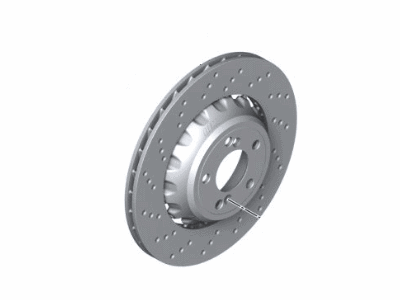
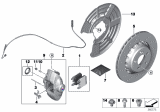
BMW M3 Brake Disc, Ventilated, Right
Part Number: 34212284812$310.19 MSRP: $491.80You Save: $181.61 (37%)Ships in 1-3 Business Days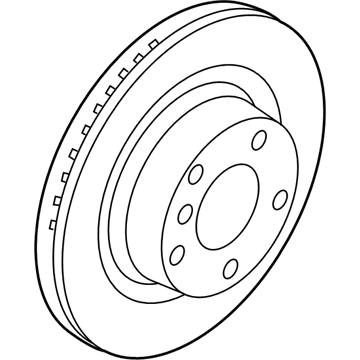
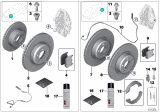
BMW M3 Carbon Ceramic Brake Disc, Right
Part Number: 34212284808$2859.35 MSRP: $4572.61You Save: $1713.26 (38%)Ships in 1-3 Business DaysBMW M3 Carbon Ceramic Brake Disc, Left
Part Number: 34212284807$2859.35 MSRP: $4572.61You Save: $1713.26 (38%)Ships in 1-3 Business Days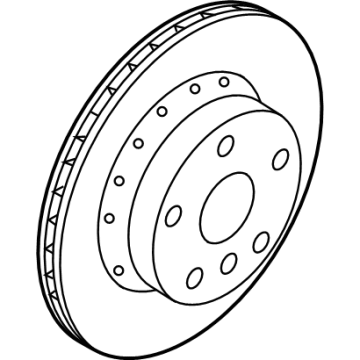
BMW M3 VENTILATED BRAKE DISK, PERFO
Part Number: 34207889664$325.70 MSRP: $516.39You Save: $190.69 (37%)Ships in 1-2 Business DaysBMW M3 Brake Disc, Ventilated, Left
Part Number: 34212282303$511.67 MSRP: $724.36You Save: $212.69 (30%)Ships in 1-3 Business DaysBMW M3 Brake Disc, Ventilated, Right
Part Number: 34112229530$310.12 MSRP: $435.26You Save: $125.14 (29%)Ships in 1-3 Business DaysBMW M3 Brake Disc, Ventilated, Left
Part Number: 34112229529$310.12 MSRP: $435.26You Save: $125.14 (29%)Ships in 1-3 Business Days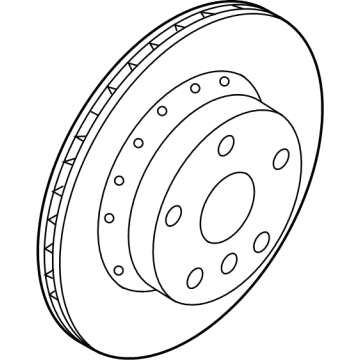
BMW M3 Ventilated Brake Disc
Part Number: 34208093740$3002.45 MSRP: $4801.46You Save: $1799.01 (38%)Ships in 1-3 Business DaysBMW M3 Ventilated Brake Disc
Part Number: 34208093739$3002.45 MSRP: $4801.46You Save: $1799.01 (38%)Ships in 1-3 Business Days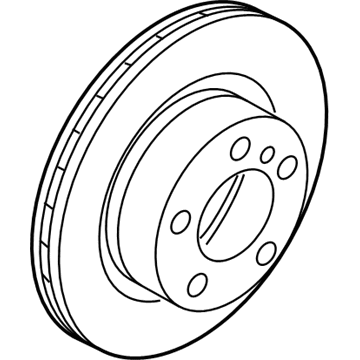
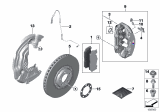
BMW M3 Carbon Ceramic Brake Disc, Right
Part Number: 34112284806$4493.27 MSRP: $7185.56You Save: $2692.29 (38%)Ships in 1-3 Business DaysBMW M3 Carbon Ceramic Brake Disc, Left
Part Number: 34112284805$4493.27 MSRP: $7185.56You Save: $2692.29 (38%)Ships in 1-3 Business DaysBMW M3 BRAKE DISC VENTILATED, PERFO
Part Number: 34108093718$4718.14 MSRP: $7545.17You Save: $2827.03 (38%)Ships in 1-3 Business Days
| Page 1 of 2 |Next >
1-20 of 33 Results
BMW M3 Brake Disc
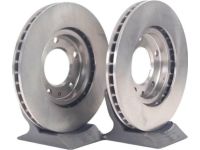
BMW M3 Brake Disc provides the friction to convert speed into heat, thereby providing confident, fade-free stops. Unlike the setups that were once applied on the drum of muscle cars, the disc applied on every BMW M3 since the nameplate began runs cooler as its friction surface sits in open air. Each Brake Disc has a vented rotor with fins to pump away heat, which prohibits fade during spirited driving on mountain roads. Optional drilled/slotted Brake Disc designs accelerate water and gas removal for a more constant pedal feel, but may wear pads quicker. Two-piece Brake Disc assemblies, matching an alloy bell with a cast iron ring, trim weight to make the nimble BMW M3 change direction faster. Whatever the style, the rear Brake Disc is identical to the front to maintain the balance that makes a BMW M3 stop straight every time and is self-adjusting and easy to inspect due to the exposed layout. They cool quickly, remain predictable during repeated hard stops, and require less labor during pad changes.
If you are looking for OEM BMW M3 Brake Disc, we highly recommend to shop with us. Not only do we offer budget friendly prices, but we also provide fast delivery. In addition, we have a hassle-free return policy on all genuine BMW M3 Brake Disc that come backed by the manufacturer's warranty.
BMW M3 Brake Disc Parts Questions & Experts Answers
- Q:Are the brake discs directional and do they differ from side to side on BMW M3?Posted by Jeanette A.A:The brake discs in M3 cars act in opposite directions and have different part numbers for left and right wheels, the left one ends with an odd number; the right one with an even number. Before working, block the front tires while you turn rear wheel bolts by 1.4 turns. Take off your rear wheels by lifting the rear of the car, and don't disconnect the fluid hose; keep the caliper assembly steady with mechanic's wire to prevent damage to the line. Take out both the Brake Caliper and its mounting bracket. Turn the 6mm hex socket tool (and some compression spray) until you free the unique fastener with its built-in notch. To free a stuck brake rotor, first loosen the retaining bolt just 3 turns. Spray oil around the rotor contact point with the hub, then thread in two wheel bolts about 10 turns each. Tap the stationary rotor firmly from its flat side to break it loose. When installing the rotor, make sure it's good condition, remove any protective coating, and continue installing. Wash both rotor and hub surfaces clean, spray on anti-seize grease, and install the rotor onto the hub using a 12 ft. pound (16 Newton-meter) torque. Tighten the parking brake until it holds, then put on the wheels and secure them with hand tightening on the lug bolts. Move the vehicle until tires touch the ground, and apply enough turning pressure to lug bolts using a cross-pattern for 66-81 ft. lbs. (90-110 Nm). To make sure your brakes stop you whenever you need them, do this: bring the car to a complete stop five times at 30 mph, wait for your brakes to cool, do it all over again for another 5 stops, then repeat if needed. You perform the same inspection steps to check the rear brake rotor as you do the front one.Answered by BMW Parts Specialist Brad / Feb 03, 2026
Related BMW M3 Parts
 BMW M3 Brake Booster
 BMW M3 Brake Line
 BMW M3 Brake Master Cylinder
 BMW M3 Speed Sensor
 BMW M3 ABS Control Module
 BMW M3 Parking Brake Cable
 BMW M3 Brake Caliper
 BMW M3 Parking Brake Shoe
 BMW M3 Brake Backing Plate
 BMW M3 Master Cylinder Repair Kit
Browse by Year
2025 Brake Disc 2024 Brake Disc 2023 Brake Disc 2022 Brake Disc 2021 Brake Disc 2018 Brake Disc 2017 Brake Disc 2016 Brake Disc 2015 Brake Disc 2013 Brake Disc 2012 Brake Disc 2011 Brake Disc 2010 Brake Disc 2009 Brake Disc 2008 Brake Disc 2006 Brake Disc 2005 Brake Disc 2004 Brake Disc 2003 Brake Disc 2002 Brake Disc 2001 Brake Disc 1999 Brake Disc 1998 Brake Disc 1997 Brake Disc 1996 Brake Disc 1995 Brake Disc 1991 Brake Disc 1990 Brake Disc 1989 Brake Disc 1988 Brake Disc